Mechanical Soul: Inside the Engineering of a Real-Life Wall-E
The Art of Animatronic Resurrection
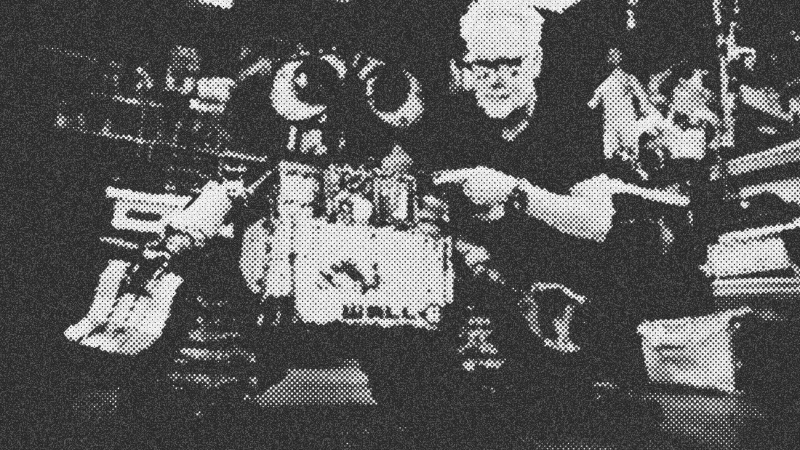
Building a robot from a beloved film isn't just about recreating a shape; it's about capturing a specific mechanical soul. Matt Hobbs has spent six years perfecting a 100% scale Wall-E that does more than just move—it emotes. This isn't a plastic toy or a hollow prop. It is a dense, high-performance machine weighing dozens of pounds, engineered to withstand the rigors of convention floors while maintaining the fragile charm of a lonely trash-compactor. The project represents a pinnacle of hobbyist engineering, where the line between amateur builder and professional industrial designer completely vanishes.
Advanced Actuation and Movement Systems
Unlike standard hobby robots that rely solely on small servos, this Wall-E utilizes heavy-duty linear actuators for its primary structural movements. Raising the arms and manipulating the neck requires significant torque to overcome the leverage of the long linkages. Hobbs moved away from traditional chain-driven neck mechanisms, which suffered from inherent slack or "slop" over time. By replacing these with rigid linkages, the team achieved a level of precision that allows for smooth, lifelike head tilts without the vibration that plagues lighter builds.
Even the eyes, the most critical part of the character's expression, feature internal movement. These small components must work in perfect synchronization to portray complex emotions like curiosity or sadness. The build uses high-end reef servos, often found in aircraft mechanics, capable of millions of cycles. This shift from thousand-cycle hobbyist parts to industrial-grade hardware ensures the robot doesn't just look the part for a few hours but survives years of active puppeteering.
The Kyber Control System and Software Logic
At the heart of the machine lies the Kyber control system, a custom-designed middleman between the operator's transmitter and the motor controllers. This system allows builders to define specific motion profiles—ramping the speed of a motor up and down to avoid the jerky, robotic starts common in cheap electronics. Through the Kyber interface, an operator can trigger pre-scripted sequences where sound and motion are perfectly synced. This creates a performance that feels organic rather than programmed.
Future iterations are looking toward Kinesisma software to introduce gyro-stabilization. By using a gyroscope to feel the robot's movement as it drives over uneven ground, the software can command the servos to counteract those vibrations in real-time. This "anti-vibration" logic ensures the head remains steady even while the track system is clattering over pavement, mimicking the high-end steady-cam logic used in professional filmmaking.
Materials and Fabrication at Scale
One of the most impressive feats is the aesthetic fidelity. To achieve the iconic weathered look, Hobbs didn't just use paint; he used a mixture of grouted sand and Elmer's glue underneath the finish to create a tactile, rusted texture. The structural parts are a mix of 3D printed aluminum and CNC-machined components. This was made possible by the rise of on-demand fabrication services like SendCutSend, which allow individual makers to order industrial-grade metal parts that would have been cost-prohibitive or impossible to manufacture in a home garage two decades ago.
The Community as a Research Lab
The Wall-E Builders Club functions as a decentralized R&D lab. Rather than hoarding designs, builders share instruction manuals and CAD files, iterating on each other's work to solve complex mechanical puzzles. This collaborative environment has turned a solitary hobby into a sophisticated engineering community, ensuring that as parts go out of production or technology improves, the character lives on through collective ingenuity.
- 3D printed aluminum
- 10%· products
- Adam Savage
- 10%· people
- David
- 10%· people
- Kinesisma
- 10%· products
- Kyber control system
- 10%· products
- Other topics
- 50%
Adam Savage Meets a Real-Life Wall-E Robot!
WatchAdam Savage’s Tested // 23:25

Adam Savage’s Tested is a content platform and community playground for makers and curious minds. On Tested.com, the highly- engaged Tested YouTube channel, and at conventions and events, dynamic makers share ideas and inspire each other to build their obsessions. Led by Adam Savage, the Tested team explores the intersection of science, popular culture, and emerging technology, showing how we are all makers. Adam also takes viewers behind the scenes of films, TV shows, theater, and museums, shining a spotlight on the craftspeople and artists who make the magic we all enjoy. Tested is also: Norman Chan, Joey Fameli, Josh Self, Kristen Lomasney and Thomas Crenshaw.