The Rhythmic Transformation: How a Stutter Became the Foundation of Stevie Soul's Beatboxing Artistry
The hum of anticipation filled the air, punctuated by the soft strains of introductory music as Stevie Soul stepped onto the stage. It was a moment of slight technical adjustment, a brief fumbling with the microphone, yet it only served to heighten the intrigue, inviting the audience to lean in closer to the narrative that was about to unfold.
Stevie Soul began by transporting everyone back to the high school auditorium, a place of origin for his remarkable journey. Growing up, a severe stutter had been a constant companion, a formidable barrier to simple communication. The frustration was palpable: attempting to pronounce a name as straightforward as his older brother, Billy, would often result in a series of stuck, fragmented sounds. This struggle, however, held an unexpected seed of creativity. Within those involuntary vocalizations, he began to notice "weird and funny sounds." Instead of succumbing to the impediment, he started to play with these sounds, arranging them into intricate beats and patterns. This intuitive process, he explained, became an unconventional tutor in sentence structure, a way to build language through rhythm. Discovering this internal cadence was a profound revelation, unlocking a unique channel for self-expression. If words proved elusive, music offered a boundless realm of creation. His middle school years were filled with the nascent joy of this discovery, tapping on desks, beatboxing, and providing a percussive foundation for his peers to sing and rap. He developed an obsession with replicating a myriad of instrumental sounds using only his voice, a testament to the raw potential of human vocal cords.
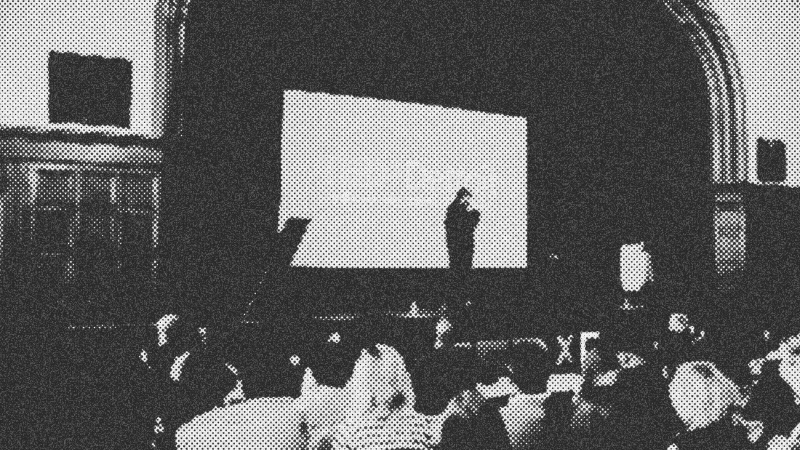
The pivotal moment arrived when Stevie Soul first experimented with plugging a microphone into a guitar loop pedal. This technological integration was a true 'light bulb' experience, transforming isolated beats into complex, layered soundscapes. It was then that the true scope of his art became clear: the ability to construct entire musical sets and songs spontaneously, anywhere, at any time. This adaptability, this profound freedom to embrace all musical possibilities in the moment, resonated deeply, especially in a world increasingly shaped by digital and artificial intelligence. It highlighted the enduring power of organic, human-driven creativity.
Reflecting on his journey, Stevie Soul openly shared that the stutter, while still a part of his life, no longer defines him. It became a catalyst, a paradoxical wellspring from which his true voice emerged. The arduous fight to articulate words ultimately led him to find expression in an entirely new, artistic dimension. Standing proudly on the TEDx stage, he declared himself an artist, asserting that it is his art, not his stutter, that truly encapsulates who he is. His words resonated deeply, earning enthusiastic applause.
As the talk concluded, Stevie Soul expressed gratitude to the city that fostered his confidence and to TEDx for the platform. Despite lingering sound challenges, he delivered a compelling, albeit brief, beatboxing performance, showcasing the very essence of his transformative journey. It was a powerful reminder that often, the very obstacles we face are not walls, but rather the raw material from which our most profound and unique gifts are sculpted. His story underscores a universal truth: within every struggle lies the potential for an extraordinary, resonant rhythm waiting to be discovered and shared.
- beatboxing
- 10%· concepts
- Billy
- 10%· people
- guitar loop pedal
- 10%· concepts
- high school auditorium
- 10%· locations
- internal rhythm
- 10%· concepts
- Other topics
- 50%
My Stutter Wasn’t a Wall—It Was a Drum Kit | Stevie Soul Ansara | TEDxDetroit
WatchTEDx Talks // 4:07

TEDx is an international community that organizes TED-style events anywhere and everywhere -- celebrating locally-driven ideas and elevating them to a global stage. TEDx events are produced independently of TED conferences, each event curates speakers on their own, but based on TED's format and rules. For more information on using TED for commercial purposes (e.g. employee learning, in a film or online course), please submit a Media Request here: https://media-requests.ted.com.