Beyond the Clock: Re-Architecting Time for a Purposeful Existence
The modern world presents us with a paradox: a yearning for deeper engagement juxtaposed against a relentless tide of distractions. Namrata Arora's discourse on time architecture invites us to reconsider our relationship with this fundamental aspect of existence, moving beyond mere management to intentional design.
The Illusion of Scarcity
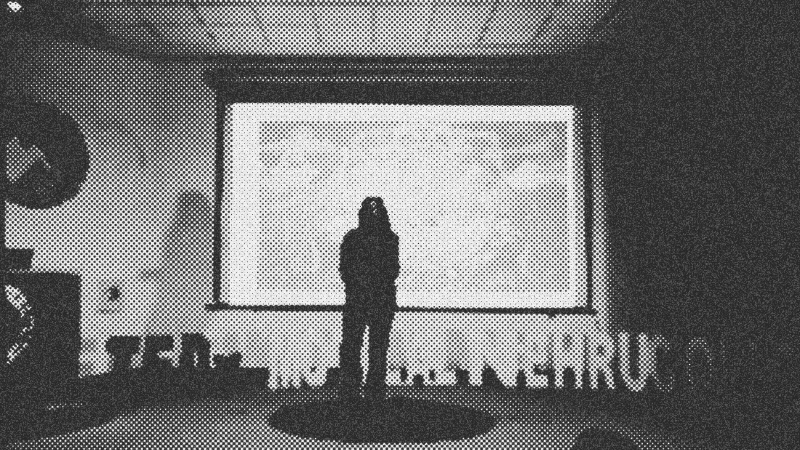
Arora paints a vivid picture of a childhood ritual, a weekly journey to an Indian grocery store in Paris, highlighting how time, imbued with anticipation and sensory richness, once deepened experiences. This contrasts sharply with today's fragmented attention spans, where streaming services and instant messaging vie for our focus, creating a sense of perpetual reaction rather than active engagement.
Kronos vs. Cyclical Time
The discourse brings to light the Western construct of linear time, or what Arora terms "Kronos anxiety," derived from the Greek god of time. This perspective casts time as a finite resource, a source of constant anxiety, a stark contrast to Eastern philosophies. Hinduism views time as cyclical, Buddhism emphasizes the present, and Chinese philosophy likens time to the natural seasons, each offering a more fluid, accepting perspective.
Designing Time with Intention
Arora advocates for a synthesis of these perspectives, urging us to design our time consciously. Inspired by the Harvard Business Review, Arora suggests shifting from a mindset of scarcity ("I have no time") to one of prioritization ("I will, but not now").
Practical Steps for Reclaiming Time
Arora suggests three actionable tools:
- Be Curious: Embracing lifelong learning expands our horizons and enriches our lives.
- Be Resilient: Viewing setbacks as learning opportunities fosters adaptability and growth.
- Trust Yourself: Cultivating self-assurance empowers us to navigate challenges and make confident decisions.
Embracing a Time-Conscious Identity
Time, Arora argues, is more than a measure of productivity; it is a marker of our identity. By consciously shaping our relationship with time, we actively define who we are, aligning our moments with our values and aspirations. Arora exemplifies this through her own multifaceted life, balancing professional endeavors, personal pursuits, and family life, demonstrating that intentional design can create a life that works for you.
Arora encourages a shift in perspective, urging us to replace the question of "How do I fit it all in?" with "How do I use this moment to prove who I am?" This subtle yet profound change reframes time from a constraint to an opportunity for self-expression and fulfillment.
- Buddhism
- 7%· concept
- Chinese philosophy
- 7%· concept
- Harvard Business Review
- 7%· organization
- Harvard Business School
- 7%· organization
- Hinduism
- 7%· concept
- Other topics
- 67%
Time Architecture: Stop Fighting Time & Start Designing It | Namrata Arora | TEDxMotilalNehruCollege
WatchTEDx Talks // 9:06

TEDx is an international community that organizes TED-style events anywhere and everywhere -- celebrating locally-driven ideas and elevating them to a global stage. TEDx events are produced independently of TED conferences, each event curates speakers on their own, but based on TED's format and rules. For more information on using TED for commercial purposes (e.g. employee learning, in a film or online course), please submit a Media Request here: https://media-requests.ted.com.