Culatra's Current: How Coastal Heritage Became a Beacon of Renewable Energy
The story of Culatra, as André Pacheco elucidates, is a compelling example of transformation. Once a marginalized fishing village off the coast of Portugal, it has risen to become a leading renewable energy community. This transition, driven by its residents, offers a model for sustainable development that is deeply rooted in local identity and resilience.
Rooted in the Rio Formosa
Culatra is situated in the Ria Formosa, a vital European wetland serving as a nursery for numerous marine species. For over two centuries, the community has depended on the sea's resources, a way of life intrinsically linked to their cultural heritage. André Pacheco frames the narrative by recalling the 1992 H Janeiro conference, the first international conference focused on sustainable development, noting that despite numerous frameworks and goals, many initiatives falter because they lack connection to 'real people, real families, real communities.'
A Community Under Threat
In 1987, the declaration of the area as a natural park threatened the very existence of Culatra. Residents faced eviction as their homes were deemed illegal. André Pacheco recounts how, rather than succumbing, the community united in protest, boycotting elections and engaging in acts of defiance, such as constructing an emergency helipad in a single day. This act of solidarity, where residents collectively claimed responsibility, underscores their unwavering commitment to their home.
Recognition and a New Path
Culatra's persistence eventually led to recognition. By 2018, the Portuguese government granted the community a special status, safeguarding their heritage. This unique designation prevents outsiders from purchasing land, while also ensuring that residents can only pass their property to descendants who continue to live off the sea. This is, as André Pacheco emphasizes, a fundamental pillar for their future sustainability.
Pioneering Clean Energy
Culatra's journey took a transformative turn when it was selected as one of six pilot projects in the European Commission's "Clean Energy for all European Islands" program. This initiative, André Pacheco explains, aimed to create a framework for decarbonizing the island and fostering sustainability through a participatory process. Despite initial financial constraints, the community collaborated with researchers, administrators, and companies to develop a roadmap for achieving energy autonomy by 2030.
Power to the People
To date, Culatra has secured €2 million in funding, resulting in the construction of five PV solar production units. These units now generate 30% of the community's energy needs during the day, with plans to reach 85% by 2027. A lithium battery system ensures the fishing activities and essential services operate seamlessly, even at night. Furthermore, as André Pacheco highlights, the community is exploring circular economy models, such as using fishing nets and oyster shells for 3D printing and construction materials.
Democratizing Energy
Smart meters and IoT sensors are being installed to create a digital twin, enabling efficient energy distribution and income generation for the cooperative. This innovative approach ensures that a portion of the energy revenue remains within the community, empowering them to invest in scholarships, infrastructure, and healthcare. André Pacheco concludes by emphasizing that this control over their energy system grants them power, a model that can be replicated in other regions, fostering opportunities and empowering communities to shape their own sustainable futures.
- Algard
- 6%· location
- André Pacheco
- 6%· person
- Atlantic coast
- 6%· location
- Bangladesh
- 6%· location
- Berea Iceland
- 6%· location
- Other topics
- 72%
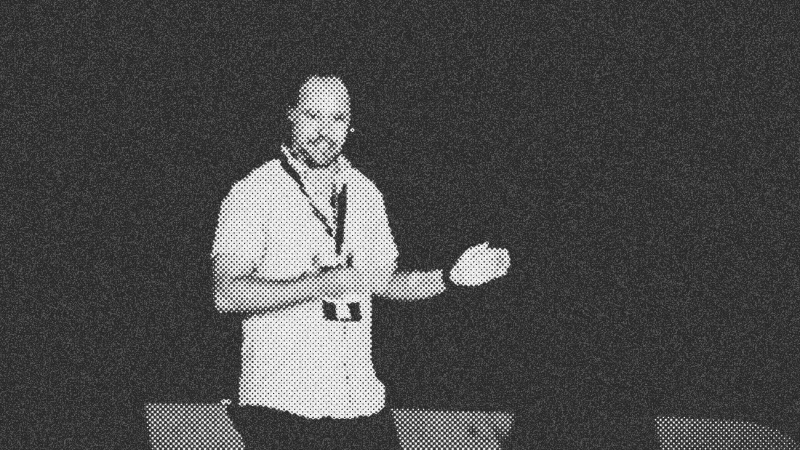
Culatra: From Fishing Village to Renewable Energy Community | André Pacheco | TEDxNoVA
WatchTEDx Talks // 12:11

TEDx is an international community that organizes TED-style events anywhere and everywhere -- celebrating locally-driven ideas and elevating them to a global stage. TEDx events are produced independently of TED conferences, each event curates speakers on their own, but based on TED's format and rules. For more information on using TED for commercial purposes (e.g. employee learning, in a film or online course), please submit a Media Request here: https://media-requests.ted.com.