Unlocking Your Potential: How Visual Identity Drives Personal Transformation
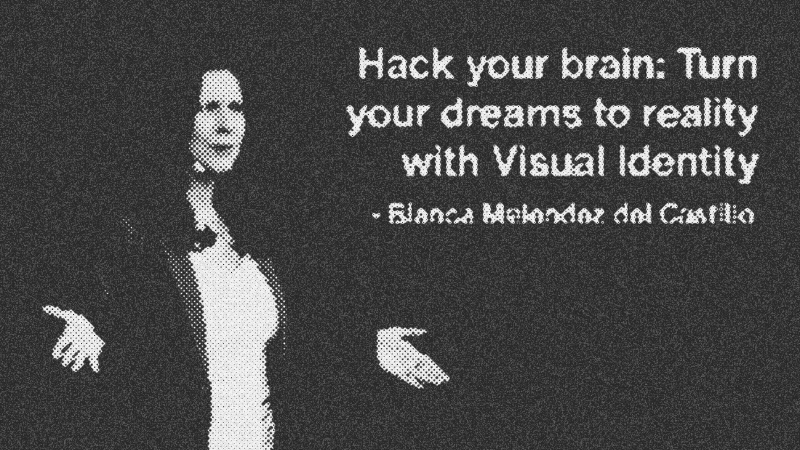
At a TEDxNuremberg talk, Blanca Meléndez del Castillo shares a compelling narrative about the power of visual identity in achieving personal and professional goals. Drawing from personal experiences and professional insights as a personal brand strategist, she articulates how individuals can strategically leverage visual cues to align their present actions with their future aspirations.
The Drummer Girl and the Shy Child
Blanca opens with an anecdote about her mother, a young girl from a low-income family in Costa Rica, who despite never having played drums, seized the opportunity to perform in a parade celebrating the country's independence. This story underscores the idea that taking chances, even when seemingly unprepared, can lead to remarkable achievements. Blanca contrasts this with her own childhood shyness, highlighting the common difficulty many people face in putting themselves forward.
Dreams and the Harsh Reality
She delves into the discouraging statistics surrounding the pursuit of dreams, noting that a significant percentage of people abandon their goals within the first two years. Blanca emphasizes that many of these dreams involve making a positive impact on the world, such as empowering women, improving corporate environments, fostering better communication, or creating safe spaces for men's mental health. The core question she poses is: Why do so many fail to realize their dreams?
The Psychology of Identity and the Power of Visualization
To address this question, Blanca introduces two key concepts. Drawing from the work of psychologist Carl Rogers, she explains the distinction between our current self-image and our future self—the person we aspire to become. She argues that many people fail because their actions are rooted in their current identity, which may not align with their future goals. She also discusses the importance of visualization, noting that humans are highly visual beings, with a significant portion of the brain dedicated to processing visual information.
However, Blanca raises concerns about traditional visualization techniques. She points out the challenges of maintaining focus in a world of constant distractions and suggests that people often don't see themselves enough while performing the actions that lead to success. We miss seeing ourselves in moments of triumph, such as negotiating a crucial contract or coaching someone towards a breakthrough.
A Personal Transformation: From Hating Sports to Hiking Mountains
Blanca shares her personal journey of transformation, recounting how she transitioned from someone who disliked sports to an avid hiker. This change began when she moved to Denver, Colorado, and received a camera as a birthday gift. Photography led her to explore nature, gradually increasing the intensity of her outdoor activities. By documenting her experiences through photos and sharing them with others, she began to internalize a new identity as someone capable and adventurous. This realization sparked the central idea of her talk: using visual identity to drive personal change.
Creating a Visual Identity for Your Future Self
Blanca outlines a method for leveraging visual identity to achieve ambitious goals. The key steps include:
- Having a clear vision of your desired future
- Understanding the identity of someone who could achieve that vision
- Creating visuals (photos, videos, graphics) that embody the qualities of that identity
- Integrating these visuals into your daily environment
By consistently exposing yourself to images that reflect your future self, you begin to believe in your potential and take actions aligned with your goals. Blanca underscores that this approach is not about faking it, but about authentically becoming the person you aspire to be.
The Impact of Visual Identity
Blanca shares that her favorite moment in working with clients is when they first see their visual identity, a moment that often brings a smile and a sense of empowerment. She states that this is when real change begins to happen.
She concludes by urging the audience to consider whether their current visual identity supports their dreams. If not, she suggests taking proactive steps to create a visual identity that reflects their future aspirations.
In essence, Blanca Meléndez del Castillo advocates for a strategic and visually driven approach to personal development. By intentionally crafting and curating a visual identity that embodies our aspirational selves, we can overcome limiting beliefs, align our actions with our goals, and ultimately transform our lives.
- Blanca Meléndez del Castillo
- 13%· person
- Canon EOS Rebel
- 13%· product
- Carl Rogers
- 13%· person
- Costa Rica
- 13%· location
- Denver, Colorado
- 13%· location
- Other topics
- 38%
Driving change through visual identity | Blanca Mélendez del Castillo | TEDxNuremberg
WatchTEDx Talks // 16:53

TEDx is an international community that organizes TED-style events anywhere and everywhere -- celebrating locally-driven ideas and elevating them to a global stage. TEDx events are produced independently of TED conferences, each event curates speakers on their own, but based on TED's format and rules. For more information on using TED for commercial purposes (e.g. employee learning, in a film or online course), please submit a Media Request here: https://media-requests.ted.com.