Mirror, Mirror: Reflecting on Society's Distorted Image and Finding Your True Self
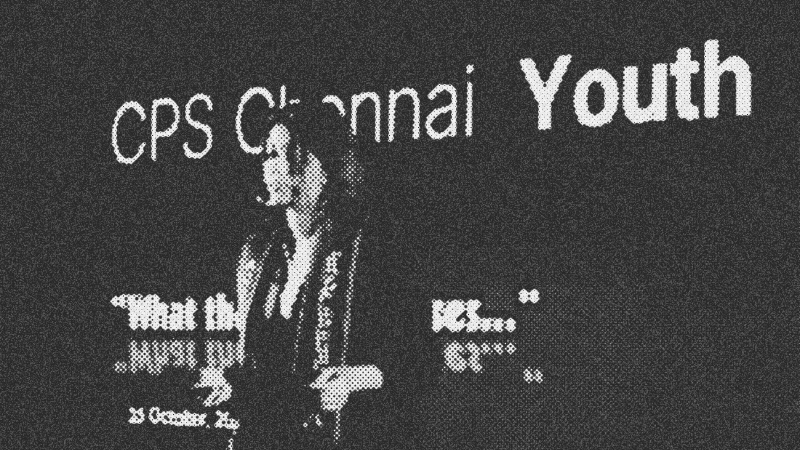
Aditte Kinger, during a TEDxCPS Chennai Youth event, explores the profound impact of societal expectations on our self-perception, coining the term social mirror to describe how we internalize external viewpoints. Let's unpack this concept and explore how to break free from its distorting effects.
The Allure and Illusion of Gossip
Aditte jokingly admits to finding gossip a compelling social lubricant, even calling it the fuel that drives our sleepovers. She connects this to a broader fascination with history, where narratives of rise and fall, betrayal, and revolution captivate us. But beyond the entertainment value, Aditte suggests that both gossip and history reveal something deeper: our tendency to project our own interpretations onto the stories of others.
The Social Mirror: A Distorted Reflection
Imagine a carnival's memory maze, filled with glowing orbs representing moments from your life, as Aditte describes. This culminates in a hall of mirrors, each reflecting a different version of you through the eyes of others—parents, friends, strangers. Some reflections are flattering, others painfully distorted, and some utterly unrecognizable. This, she argues, is the social mirror: an endless loop between who you are and who you think you appear to be, shaped by society's perceptions and your own interpretation of those perceptions.
The Performer's Trap
Aditte warns that the social mirror can turn us into performative liars, constantly striving to be seen and validated. We become puppets, giving until our strings are cut, deemed unworthy of reflection. This performance manifests in subtle ways: choosing clothes to appear appealing, tilting our heads for flattering photos, or rehearsing the perfect laugh.
Psychologist Charles Cooley's "looking-glass self" theory supports this idea, suggesting that our identity arises not just from who we are, but from how others perceive us and our opinions on those perceptions.
Breaking Free: Directing Your Own Reflection
The key, Aditte suggests, lies in recognizing that these mirrors are not objective truths but rather comply with what we've been taught to see. She recalls a personal experience of writer's block, where she became so consumed with external expectations that she lost sight of her own voice. Inspired by the event's theme, she realized that generations have faced similar struggles with societal standards.
Instead of passively accepting these reflections, Aditte urges us to become directors of our own stories. She encourages us to "ghost" these reflections and question who gets to define us.
Practical Steps to Reclaim Your Image
- Challenge the reflections: Recognize that the images reflected back at you are filtered through others' perceptions, biases, and experiences. These are not objective truths, but subjective interpretations.
- Cultivate self-awareness: Spend time understanding your own values, beliefs, and desires, independently of external validation. What truly matters to you?
- Set boundaries: Consciously decide which opinions and expectations you will internalize and which you will discard. It's okay to selectively engage with feedback.
- Embrace imperfection: Resist the urge to constantly polish your image. Authenticity and vulnerability are often more compelling than a flawless facade.
- Redefine success: Shift your focus from external achievements to internal growth and fulfillment. Celebrate your progress and resilience.
Embrace Your Role as the Director
Aditte leaves us with a powerful message: gossip, often seen as a sin, is simply a human way of understanding stories and their influence. The greatest act of rebellion is to see ourselves not as performers or critics, but as directors, reflecting our own stories. So, the next time you find yourself trapped between these mirrors, ask yourself: Who really gets to define you? If the answer isn't you, that is where your real revolution begins.
- Aditte Kinger
- 13%· person
- CBSE English Board Examination
- 13%· event
- Charles Koolie
- 13%· person
- looking-glass self theory
- 13%· theory
- TEDxCPS Chennai Youth
- 13%· event
- Other topics
- 38%
Reflections and Revolutions | Aditte Kinger | TEDxCPS Chennai Youth
WatchTEDx Talks // 14:02

TEDx is an international community that organizes TED-style events anywhere and everywhere -- celebrating locally-driven ideas and elevating them to a global stage. TEDx events are produced independently of TED conferences, each event curates speakers on their own, but based on TED's format and rules. For more information on using TED for commercial purposes (e.g. employee learning, in a film or online course), please submit a Media Request here: https://media-requests.ted.com.