The Predictive Brain: Unraveling Illusions Through Ancient Wisdom and Modern Science
The human mind, a labyrinth of narratives and interpretations, shapes our perception of reality in profound ways. Dr. Virinchi Sharma elucidates this intricate process, drawing parallels between ancient Indian philosophy and modern neuroscience to reveal how our brains construct the world we experience.
Maya and Illusion: A Tale of Two Realities
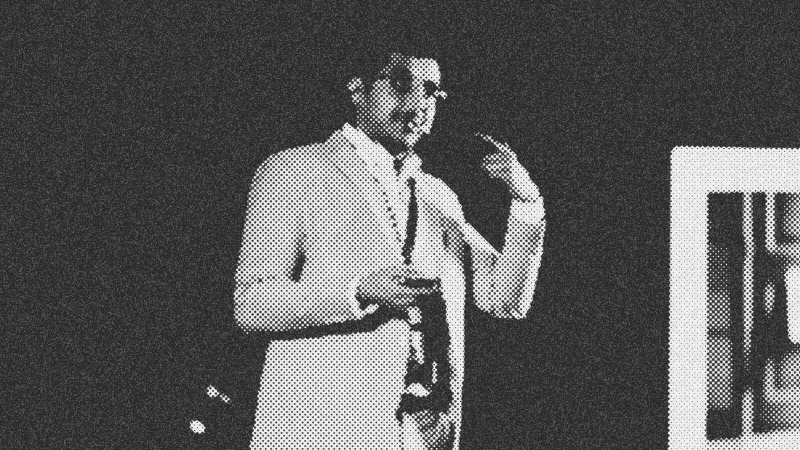
Dr. Sharma begins with a compelling story: a lone traveler mistakes a harmless rope for a dangerous snake. This simple yet powerful illustration introduces the concept of Maya from ancient Indian philosophy, which posits that our brains never experience reality directly. Instead, we perceive the world through the lens of our minds, a notion echoed in modern science by the term 'illusion,' defined as a false perception of reality. The common thread, as Dr. Sharma notes, lies in the narratives our brains create, constantly striving to convince us of their veracity.
The Neuroscience of Perception: A Prediction Machine
Neuroscience reveals that perception is not a passive reception of sensory data but an active construction. Our sense organs transmit signals to the brain, which then acts as a prediction machine, attempting to guess what is happening outside. This process, described as 'top-down' or 'bottom-up,' involves the brain drawing upon past experiences and memories to interpret incomplete sensory information. While this predictive ability is crucial for navigating daily life, it can also lead to errors, as seen in the case of the traveler and the rope.
Consider how easily we decipher jumbled words or recognize faces obscured by masks. These everyday feats demonstrate the brain's remarkable ability to fill in the gaps, creating meaning from incomplete data. Yet, this same predictive mechanism can also lead to anxiety disorders, fixed negative self-beliefs, and illusions of control.
When Prediction Refuses Correction: The Perils of a Rigidity
Dr. Sharma cautions that problems arise when the brain's predictions become rigid, refusing to be corrected by new information. He illustrates this with the example of a patient convinced of having a brain tumor despite medical evidence to the contrary. Similarly, fixed illusions, such as feeling worthless after a failure, can persist even in the face of positive experiences. Such rigid predictions are at the heart of many mental health issues, including anxieties, depressions, and phobias.
Psychotherapy and the Bhagavad Gita: Pathways to Flexibility
To counter these faulty predictions, Dr. Sharma proposes strategies rooted in both psychotherapy and the wisdom of the Bhagavad Gita. One key concept is 'Sakshi Bhava,' or becoming the witness. By observing our thoughts without immediately believing them, we can create space for uncertainty and challenge the brain's narratives. This involves asking reality questions and considering alternative explanations.
Another concept, 'Ahankara,' encourages us to disidentify from the 'I' story, recognizing that feelings of failure or worthlessness are not permanent states but rather transient thoughts. By naming these thoughts and observing them as passing phenomena, we can distance ourselves from their emotional impact. Additional techniques such as journaling helps reveal the patterns and origins of troubling thoughts.
Furthermore, Dr Sharma references 'Karma Yoga', which emphasizes detaching from outcomes and focusing on the intrinsic value of actions. Similarly, practices like mindfulness and meditation cultivate emotional equanimity, allowing us to regulate our responses to life's inevitable ups and downs. Finally, the principle of 'Abhyasa' underscores that overcoming illusions requires consistent practice, gradually rewiring the brain through neuroplasticity.
Conclusion: Freedom from Illusion
In essence, Dr. Sharma's synthesis of ancient wisdom and modern science offers a profound insight: while we cannot stop the brain from creating illusions, we can learn to stop being fooled by them. This ability, cultivated through awareness, practice, and a willingness to challenge our own narratives, is the key to unlocking greater mental clarity, emotional resilience, and freedom from destructive inner voices.
- Abhyasa
- 7%· concept
- Ahankara
- 7%· concept
- anxiety disorders
- 7%· illness
- Bhagavad Gita
- 7%· book
- depressions
- 7%· illness
- Other topics
- 64%
The Minds Greatest Trick - Illusions | Virinchi Sharma | TEDxSilver Oaks Intl School Bachupally
WatchTEDx Talks // 17:22

TEDx is an international community that organizes TED-style events anywhere and everywhere -- celebrating locally-driven ideas and elevating them to a global stage. TEDx events are produced independently of TED conferences, each event curates speakers on their own, but based on TED's format and rules. For more information on using TED for commercial purposes (e.g. employee learning, in a film or online course), please submit a Media Request here: https://media-requests.ted.com.