Bridging the Gap: Medical Students, Incarceration, and the Essence of Healing
Imagine stepping into a world far removed from the sterile halls of medical academia – a county jail. For medical students Jack Armstrong Bookbinder and Anthony James Pamatmat, this became a stark reality, a world teeming with systemic injustices and a population in dire need of compassionate care. It's a far cry from the privilege of their small-town upbringings, a place where the rules aren't just suggestions, but stringent guidelines designed to maintain order and safety. Simple items like necklaces and hoodies become 'strangulation hazards;' pens are scrutinized for potential weaponizable components. Each piece of paper is meticulously accounted for, a stark reminder of the ever-present security measures. The very air feels heavy, almost suffocating, as one navigates the dimly lit hallways, guided by unseen eyes monitoring every move. This is the backdrop against which their medical education would be profoundly transformed.
The Weight of Knowledge, the Frustration of Inaction
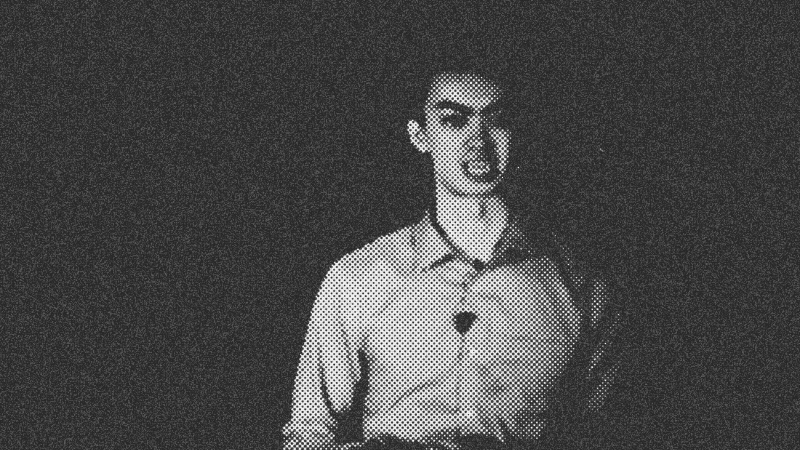
In the crucible of first-year medical school, students are inundated with a torrent of information – the intricacies of cranial nerves, the labyrinthine branches of the carotid artery, the complex cascade of blood clotting. It's an intellectual feast, yet, as Jack Armstrong Bookbinder notes, one quickly realizes they are 'impressively useless' in the real world of medicine. The ability to apply this knowledge, to truly care for patients, seems frustratingly out of reach. This disconnect between theory and practice can leave students feeling ungrounded, detached from the very essence that drew them to medicine: the patient. A bioethics course focusing on incarceration health illuminated a disturbing reality: incarcerated individuals face staggeringly high rates of diseases, and the United States, while comprising only 5% of the world's population, accounts for approximately 20% of its incarcerated population. Further compounding the injustice, Anthony James Pamatmat notes that the majority of those in jail, around 70%, are not even legally guilty, often held simply because they cannot afford bail. This ignited a fire within them, a burning desire to address these systemic injustices.
A Glimmer of Hope: Health Education Behind Bars
Driven by this newfound awareness, Jack Armstrong Bookbinder and Anthony James Pamatmat joined a medical student interest group that ventured into the jail weekly. Their mission wasn't to provide medical advice – an impossibility given their student status – but rather to offer basic health education. Discussions ranged from the dangers of smoking to the fundamentals of blood pressure. While seemingly simple, these conversations provided a vital lifeline to a population often neglected by the healthcare system. However, their initial satisfaction soon gave way to a deeper understanding of the challenges faced by incarcerated individuals. They encountered a man with a neurological disorder requiring regular injections, whose condition deteriorated due to missed healthcare appointments caused by security lockdowns and transportation issues. The statistics are grim: approximately 68% of healthcare appointments are missed in jails across the country. Jack Armstrong Bookbinder recounts witnessing this preventable decline firsthand, the man's frustration and fear mirroring their own sense of powerlessness. This was just one example among many – worsening eyesight due to lack of glaucoma medication, fainting episodes from untreated low blood sugar, and the exacerbation of mental health conditions due to interrupted medication regimens.
The Cliff's Edge: Re-entry and the Crisis of Care
Simultaneously, Jack Armstrong Bookbinder and Anthony James Pamatmat became acutely aware of the systemic failures awaiting individuals upon release. Even in Rochester, a city with a seemingly robust medical system, securing a primary care physician can take upwards of a year. Imagine, then, the plight of someone released from incarceration, burdened with finding housing, employment, and sustenance. Healthcare often takes a backseat, complex medical needs overshadowed by immediate survival. Compounding this is a deep-seated distrust of the medical system, fueled by experiences of overcrowded emergency rooms, dismissals, and inadequate care within correctional facilities. As Anthony James Pamatmat emphasizes, doctors can be perceived as extensions of the very system that incarcerated them. The data paints a harrowing picture: the two weeks post-incarceration see a twelve-fold increase in mortality rates compared to the general population. Talking, they realized, was not enough; they had to act.
Building a Bridge: A Student-Run Free Clinic
Fueled by this sense of urgency, Jack Armstrong Bookbinder and Anthony James Pamatmat sought to 'build a bridge' over this precipice. Collaborating with fellow medical students and mentors, they conceived the audacious idea of a student-run free clinic specifically for individuals re-entering society after incarceration. Despite lacking funds, power, and authority, they channeled their frustration into a proposal, pitching it to faculty, deans, and anyone willing to listen. They found allies in community doctors already engaged in this work, who agreed to supervise them pro bono. A local re-entry organization donated office space and staff, and a small grant provided the necessary supplies. The model was deceptively simple: connect with individuals inside the jail during health education talks, build trust, and offer a lifeline upon release. "When you get out, we'll be there. Here's our address. Please come see us." And remarkably, they did. Weeks or months later, individuals would walk into the clinic, greeted by familiar faces – a 'warm handoff,' as they termed it. The first visit involved listening to their stories, conducting basic health exams, and scheduling appointments with a primary care physician within two weeks. This approach, inspired by similar clinics, pairs early connection to primary care with access to vital services like housing, food, and employment assistance. The results are compelling: a potential 50% decrease in emergency department use and a reduction in the risk of re-incarceration for technical violations.
The Unexpected Lesson: The Patient as Teacher
While the primary mission was to serve patients, Jack Armstrong Bookbinder and Anthony James Pamatmat discovered an unexpected outcome: the clinic became a profound educational experience. The patients, they realized, were their greatest teachers. They learned the art of truly listening, not just waiting to diagnose, but striving to understand the individual. They learned to witness, rather than fix, and to question their own preconceived judgments. They recognized the inherent biases in medical chart reviews, where terms like 'substance abuse' or 'incarcerated' can taint expectations. As Anthony James Pamatmat stated, the chart can never fully capture the person behind it, the social realities and pressures they face daily. They embraced trauma-informed care, not as a theoretical concept, but as a fundamental necessity. Simple considerations, such as being mindful of one's position in the exam room and avoiding blocking the exit, became crucial in fostering a sense of safety and trust. These lessons, they realized, transcended this specific patient population, making them better doctors for everyone – the anxious patient fearing entrapment, the elderly patient yearning to be seen as a person.
A Call to Action: Beyond Charity, Towards Humanity
Jack Armstrong Bookbinder and Anthony James Pamatmat's essential message is clear: caring for society's forgotten is not merely charity; it's the most essential education a healer can receive. They urge us to identify the gaps in our healthcare system, to seek out the unseen and ignored in our communities, and to lend them our voices. They challenge us to act now, regardless of our expertise or permission, emphasizing that our presence and willingness to listen can be transformative. Finally, they encourage us to embrace intimidation, to walk through those heavy metal doors, because in doing so, we emerge as better healers, grounded in the profound understanding that the foundation of medicine lies in seeing and honoring the humanity before us.
- Anthony James Pamatmat
- 6%· person
- anxiety
- 6%· medical
- Cazenovia, New York
- 6%· location
- Cornell University
- 6%· organization
- depression
- 6%· medical
- Other topics
- 71%
Listening teaches medicine | Jack Armstrong Bookbinder & Anthony James Pamatmat | TEDxRochester
WatchTEDx Talks // 15:23

TEDx is an international community that organizes TED-style events anywhere and everywhere -- celebrating locally-driven ideas and elevating them to a global stage. TEDx events are produced independently of TED conferences, each event curates speakers on their own, but based on TED's format and rules. For more information on using TED for commercial purposes (e.g. employee learning, in a film or online course), please submit a Media Request here: https://media-requests.ted.com.