Embracing Imperfection: Finding Wholeness Through the Art of Kintsugi
In a reflective exploration, Michael Krasner, MD, shares a profound perspective on wholeness, drawing inspiration from the Japanese art of Kintsugi. This art form repairs broken pottery with lacquer mixed with powdered gold, silver, or platinum, not only restoring the object but also illuminating its cracks as integral parts of its history. Let's explore this concept further, viewing our own lives through the lens of Kintsugi, acknowledging that our imperfections and experiences of brokenness are what make us complete and beautiful.
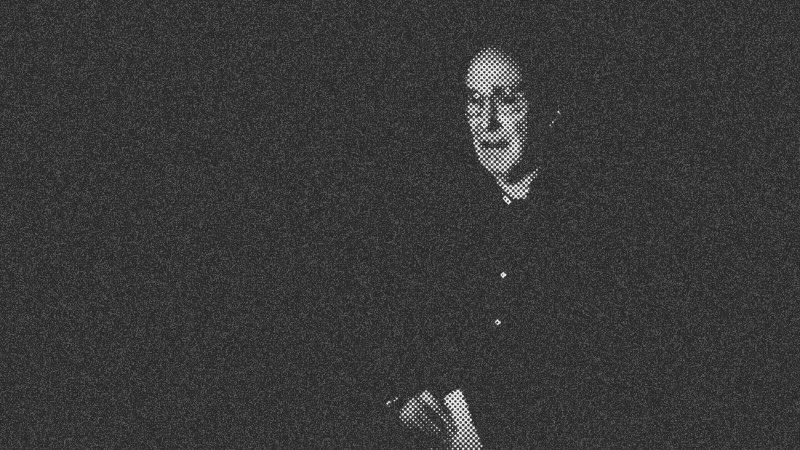
Seeing Beauty in the Breaks
Dr. Krasner introduces Kintsugi as more than just a repair technique; it's a philosophy. He emphasizes that instead of viewing brokenness as a flaw, Kintsugi celebrates the cracks, accentuating them as a primary feature of the pottery. As he says, "It treats the breaks in it as actually part of the history of the object. And the object remains functional, usable...The cracks aren't hidden. Uh they're illuminated...they're actually accentuated." This invites us to consider: What if everything that has ever gone wrong, everything broken and damaged, is actually what makes you whole?
Beyond Fixing: The Essence of Healing
Drawing from decades of medical experience, Dr. Krasner contrasts the act of fixing with the process of healing. Fixing, he notes, implies returning something to its original state, while healing involves accepting and integrating brokenness into our being. He quotes one of his teachers who defines healing as "a coming to terms with things as they are," a sentiment that resonates deeply with the philosophy of Kintsugi.
The Mosaic of Life: Finding Wholeness in Fragments
Dr. Krasner openly shares personal experiences of brokenness, including divorce and loss, illustrating how these fractures have shaped his understanding of wholeness. He recalls a particularly dark period, likening himself to Dante exiled from Florence, but notes, "the darkness became like a teacher to me...there's something to see here if you would only stop trying to fix everything." It's in these moments of vulnerability that we often discover our greatest strengths and insights.
Seeing with New Eyes
He encourages a radical shift in perspective, urging us to see beauty in our cracks and imperfections. Referencing artists, philosophers, and even the lineage of healers like Chiron, he highlights the universal theme that healing comes through wounds. This perspective allows us to recognize the inherent wholeness in ourselves and others, even in the face of chronic illness, loss or irreparable damage.
Embrace Your Living Artwork
Instead of striving for an unattainable ideal of flawlessness, what if we embraced our lives as unfolding, living artworks, like pieces of Kintsugi pottery? This mindset invites us to view ourselves and others with compassion, recognizing that our imperfections are not deficiencies but rather unique threads in the rich tapestry of our lives. By coming to terms with things as they are, we open ourselves to true healing and a deeper appreciation for the beauty of wholeness.
- Chiron
- 13%· person
- Dante
- 13%· person
- Eskeipius
- 13%· person
- Florentine
- 13%· other
- Homo sapiens
- 13%· other
- Other topics
- 38%
You're not broken | Michael Krasner, MD | TEDxRochester
WatchTEDx Talks // 13:36

TEDx is an international community that organizes TED-style events anywhere and everywhere -- celebrating locally-driven ideas and elevating them to a global stage. TEDx events are produced independently of TED conferences, each event curates speakers on their own, but based on TED's format and rules. For more information on using TED for commercial purposes (e.g. employee learning, in a film or online course), please submit a Media Request here: https://media-requests.ted.com.