Unveiling Invisible Wounds: A Doctor's Journey to Trauma-Informed Healing
In a deeply moving TEDx talk, Dr. Susanna Petche sheds light on the pervasive yet often misunderstood impact of trauma. Drawing from personal experiences and clinical expertise, she challenges conventional views on trauma, emphasizing its far-reaching effects on our mental, physical, and societal well-being. Her insights pave the way for a compassionate and informed approach to healing.
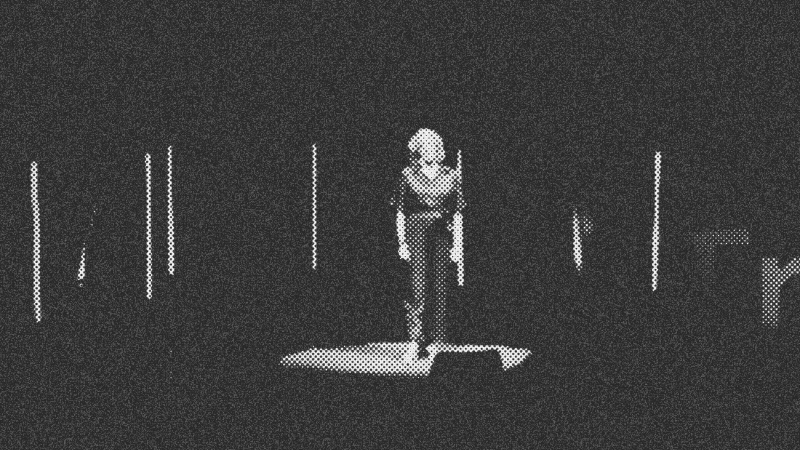
The Unseen Scars of Trauma
Dr. Petche begins by recounting her journey of self-discovery, starting with a seemingly simple question posed by her therapist: "Do you know who I am?" This marked the beginning of understanding her depression symptoms as manifestations of post-traumatic stress disorder (PTSD), stemming from a series of traumatic events throughout her life.
These events included a gang encounter at 16, a physical assault at 18, and rape at 19. What's particularly striking is how these experiences were dismissed or invalidated by those around her, including medical professionals. This lack of acknowledgment exacerbated her suffering, leading to internalized shame and a disconnection from herself and others.
Redefining Trauma and Its Impact
Dr. Petche challenges the traditional definition of trauma, which often limits it to war combat or catastrophic events. She broadens the scope to include experiences like bullying, emotional abuse, bereavement, and witnessing the suffering of others. These "invisible wounds," she argues, can have profound and lasting effects on our well-being.
She highlights the physiological responses to trauma, such as fawning, freezing, and playing dead, as survival strategies deeply rooted in our biology. However, these responses can become maladaptive when they persist beyond the traumatic event, leading to chronic stress, inflammation, and an increased risk of various health problems, including autoimmune diseases, heart problems, and even cancer.
The Societal Cost of Ignoring Trauma
Dr. Petche emphasizes that the impact of ignoring trauma extends far beyond the individual level. It affects our relationships, our ability to learn and grow, and our capacity for creativity and risk-taking. The financial burden is also substantial, with PTSD costing the United States an estimated $232 billion per year, according to a 2022 paper published in the Journal of Clinical Psychiatry.
A Framework for Healing: C-SENSE
Recognizing the urgent need for a trauma-informed approach, Dr. Petche introduces a simple yet powerful framework called C-SENSE, built upon five elements of safety:
- Compassion and Curiosity: Approaching ourselves and others with empathy and a genuine desire to understand their experiences.
- Safety: Identifying and creating environments where we feel secure and grounded.
- Embodiment: Connecting with our bodies and allowing ourselves to experience and process emotions.
- Nourishment: Prioritizing self-care through sleep, healthy food, and activities that bring us joy.
- Structure: Establishing routines, rhythms, and boundaries that provide a sense of predictability and stability.
- Environment: Acknowledging the impact of our surroundings and creating spaces that promote healing.
A Personal Transformation
Dr. Petche shares the story of a patient named Kate, who had experienced sexual assault as a teenager and was met with blame and shame from her family. Through a compassionate and validating conversation, Dr. Petche was able to help Kate reframe her experience, leading to a path of healing, sobriety, and self-love. This story exemplifies the transformative power of acknowledging trauma and providing a safe space for healing.
A Call to Action
Dr. Petche concludes with a call to action, urging us to recognize the invisible wounds of trauma and create trauma-informed systems in healthcare, education, the justice system, and the workplace. She reminds us that healing is possible and that it begins with a simple choice: to acknowledge trauma with compassion.
By embracing this approach, we can create a more just, equitable, and compassionate world for ourselves and future generations. It's about shifting the question from "What's wrong with you?" to "What happened to you?" That simple shift can unlock the door to healing and transformation.
- autoimmune diseases
- 4%· medicalcondition
- bereavement
- 4%· event
- brain bleed
- 4%· medicalcondition
- bullying
- 4%· event
- cancer
- 4%· medicalcondition
- Other topics
- 80%
Is Trauma Costing You your Future? | Dr. Susanna Petche | TEDxTraleeWomen
WatchTEDx Talks // 16:44

TEDx is an international community that organizes TED-style events anywhere and everywhere -- celebrating locally-driven ideas and elevating them to a global stage. TEDx events are produced independently of TED conferences, each event curates speakers on their own, but based on TED's format and rules. For more information on using TED for commercial purposes (e.g. employee learning, in a film or online course), please submit a Media Request here: https://media-requests.ted.com.