Unmasking Strength: Why Vulnerability Is Your Greatest Asset
Let's redefine strength, shall we? It's time to dismantle the illusion that it's about unwavering perfection and unyielding independence. Jessica Lovell eloquently challenges this outdated notion, inviting us to consider that true strength lies in vulnerability—in embracing our authentic selves, "cracks and all."
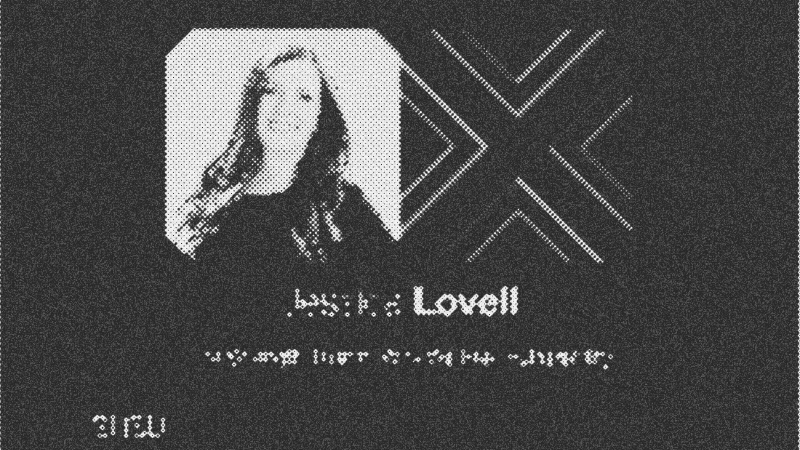
The Armor We Wear
Like Jessica Lovell, many of us grew up with a distorted perception of strength, shaped by cultural icons and personal experiences. For her, it was the larger-than-life figures of the 80s—Hulk Hogan, Arnold Schwarzenegger, and Flojo. But as she matured, she recognized a different kind of strength in her grandmother, Mimi, a woman who faced immense hardships with quiet resilience. This early understanding equated strength with survival, with "pulling yourself up by your bootstraps."
However, this inherited blueprint of strength became a suit of armor, shielding her from vulnerability but also from genuine connection. Think about the armor you might be wearing: "I'm fine," "I've got this," or "I don't need anyone." These are the very barriers that prevent us from being truly seen and understood.
The Courage to Be Seen
Jessica Lovell's turning point came with the realization that her perceived strengths—perfection, independence, and toughness—were actually isolating her. Discovering Brené Brown's TED talk on vulnerability was a revelation. It challenged her decades-long belief that vulnerability equaled weakness. Instead, she found that "the thing I was most afraid of, being truly seen, cracks and all, was the one thing that could set me free."
This shift in perspective prompted Jessica Lovell to share her story, to reveal her authentic self to others. The response was unexpected: "People didn't judge, they embraced me." This experience shattered another illusion—the assumption that privileged or wealthy individuals couldn't understand her struggles. By opening up, she discovered shared burdens and common ground with those she had previously kept at a distance.
The Beautiful Mess Effect
Psychology researchers have a term for this phenomenon: the "beautiful mess effect." We tend to judge our own vulnerability as weakness while viewing vulnerability in others as courageous. Studies show that we predict we'll seem awkward or weak when imagining ourselves in vulnerable situations. Yet, when we observe others in the same scenarios, we perceive them as admirable and brave.
Jessica Lovell experienced this firsthand as president of a nonprofit for women in finance. Initially hesitant, she embraced honesty and authenticity in her leadership. The result? "The more I led with honesty, the more people leaned in. They didn't want perfect. They wanted real."
Invitation to Connect
Challenge the illusion that strength means never cracking. Instead, choose connection over perfection. Start with "just one crack of honesty." Remember, strength isn't the absence of struggle; it's "the courage to be seen as we really are." By letting go of the need to appear perfect, you empower others to do the same.
Legacy of Vulnerability
While Mimi taught Jessica Lovell how to survive, vulnerability taught her how to truly live. It's about letting go of who you think you need to be, asking for help when you need it, and speaking your truth, even when it's scary. Strength isn't about never breaking; it's about being real.
Your story is a bridge to connection. Share it. Vulnerability is contagious, and your courage can inspire courage in others. Ask yourself: What story have you been hiding to protect your image of strength? What might happen if you finally let someone see the real you? Strength begins with vulnerability. Take that first step.
- Arnold Schwarzenegger
- 8%· person
- Bnee Brown
- 8%· person
- Financial Women in Texas
- 8%· organization
- Flojo
- 8%· person
- Flora
- 8%· person
- Other topics
- 62%
The Strength Illusion: Why We Fear Vulnerability | Jessica Lovell | TEDxSHSU
WatchTEDx Talks // 12:03

TEDx is an international community that organizes TED-style events anywhere and everywhere -- celebrating locally-driven ideas and elevating them to a global stage. TEDx events are produced independently of TED conferences, each event curates speakers on their own, but based on TED's format and rules. For more information on using TED for commercial purposes (e.g. employee learning, in a film or online course), please submit a Media Request here: https://media-requests.ted.com.