Unveiling Surgical Excellence: From Guarded Skills to Shared Wisdom
The discourse around skill-sharing, especially within specialized fields like surgery, often reveals a deeply ingrained tension between self-preservation and the advancement of collective knowledge. It's a narrative as old as craftsmanship itself, reminiscent of guilds guarding their secrets.
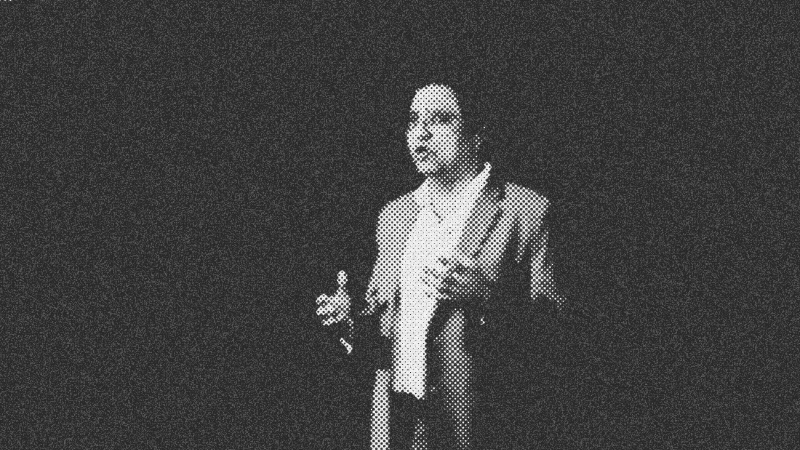
The Weight of Insecurity
Dr. Hemant Sharma elucidates this when he speaks of a 'disease of insecurity' that afflicts professionals, a fear of being rendered replaceable if one's skills are too readily shared. This resonates profoundly with historical accounts of artisans and craftsmen who, throughout history, have been reluctant to divulge techniques for fear of economic repercussions. Knowledge, after all, was often equated with power and livelihood.
A Mentor's Mandate: Succession, Not Rivalry
Sharma's experience in the UK unveiled a contrasting approach. Mentors there, as he observed, prioritize the success of their trainees, understanding that their mentee's achievements reflect well on their own abilities as educators. This mirrors the educational philosophies of certain ancient schools of thought, where the master's legacy was carried forward and enhanced by the student.
The Operating Room Revelation
The true test of a teacher, as Sharma discovered, lies in witnessing a student surpass them. That instant when his junior fellow executed a surgical step flawlessly, a step that took Sharma decades to master, was pivotal. The pride in his student momentarily battled with the primal fear of obsolescence. But as he recalled his mentor's words, “you've got to be the best because that's the only proof I am your teacher", the balance was restored.
The Indian Context: Complexity and Potential
India, according to Sharma, presents a unique environment for medical professionals due to the sheer volume and complexity of cases. This accelerated exposure, however, must be coupled with a willingness to share knowledge generously. He advocates for a shift in mindset, urging his peers to embrace technology and teach younger generations without reservation.
Precision, Empathy, and the Future of Medicine
Sharma champions the integration of robotic technology in surgery, not as a replacement for human skill, but as an enhancement. This echoes the broader historical trend of technological advancements augmenting human capabilities. By combining this precision with empathy, he envisions a future where medical professionals not only heal bones but also address the systemic challenges within the field.
The path forward, as Sharma suggests, requires courage—the courage to admit mistakes, embrace new technologies, and, most importantly, to teach with generosity. It is this synthesis of skill, empathy, and shared knowledge that will truly elevate the practice of medicine.
- complication
- 5%· medical
- Delhi NCR
- 5%· location
- Dr. Hant
- 5%· person
- Dr. Hemant Sharma
- 5%· person
- England
- 5%· location
- Other topics
- 74%
The Courage to Teach: Why Knowledge Must Be Shared, Not Guarded | SVSU | Dr Hemant Sharma | TEDxSVSU
WatchTEDx Talks // 11:23

TEDx is an international community that organizes TED-style events anywhere and everywhere -- celebrating locally-driven ideas and elevating them to a global stage. TEDx events are produced independently of TED conferences, each event curates speakers on their own, but based on TED's format and rules. For more information on using TED for commercial purposes (e.g. employee learning, in a film or online course), please submit a Media Request here: https://media-requests.ted.com.