Forgiving Yourself: Finding Strength in Vulnerability and Imperfection
Aditya Shreevatsav's narrative offers a profound exploration of self-perception, resilience, and the transformative power of forgiveness. It's a reminder that our most challenging moments don't define us; instead, they reveal our capacity for growth and understanding.
The Illusion of a Perfect Life
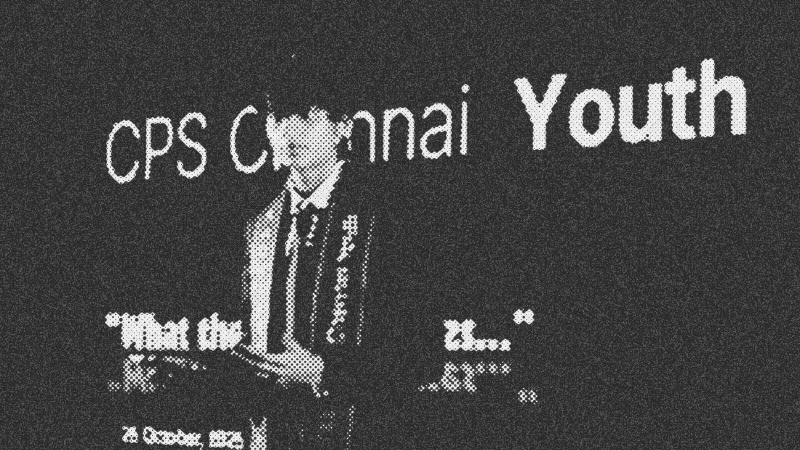
Aditya begins by describing a life that seemed picture-perfect. Happiness was found in simplicity, and the concepts of resilience and loss remained distant. However, this perceived invulnerability was shattered in August 2024 when unexpected news of a tragedy struck. The initial numbness he experienced masked a deeper grief that would later surface, reshaping his sense of self.
The Unmasking of Grief
Grief, as Aditya notes, often arrives unannounced, manifesting in unexpected ways such as irritation, distance, and silence. During those difficult weeks, Aditya made choices that felt foreign, leading to guilt and regret. The hardest realization was not the loss of loved ones, but the temporary loss of himself. This marked the beginning of a profound struggle with self-doubt, as he questioned his character and worth.
Drawing Strength from an Unlikely Place
In his search for resilience, Aditya found inspiration in Virat Kohli, admired not for his achievements but for his honesty and ability to confront failure. Kohli's journey, particularly his admission of losing himself while trying to meet external expectations, resonated deeply with Aditya. It highlighted a common struggle: the tendency to construct polished versions of ourselves and the subsequent loss of identity when those facades crumble.
Redefining Mistakes and Vulnerability
Aditya emphasizes that mistakes do not define us; rather, it's the narrative we create afterward. Our minds often distort reality, convincing us that our lowest moments represent our true selves. This is where vulnerability plays a cruel trick, leading us to believe that our most flawed selves are our most authentic. Yet, it is during these times that self-judgment is loudest, and compassion is most absent.
The Power of Perspective
A turning point came through a friend's simple yet profound advice: those who truly care about you will continue to do so, regardless of your mistakes. This realization shifted Aditya's focus from self-criticism to recognizing the unwavering support of those who saw him for who he was, imperfections and all. He highlights the importance of not seeking validation from everyone, as some will always view you through the lens of your mistakes.
From Guilt to Understanding
Aditya realized that healing begins not with forgetting, but with understanding. By shifting from "Why did I do that?" to "Why did I act that way?", he began to see himself not as a bad person, but as someone grappling with grief. He underscores the importance of judging ourselves based on our intentions rather than solely on our reactions, and to avoid turning temporary moments into permanent labels.
Rebuilding with Forgiveness and Kindness
Introspection without forgiveness, Aditya warns, is merely self-destruction in disguise. Forgiving yourself means acknowledging what happened and understanding why, not excusing it. This understanding transformed his approach to life, fostering growth through mistakes and emphasizing the importance of kindness. True maturity lies not in never faltering, but in rebuilding with compassion.
Wisdom Through Honesty
Aditya distinguishes between knowledge and wisdom, noting that while knowledge tells you what to do, wisdom tells you what not to do. He illustrates this with the limitations of simply reading self-help books versus experiencing life firsthand. Perspective comes from living, understanding from failing, and peace from forgiving yourself for those failures.
Embracing Imperfection
Ultimately, Aditya's journey led him to embrace imperfection and honesty. By stopping the pretense of being perfect, he found genuine growth and connection. He quotes Fyodor Dostoevsky, reminding us that suffering is often a catalyst for understanding ourselves beyond the masks we wear.
Final Thoughts
Aditya encourages us to remember that our reactions in vulnerable states do not define our identity. We are not bad people for breaking under pressure; we are simply learning to cope better. The mirror reflects our face, but it misses our struggles, our resilience, and the wisdom we quietly accumulate through experience. It is these unseen qualities that truly define us.
- Aditya Shivats
- 20%· person
- Dale Carnegie
- 20%· person
- Fyodor Dostoevsky
- 20%· person
- Virat Kohli
- 20%· person
Somewhere Between Who We Are and Who We Think We Are | Aadhidhya Shreevatsav | TEDxCPS Chennai Youth
WatchTEDx Talks // 13:40

TEDx is an international community that organizes TED-style events anywhere and everywhere -- celebrating locally-driven ideas and elevating them to a global stage. TEDx events are produced independently of TED conferences, each event curates speakers on their own, but based on TED's format and rules. For more information on using TED for commercial purposes (e.g. employee learning, in a film or online course), please submit a Media Request here: https://media-requests.ted.com.