Unboxing Identity: From Individual to y(OUR) Community Mosaic
In contemplating Laura Sugarwala's reflections on community and identity, I'm reminded of the ancient philosophers who grappled with similar questions of belonging and purpose. Like those thinkers, Laura Sugarwala navigates the complexities of defining oneself within a larger social fabric, a challenge that has resonated across millennia.
The Quest for Self: Beyond the Confines of a Box
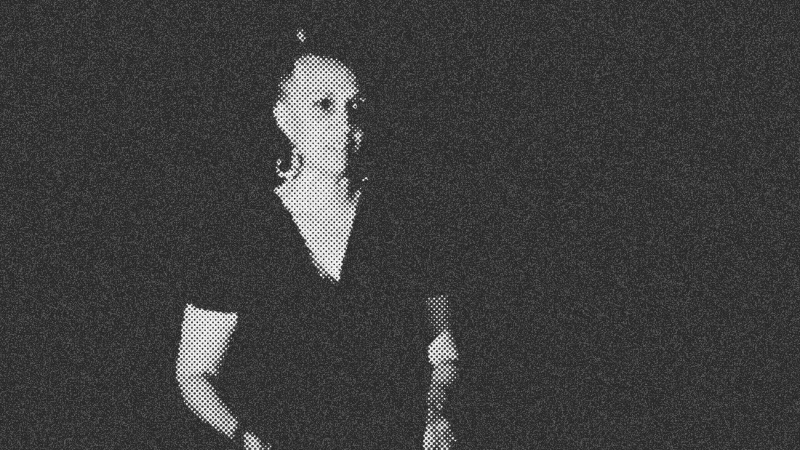
Laura Sugarwala opens with a sentiment familiar to many: the struggle to fit neatly into prescribed categories. This resonates deeply with historical accounts of individuals who defied societal norms, pushing against the constraints of their time. The question, "Am I brown enough? Am I white enough?" echoes the universal search for identity, a theme prevalent in various cultural narratives and philosophical treatises.
Laura Sugarwala references her ancestors Arlene, Donald and Catijah as a unit, a community. She reveals the initial struggle of figuring out what to discuss, Laura Sugarwala turned to a friend, a member of her community, for guidance. This act of seeking counsel reflects the ancient practice of communal wisdom, where individuals relied on the collective knowledge of their peers to navigate life's challenges.
The Law of Conservation and the Expansion of Community
Drawing upon the law of conservation of mass, Laura Sugarwala extends the concept of community to encompass the entire Earth. This perspective aligns with the ancient concept of interconnectedness, where all beings are seen as part of a larger cosmic web. This expansive view challenges the limitations of traditional categories, urging us to recognize our shared existence on this planet.
Laura Sugarwala touches on the skepticism she encounters as a dietitian, she notes the challenge of entering spaces where she questions her belonging, wondering if she fits in or if her background aligns with those around her. This internal questioning reflects the broader human experience of seeking validation and acceptance within social groups.
Shifting Perspective: From Self to Others
Laura Sugarwala introduces a profound shift in perspective: "Wherever we go, there someone else is." This emphasizes the importance of considering the experiences and perspectives of others, moving beyond a self-centered view of the world. She highlights that others have joys, pains, and sorrows, and are valuable in and of themselves.
The question, "What color are you?" becomes an opportunity for dialogue and understanding, rather than a source of division. Laura Sugarwala emphasizes the importance of being with each other, rather than doing things for or to each other, fostering a sense of mutual respect and collaboration. This is about fitting into a mosaic where every color brings something to that picture.
Action and Momentum: Moving Towards Shared Vision
Laura Sugarwala underscores the importance of action in building community, referencing the biological phenomenon of chemotaxis, where cells move towards a stimulus. She emphasizes that we too are compelled to move together, intentionally directing our actions towards a shared vision. She shares how a friend has walked alongside her for 20 years, asking uncomfortable questions, but always with the goal of moving forward together.
Building y(OUR) Community: A Call to Action
Laura Sugarwala concludes with a call to action, urging us to look at ourselves, be in physical space with others, ask thoughtful questions, and move in action together. If you see someone stuck in a box, it's okay to help them out.
In reflecting on Laura Sugarwala's insights, I am reminded of the importance of embracing diversity, fostering empathy, and working collaboratively towards a shared future. By expanding our understanding of community and challenging the limitations of categorization, we can create a more inclusive and interconnected world.
Embracing the Mosaic
I encourage you to consider how you can apply these principles in your own life. How can you move from 'your' community to 'our' community, embracing the mosaic of human experience? By actively engaging with others, asking thoughtful questions, and working towards shared goals, we can build stronger, more resilient communities that reflect the richness and diversity of our world.
y(OUR)Community | Laura Sugarwala, MBA, RDN | TEDxRochester
WatchTEDx Talks // 11:02

TEDx is an international community that organizes TED-style events anywhere and everywhere -- celebrating locally-driven ideas and elevating them to a global stage. TEDx events are produced independently of TED conferences, each event curates speakers on their own, but based on TED's format and rules. For more information on using TED for commercial purposes (e.g. employee learning, in a film or online course), please submit a Media Request here: https://media-requests.ted.com.