Beyond the Three-Digit Score: Financial DNA and the Quest for Equitable Homeownership
From Exclusion to Opportunity: Reframing Access Through Financial DNA
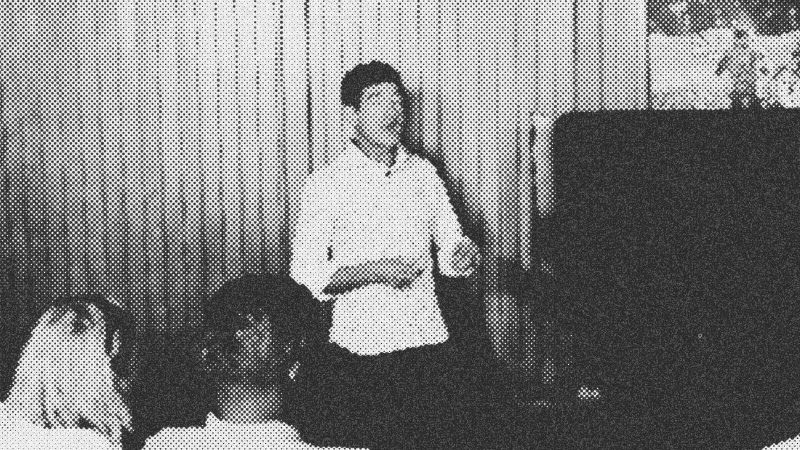
The ability to be seen, truly seen, is a fundamental human desire. As the philosopher Simone Weil noted, 'Attention is the rarest and purest form of generosity.' Brent Chandler's narrative arc, from his early days in foster care to the forefront of financial innovation, underscores the critical need for a more nuanced understanding of individual worth, particularly within financial systems.
The Weight of Labels and the Drive for Purpose
Chandler's early experiences, marked by labels and a sense of being an outsider, propelled him toward a life of service and a quest to redefine societal metrics of value. His time in the United States Marine Corps instilled in him a profound sense of camaraderie and mutual support, encapsulated in the phrase, "We all bleed red." This ethos transcends superficial differences, emphasizing shared humanity and collective well-being.
From Wall Street to a Personal Awakening
Following his military service, Chandler ventured into Wall Street, where he witnessed firsthand the power of data and algorithms in shaping financial landscapes. His work involved inventing the world's first online trade and building algorithmic trading systems, this provided insight into the potential of data to reveal patterns and insights about people. However, this trajectory took a turn when Chandler encountered personal obstacles in securing a home loan, despite his financial stability. This experience unveiled systemic biases and a lack of understanding within the lending process, igniting a desire to rectify these inequalities.
The Fair Housing Act: A Promise Unfulfilled
Chandler highlights the limitations of the Fair Housing Act of 1968, intended to combat discrimination in housing and lending. Despite its passage, a significant wealth gap persists, exacerbated by exclusionary practices in homeownership. He poignantly notes the historical context, with the law's enactment occurring shortly after the assassination of Dr. Martin Luther King Jr., a figure who understood deeply the disparities in treatment across different groups of people.
Technological Solutions and the Path Forward
Recognizing the potential of technology to address these challenges, Chandler and his team developed a solution to provide a comprehensive view of an individual's financial profile, or "financial DNA." This approach moves beyond the limitations of traditional credit scores, incorporating factors such as cash flow and residual income to assess a borrower's capacity and ability to repay. The innovation led to a partnership with Fannie Mae and the introduction of digital verification processes, facilitating trillions of dollars in loans for individuals previously excluded from homeownership.
Cash Flow Underwriting: Seeing Beyond the Score
Chandler champions the adoption of cash flow underwriting and residual income analysis, which he argues provides a more accurate and holistic assessment of a borrower's financial health. This approach enables lenders to see beyond a mere three-digit score, recognizing the individual's true capacity and borrowing power. Homeownership, he emphasizes, is not merely about acquiring property; it is a cornerstone of family life, community development, and economic growth.
Toward a Future of Inclusion
The pursuit of equitable access to homeownership requires collective action and a commitment to seeing individuals for who they are, rather than reducing them to a credit score. By embracing innovative technologies and alternative underwriting methods, society can create opportunities for all individuals to achieve the dream of owning a home and building a more inclusive and prosperous future.
- Civil Rights Act
- 13%· law
- DoddFrank
- 13%· law
- Fair Housing Act
- 13%· law
- Fanny May
- 13%· organization
- Federal Crisis Inquiry Commission
- 13%· organization
- Other topics
- 38%
The Theory of Being Seen: How Data Can Restore Dignity and Access | Brent Chandler | TEDxBoston
WatchTEDx Talks // 8:12

TEDx is an international community that organizes TED-style events anywhere and everywhere -- celebrating locally-driven ideas and elevating them to a global stage. TEDx events are produced independently of TED conferences, each event curates speakers on their own, but based on TED's format and rules. For more information on using TED for commercial purposes (e.g. employee learning, in a film or online course), please submit a Media Request here: https://media-requests.ted.com.