Navigating Life's Unpredictable Hands: Ancient Wisdom for Modern Challenges
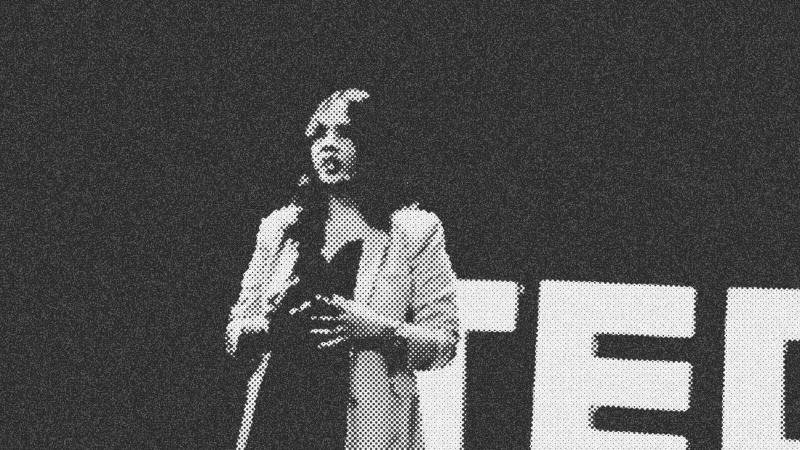
Life, as Seneca eloquently observed, often resembles a game where the rules are in constant flux, and the players are dealt hands of varying quality. Divya Chaudhary's narrative, shared at TEDxSunbeam College Varanasi Women, serves as a poignant reminder of this timeless truth. Her experiences, from childhood card games to navigating personal loss and professional aspirations, echo the trials faced by individuals across millennia.
The Illusion of Perfect Circumstances
Chaudhary's youthful ambition to become a divorce lawyer, fueled by the glamorous portrayals in soap operas, reflects humanity's tendency to construct idealized futures. This mirrors the ancient Greeks' concept of eudaimonia, often misinterpreted as mere happiness, but more accurately understood as a life lived in accordance with virtue and reason. The pursuit of perfect circumstances, much like building a fragile 'castle of cards' as Chaudhary describes, is often a precarious endeavor.
The Wisdom of Adaptation
The unexpected turn of events in Chaudhary's life—her father's accident and subsequent passing, the academic setbacks—these are the moments that test the mettle of the human spirit. Ancient Stoic philosophers, such as Epictetus, emphasized the importance of focusing on what we can control: our actions, reactions, and attitudes. Chaudhary's decision to attend Sunbeam Women's College, despite initial reservations, exemplifies this principle. It was a choice that reshaped her path, leading her to discover her passion for storytelling and writing.
Community as a Cornerstone
Chaudhary underscores the vital role of community in navigating life's challenges. This resonates deeply with the social structures of ancient societies, where collective support was essential for survival and prosperity. The encouragement she received from her professors, the opportunities to participate in college events, and the connections she forged with her peers—all these contributed to her personal and professional growth. The concept of Ubuntu, an ancient African philosophy that espouses 'I am because we are', encapsulates the essence of community support and interdependence.
Courage and Calculated Risks
Her journey highlights the importance of courage in making pivotal decisions. Her willingness to challenge expectations, whether it was balancing extracurricular activities with academics or moving to Delhi for a research project, demonstrates a proactive approach to life's uncertainties. She demonstrates understanding when to fold, and when to raise the stakes. Sun Tzu, in The Art of War, advocates for a similar approach: assess the terrain, understand your strengths and weaknesses, and strike when the opportunity arises.
The Art of the Poker Face
Chaudhary's metaphorical advice to 'keep your poker face on' encapsulates the need for resilience and composure in the face of adversity. This is not to advocate for emotional suppression, but rather for maintaining a strategic awareness of one's circumstances. Roman Emperor Marcus Aurelius, in his Meditations, advises a similar approach: to remain calm and rational amidst chaos, and to focus on the present moment.
Choosing Your Own Game
Ultimately, Chaudhary's message is one of empowerment. While we may not be able to control the cards we are dealt, we can control how we play the game. This requires self-awareness, courage, community support, and a willingness to adapt to changing circumstances. It is a lesson that echoes the wisdom of the ancients, reminding us that the human spirit is capable of enduring and thriving, even in the face of profound adversity. The choices we make, as Chaudhary emphasizes, shape not only our own lives but also the world around us. We must act accordingly.
- Banaras Hindu University
- 4%· organization
- child rights in you
- 4%· organization
- City Montessori School
- 4%· organization
- CMS
- 4%· organization
- Delhi University
- 4%· organization
- Other topics
- 80%
Acing the cards you dealt with | Divya Chaudhary | TEDxSunbeam College Varanasi Women
WatchTEDx Talks // 17:53

TEDx is an international community that organizes TED-style events anywhere and everywhere -- celebrating locally-driven ideas and elevating them to a global stage. TEDx events are produced independently of TED conferences, each event curates speakers on their own, but based on TED's format and rules. For more information on using TED for commercial purposes (e.g. employee learning, in a film or online course), please submit a Media Request here: https://media-requests.ted.com.