Beyond Diagnosis: Reclaiming Mental Well-being Through Connection and Meaning
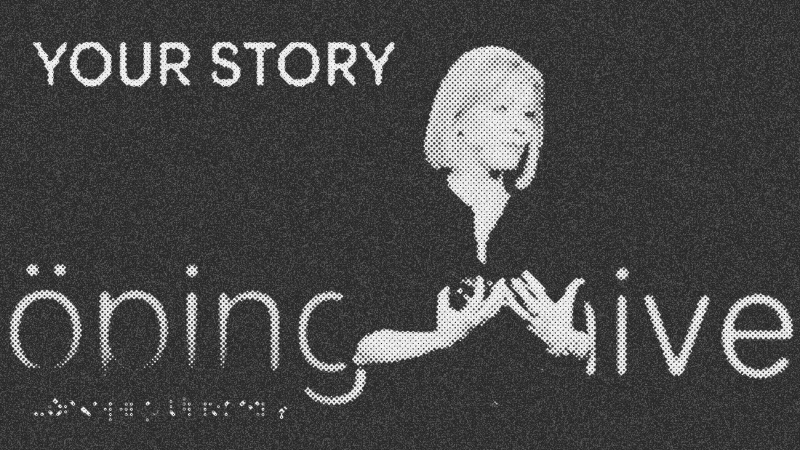
As an academic deeply invested in understanding the human condition across time, I find Petra Velzeboer's reflections on mental health at TEDxJönköping University profoundly resonant. Her insights challenge the conventional medical model, urging us to reconsider the narratives we construct around emotional distress.
The Limits of Labels
Velzeboer recounts her personal experience of seeking help, only to be met with a swift diagnosis and prescription. This encounter, as she describes, left her feeling more confused than before, questioning whether a label could truly capture the complexity of her internal world. Her experience echoes concerns raised in archaeological studies of ancient healing practices, where remedies were deeply intertwined with cultural and spiritual contexts, a stark contrast to the often depersonalized nature of modern medicine.
Rediscovering Ancient Wisdom
Her exploration led her to recovery groups, where she discovered the power of shared experience and brutal honesty. This mirrors the anthropological studies of communal healing rituals in various cultures. Velzeboer emphasizes the importance of being honest and accountable, principles that resonate with ancient philosophical traditions focused on self-awareness and ethical conduct. She raises a critical question: Should mental health recovery be confined to professional settings, or is there value in community and connection?
The Science of Hope and Connection
Velzeboer references the work of Dr. Joe Dispenza, Johan Hari, and Joanna Moncrieff, highlighting the brain's neuroplasticity and the role of disconnection in mental distress. This aligns with recent findings in cognitive archaeology, which suggests that our environments and social interactions profoundly shape our cognitive processes. The Power Threat Meaning Framework, introduced by the British Psychological Society, offers an alternative to psychiatric diagnosis, emphasizing the impact of power structures and personal narratives on emotional well-being.
Reclaiming Our Stories
At the heart of Velzeboer's message is the idea that our emotional distress is not necessarily evidence of mental illness, but a response to our life experiences. She encourages us to ask, "What happened to you?" rather than "What's wrong with you?" By understanding our stories, we can create meaning and build support networks, fostering post-traumatic growth. Clinical psychologist Richard Benel's quote, "Life is an accumulation of experiences…and there is no pill or treatment that will take us back to how we were before," encapsulates this perspective.
A Crisis of Meaning and Connection
Velzeboer challenges us to shift from isolated self-help to collective accountability, asking, "What support have you had? And what meaning would you create from your life?" Her challenge is a call to embrace our shared humanity, to recognize the inherent wisdom in our experiences, and to create a more connected and meaningful world. It is a reminder that, like the civilizations of the past, we have the capacity to learn, adapt, and thrive, even in the face of profound challenges.
- British Psychological Society
- 10%· organization
- Joanna Moncrieff
- 10%· person
- Joe Despenza
- 10%· person
- Johan Hari
- 10%· person
- Petra Velzeboer
- 10%· person
- Other topics
- 50%
Reframing Diagnosis and the Road to Recovery | Petra Velzeboer | TEDxJönköping University
WatchTEDx Talks // 17:52

TEDx is an international community that organizes TED-style events anywhere and everywhere -- celebrating locally-driven ideas and elevating them to a global stage. TEDx events are produced independently of TED conferences, each event curates speakers on their own, but based on TED's format and rules. For more information on using TED for commercial purposes (e.g. employee learning, in a film or online course), please submit a Media Request here: https://media-requests.ted.com.