Reclaiming Authentic Connection: Re-Evaluating Our Digital Lives
The human story is one of connection, from the earliest cave paintings depicting communal hunts to the complex trade routes of ancient civilizations. However, as Stamatis Lykos elucidates, we find ourselves in a peculiar predicament in our modern era: increasingly connected digitally, yet profoundly isolated emotionally.
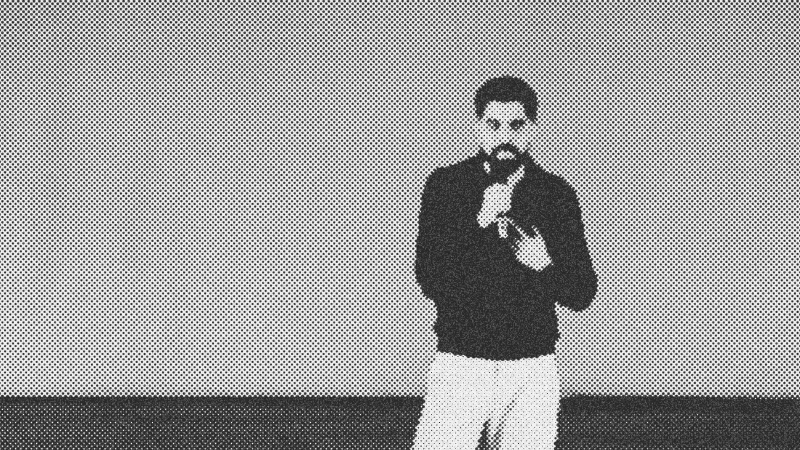
The Illusion of Closeness
Lykos observes that the silent script we've been handed—work hard, achieve, and happiness will follow—often leads to an unexpected emptiness. It echoes sentiments similar to those expressed by Seneca in his letters, where he warned against the pursuit of external validation as a source of contentment. The digital age, with its promise of instant connection, has instead delivered a mirage. As Lykos notes, a Meta and Gallaloop study reveals that nearly a quarter of the global population grapples with feelings of loneliness, a figure that's both staggering and deeply concerning.
The Pitfalls of Digital Performance
A critical point raised is the confusion between contact and genuine connection. Lykos aptly describes how we often mistake digital gestures—reacting to a story, sending a quick message—for true emotional presence. This resonates with concerns raised by social critics like Neil Postman, who cautioned against the superficiality of a society increasingly reliant on image and entertainment. Lykos recounts a night in Athens, a scene reminiscent of Aldous Huxley's Brave New World, where individuals were more engrossed in recording experiences for online validation than actually participating in them.
Rebuilding Authentic Connection
So, how do we navigate this paradox? Lykos proposes two fundamental shifts. First, we must re-evaluate our relationship with social media, recognizing it as a stage where we often perform rather than authentically connect. This echoes the philosophical inquiries of Jean-Jacques Rousseau, who questioned the corrupting influence of societal performance on the individual. Second, Lykos emphasizes the importance of finding our "third place," a concept introduced by sociologist Ray Oldenberg. These are the neutral grounds—the coffee shops, gyms, and community spaces—where genuine connections are fostered. The erosion of these spaces, exacerbated by remote work and digital nomadism, has contributed to our collective sense of isolation.
Unlearning and Reconnecting
Lykos challenges us to unlearn four pervasive beliefs:
- That busyness equates to fulfillment.
- That being online equals being close.
- That independence means we don't need anyone.
- That love will magically happen.
Instead, he urges us to actively choose closeness, to show up, speak up, and reach out, even when it feels risky or uncomfortable. This call to action aligns with the wisdom of ancient Stoics, who emphasized the importance of virtue and intentional action in the pursuit of a meaningful life.
Embracing Vulnerability and Presence
Ultimately, Lykos reminds us that true connection isn't something we scroll for; it's something we choose. It requires vulnerability, presence, and a willingness to be real, even when it's awkward or unfiltered. As we navigate the complexities of our digitally saturated world, let us remember the enduring human need for authentic connection, for the hands we hold and the hearts we touch. Let us be the update, not waiting for technology to solve our problems, but actively creating the connections we crave.
- 1984
- 4%· work of art
- Aegean Airlines
- 4%· organization
- Athens
- 4%· location
- Bali
- 4%· location
- Big Blue Academy
- 4%· organization
- Other topics
- 78%
Disconnected Together: Why We Feel Alone in a Connected World | Stamatis Lykos | TEDxDereeACG
WatchTEDx Talks // 16:51

TEDx is an international community that organizes TED-style events anywhere and everywhere -- celebrating locally-driven ideas and elevating them to a global stage. TEDx events are produced independently of TED conferences, each event curates speakers on their own, but based on TED's format and rules. For more information on using TED for commercial purposes (e.g. employee learning, in a film or online course), please submit a Media Request here: https://media-requests.ted.com.