Rethinking Justice: Society's Role in Rehabilitation and Redemption
In a society that often equates justice with punishment, Richard Good challenges us to reconsider our responsibilities toward those who have been incarcerated. He asks a fundamental question: Should society bear some responsibility for the fate of individuals who, often due to systemic failures, find themselves within the justice system?
The Cycle of Reoffending
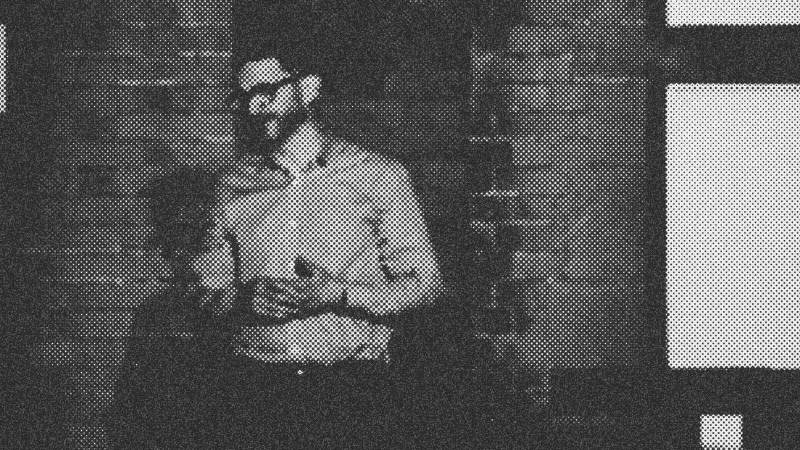
Richard Good points out a sobering reality: current approaches to criminal justice simply aren't working. Recidivism rates remain stubbornly high in many countries. He highlights that a significant portion of those imprisoned have served time before, and a large percentage of released offenders re-offend within a distressingly short period. This cycle leads to more victims, increased fear of crime, and greater costs to the public.
Beyond Individual Choice
It's easy to assume that individuals in the justice system are solely responsible for their actions. However, Richard Good argues that this view is overly simplistic. While personal accountability is important, many individuals are products of societal failures, ensnared by circumstances beyond their control. He paints a stark picture of the challenges they face:
- Unemployment
- Addiction
- Homelessness
- Lack of Education
- Mental Health Issues
- Experiences in the care system during childhood
These factors disproportionately affect those who end up in the justice system, suggesting that societal shortcomings play a significant role in their path.
Steven's Story: A Microcosm of Systemic Failure
To illustrate this point, Richard Good shares the story of a young man he calls Steven. Steven's life was marked by a series of devastating events. He lost his mother to addiction at a young age, endured abuse in the care system, and faced immense challenges when his child was born with serious health issues. These adversities led him to substance abuse and, ultimately, to incarceration. Steven's story forces us to confront uncomfortable questions such as: Was his imprisonment solely the result of his choices, or was it a consequence of the circumstances he faced? Should society share the responsibility for his fate?
Breaking Down Barriers, Building Hope
Richard Good emphasizes that the vast majority of incarcerated individuals will eventually return to the community. However, they often face significant barriers such as difficulties in accessing healthcare, housing, and employment, which greatly increase the risk of reoffending. He argues that by lowering these barriers, we can reduce reoffending rates and give individuals a reason to hope for a better future.
The Turnaround Project: A Model for Change
Driven by this vision, Richard Good became involved in the Turnaround Project. This organization seeks to empower individuals to transform their lives and to encourage society to embrace those within the justice system. The Turnaround Project offers various services, including employment opportunities and personal development programs. What sets it apart is its ability to unite a diverse community of people such as civil servants, lawyers, business people, and even former offenders. They all work together to support individuals on their journey away from the justice system.
A Collective Responsibility
Richard Good leaves us with a powerful message: when one of us commits a crime, all of us bear a responsibility for what happens next. By acknowledging the systemic factors that contribute to crime and by actively working to break down barriers for those re-entering society, we can create a more just and equitable world. The journey may be long and complex, but by walking alongside those who have been marginalized, we can begin to close the gaps and build a society where everyone has the opportunity to thrive.
- Belfast
- 14%· location
- Ireland
- 14%· location
- Northern Ireland
- 14%· location
- Richard Good
- 14%· person
- Steven
- 14%· person
- Other topics
- 29%
Hope and opportunity – a society challenge | Richard Good | TEDxQueensUniversityBelfast
WatchTEDx Talks // 11:16

TEDx is an international community that organizes TED-style events anywhere and everywhere -- celebrating locally-driven ideas and elevating them to a global stage. TEDx events are produced independently of TED conferences, each event curates speakers on their own, but based on TED's format and rules. For more information on using TED for commercial purposes (e.g. employee learning, in a film or online course), please submit a Media Request here: https://media-requests.ted.com.