Blockchain: Redefining Trust and Ownership in the Digital Age
In a world grappling with the fragility of centralized systems, the rise of blockchain technology presents a compelling alternative. Chase Larson, EVP and Chief Lending Officer at St. Cloud Financial Credit Union, speaking at TEDxStCloud, illuminates how blockchain offers a path toward decentralization, individual empowerment, and a more resilient financial future.
The Cracks in the Foundation
The financial crisis of 2008 serves as a stark reminder of the risks inherent in centralized systems. The collapse of traditional financial institutions eroded public trust, revealing the system's vulnerability. Simultaneously, the emergence of disruptive technologies like Uber exposed the limitations of established models unable to adapt to changing needs. Larson suggests that these events underscore a crucial lesson: centralized power and resistance to innovation pave the way for collapse.
Blockchain: A New Paradigm
Larson posits that blockchain technology offers a fundamental shift in how we perceive trust and ownership. Unlike traditional systems reliant on intermediaries, blockchain operates on the principles of math, transparency, and code. It is a decentralized digital ledger distributed across a network of computers, or nodes, rather than controlled by a single entity. This decentralization fosters transparency and security, as the network collectively validates and secures information.
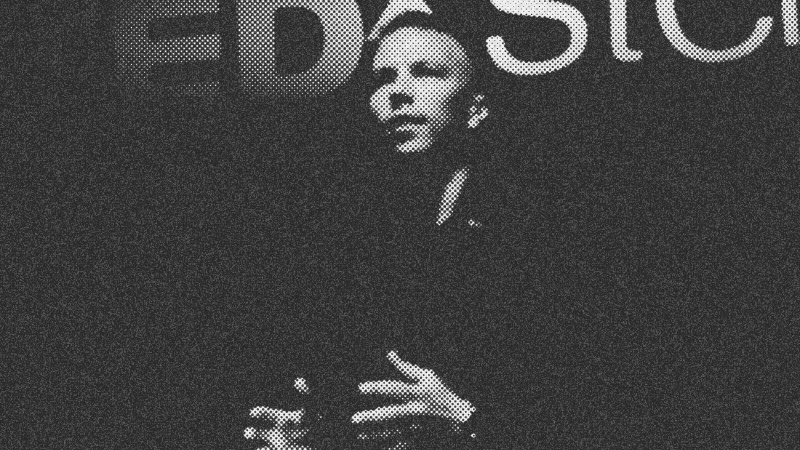
To illustrate this concept, Larson draws a comparison between a traditional bank and a blockchain. A traditional bank functions as a private ledger, recording debits and credits within its closed system. In contrast, blockchain provides a public ledger, accessible to all, where information is recorded and stored in a decentralized manner. This move from "closed books to open ones" is what Larson believes makes blockchain a powerful tool for redefining the future of money.
Digital Assets and Peer-to-Peer Value Transfer
At the heart of blockchain transactions lie digital assets, anything in digital form that holds value. Cryptocurrencies like Bitcoin exemplify this concept. By combining digital assets with a decentralized network, blockchain enables peer-to-peer value transfer, instantly and globally. This eliminates the need for traditional intermediaries like banks, empowering individuals to control their money, data, and identity.
Real-World Impact and Future Potential
Larson highlights real-world examples of blockchain's transformative impact. In countries facing economic instability, such as Argentina with its high inflation rates, citizens are turning to digital assets to safeguard their savings. In Africa, communities are leveraging blockchain-based tools to bypass traditional banking systems, facilitating remittances and accessing capital previously unavailable. These examples underscore blockchain's potential to address systemic inequalities and empower individuals worldwide.
While acknowledging the challenges and imperfections of blockchain technology, including its volatility and susceptibility to misuse, Larson draws parallels to the early days of the internet. Just as the internet and email evolved from clunky, unreliable tools to indispensable technologies, blockchain has the potential to mature and become a force for positive change. The key, according to Larson, lies in harnessing blockchain's capacity to expand access, transparency, and freedom.
Community Financial Institutions: Bridging the Gap
Larson envisions a future where financial institutions play a crucial role in bridging the gap between blockchain technology and the public. By integrating the speed and transparency of blockchain with trust, regulation, and security, these institutions can deliver the benefits of decentralized finance to those who need it most. Ultimately, blockchain represents a shift in control, empowering individuals to govern themselves and reclaim ownership in an increasingly digital world. Larson urges the audience to explore the possibilities of cryptocurrency and blockchain, emphasizing its potential to shape a more equitable and resilient future.
- Africa
- 14%· location
- Argentina
- 14%· location
- Bitcoin
- 14%· currency
- Chase Larson
- 14%· person
- St. Cloud Financial Credit Union
- 14%· organization
- Other topics
- 29%
How blockchain empowers people and creates trust | Chase Larson | TEDxStCloud
WatchTEDx Talks // 8:51

TEDx is an international community that organizes TED-style events anywhere and everywhere -- celebrating locally-driven ideas and elevating them to a global stage. TEDx events are produced independently of TED conferences, each event curates speakers on their own, but based on TED's format and rules. For more information on using TED for commercial purposes (e.g. employee learning, in a film or online course), please submit a Media Request here: https://media-requests.ted.com.