The Echo of Silence: An Examination of Complicity and Moral Responsibility
The Weight of Unspoken Words
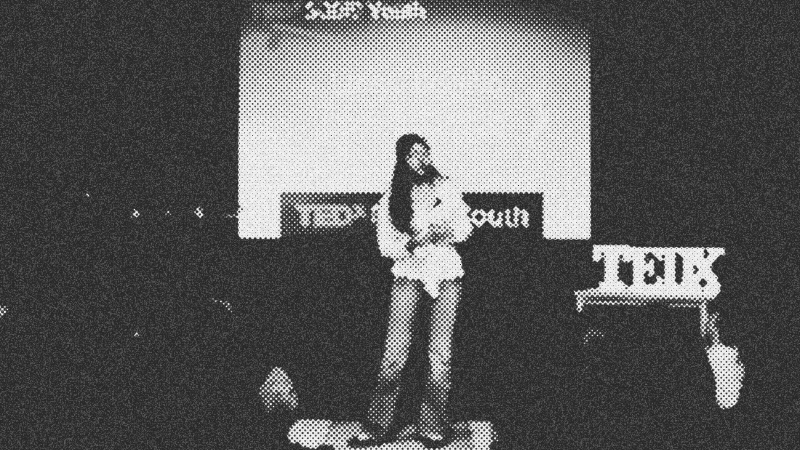
The opening remarks by Liraya Rebello highlight a profound discomfort with silence. Silence, often perceived as a neutral state, carries significant weight. Rebello elucidates that silence is never truly neutral; it actively shapes outcomes, whether on a personal or global scale. It is a potent force that can embolden oppressors and leave the vulnerable isolated. This recalls the ancient Roman dictum, "Qui tacet consentire videtur" – he who is silent appears to consent, a legal principle underscoring the responsibility inherent in choosing not to speak.
The Personal and the Political: A Continuum of Responsibility
Rebello poignantly recounts her own experiences with the silence of peers during a difficult period. This personal narrative serves as a microcosm for understanding broader societal issues. The silence of her peers mirrors the silence observed in political arenas, where injustices persist due to the unwillingness of individuals and institutions to speak out. As Edmund Burke stated, "The only thing necessary for the triumph of evil is for good men to do nothing."
Rebello draws attention to the global stage, citing Palestine, Sudan, Congo, and Ukraine, where silence in the face of suffering implicates us all. These examples serve as stark reminders that our choices, or lack thereof, contribute to the perpetuation of injustice. The speaker underscores that these human rights violations are not distant concerns but are woven into the fabric of our daily lives, from local issues such as homelessness to global crises witnessed through our screens.
Breaking the Silence: Actionable Steps Towards Justice
While the challenges may seem overwhelming, Rebello urges that each individual possesses the capacity to effect change. It begins with recognizing that our voices, combined with empathy, are powerful tools. Rebello proposes practical steps:
- Amplify Awareness: Use social media platforms to spread information and support causes.
- Financial Contribution: Donate to organizations actively working for positive change, even in small amounts.
- Direct Intervention: Challenge bullying behavior and create safe spaces for those who are marginalized.
These actions, though seemingly small, collectively contribute to a more just and equitable world. Rebello reminds us that those of us who have the privilege to speak out have a duty to do so on behalf of those who cannot.
From Apathy to Action: A Call for Collective Awakening
Rebello acknowledges the fear and discomfort that often accompany speaking out. However, she insists that silence is not a safe haven; it is a prison. Drawing from her transformation, she encourages all to find their voice and use it to challenge injustice. Rebello reframes this discussion not merely as a call to action but as a personal awakening. She challenges her audience and herself to confront the question: "By staying silent, who are you really protecting?"
Embracing Our Role in the Human Story
Silence is a choice, and it is a choice that reverberates through history. To break free from the cycle of complicity, we must recognize the power of our voices and commit to speaking out against injustice wherever we find it. As citizens of the world, we are all historians in the making, and it is our duty to ensure that our actions reflect a commitment to justice and compassion.
- Congo
- 13%· location
- Edmund Burke
- 13%· person
- India
- 13%· location
- Liraya Rebello
- 13%· person
- Palestine
- 13%· location
- Other topics
- 38%
Silence isn't Neutral: When You Say Nothing, You Say Something | Liraya Rebello | TEDxSGBIS Youth
WatchTEDx Talks // 5:42

TEDx is an international community that organizes TED-style events anywhere and everywhere -- celebrating locally-driven ideas and elevating them to a global stage. TEDx events are produced independently of TED conferences, each event curates speakers on their own, but based on TED's format and rules. For more information on using TED for commercial purposes (e.g. employee learning, in a film or online course), please submit a Media Request here: https://media-requests.ted.com.