The Mycelial Web: Fungi, Circularity, and a Vision for Planetary Health
As Sue Van Hook invites us to consider the beach, she paints a vivid picture of contrasts—the natural versus the synthetic, the cyclical versus the linear. The seemingly immutable ocean, with its constant waves, holds within it a story of ecological disruption and potential restoration. It's a narrative deeply intertwined with choices of materials, our understanding of planetary processes, and the wisdom of ancient life forms.
The Primordial Connection
That initial breath of salt air, as Sue Van Hook suggests, is more than a sensory experience; it's a reminder of our origins, a connection to the very beginnings of life in the sea. This connection serves as a foundation for understanding the profound impact of our actions on the marine environment. The journey to the beach is not merely a change of scenery, but a passage into contemplating our place within the Earth's ancient rhythms.
From Wood to Styrofoam: A Tale of Two Buoys
The evolution from wooden lobster buoys, crafted with care and imbued with personal history, to mass-produced styrofoam versions encapsulates a significant shift in values. Van Hook poignantly recalls her grandfather's wooden buoys, each a unique work of art reflecting a personal signature upon the water. These buoys, made from renewable resources, contrast sharply with their modern counterparts. The advent of styrofoam, initially hailed as a miracle material, represents the allure of convenience and cost-effectiveness, yet it conceals a darker truth: a reliance on fossil fuels and the introduction of carcinogenic substances into our environment. The wooden buoys, heavy with the weight of tradition and sustainability, stand in stark opposition to the light, easily produced styrofoam, which carries a heavy ecological price tag.
Mycelium to the Rescue: A New Material Emerges
In contrast to the ecological burden of styrofoam, Sue Van Hook introduces a promising alternative: a buoy grown from hemp and fungus. This material, born from the process of her own experimentation, embodies the principles of a circular economy. It is lightweight, strong, and buoyant, mirroring the desirable qualities of styrofoam, but with a dramatically reduced carbon footprint. This innovative material not only sequesters carbon but also, at the end of its life cycle, returns nutrients to the earth, closing the loop in a way that styrofoam cannot.
The Unseen Crisis: Phytoplankton and Microplastics
Beyond the visible pollution, there lies an unseen crisis: the decline of phytoplankton and the proliferation of microplastics. While the Amazon rainforest is often referred to as the "lungs of the planet," the phytoplankton in our oceans are responsible for a staggering 50 to 70% of the oxygen we breathe. Sue Van Hook highlights a disturbing reality: microplastic contamination is reducing the photosynthetic rates of these vital organisms, threatening the very air we breathe. This alarming revelation underscores the urgent need to address plastic pollution and its far-reaching consequences. This is new science that is not thrilling.
The Circle of Life: Photosynthesis and Decomposition
Sue Van Hook elucidates the elegant dance between photosynthesis and decomposition, the yin and yang of planetary health. Plants and algae, powered by the sun, capture carbon dioxide and create the building blocks of life. Fungi, the great decomposers, break down these complex molecules, returning essential elements back to the environment. This cyclical process, perfected over millions of years, stands in stark contrast to our linear, wasteful economy. She highlights that fungi have been on the planet for half of its geological history and have cleaned up debris from mass extinctions.
A Call for Circularity: Embracing Fungal Solutions
The mycologist underscores the urgent need to transition from a linear to a circular economy, one that mimics the natural cycles of the Earth. She champions the use of fungal composite materials, such as those developed by Ecovative, as a viable alternative to toxic plastics. These materials can replace styrofoam in a wide range of applications, from packaging to building insulation, offering a sustainable path forward. She notes that plastics are the number one pollutant in our oceans. Fungi buoyancy can replace styrofoam plastics in fishing operations.
Rebalancing Our Relationship with the Planet
Sue Van Hook's vision extends beyond mere material substitutions; it calls for a fundamental shift in our perception of life on Earth. She urges us to recognize the finite nature of our planet and to embrace the wisdom of fungi, ancient organisms that have played a vital role in maintaining ecological balance. By listening to the mushrooms, experimenting, and rethinking our relationship with the natural world, we can unlock innovative solutions to the environmental challenges we face. This final breath of salt air serves as a reminder of the interconnectedness of all life and the urgent need to protect the delicate balance of our planet.
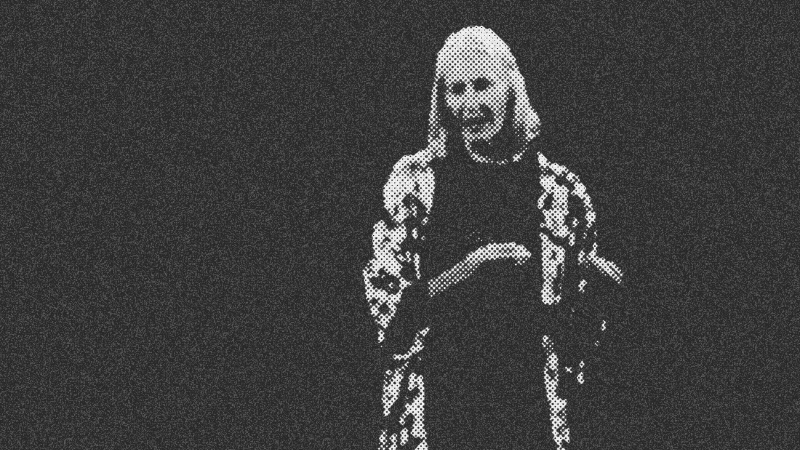
Using fungi to align with life on a finite planet | Sue Van Hook | TEDxDirigo
WatchTEDx Talks // 13:22

TEDx is an international community that organizes TED-style events anywhere and everywhere -- celebrating locally-driven ideas and elevating them to a global stage. TEDx events are produced independently of TED conferences, each event curates speakers on their own, but based on TED's format and rules. For more information on using TED for commercial purposes (e.g. employee learning, in a film or online course), please submit a Media Request here: https://media-requests.ted.com.