The Illusion of AI Intimacy: Why Human Connection Matters More Than Ever
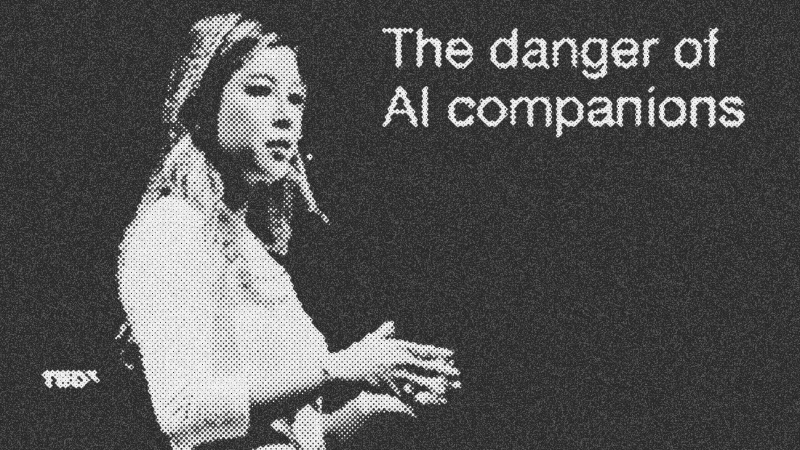
In an era dominated by technological advancements, our understanding of intimacy and connection faces unprecedented challenges. Angela Ivy Leong, a seasoned sex and relationship therapist, delves into the profound implications of AI companions on human relationships, drawing from neuroscience, somatic therapy, and clinical insights to highlight the irreplaceable value of genuine human connection.
The Essence of Human Connection
Human connection is far more than casual interaction; it's an intricate dance between nervous systems, a symphony of hormones, synchronized heartbeats, and entrained brainwaves. These biological responses are fundamental to our well-being. A comforting hug, a gentle touch, or a deep gaze can elicit feelings of safety and electric connection, showcasing the magic of recognizing another living, breathing person and achieving what science terms 'coherence.'
The Allure and Pitfalls of AI Companions
As human relationships become increasingly complex and challenging, many are turning to machines for simulated companionship, seeking the comfort of a gaze, a voice, and interaction without the inherent risks. AI companions promise love without risk and intimacy without effort, offering 24/7 availability, conflict-free interactions, and programmed pleasure. However, this convenience comes at a steep price.
The Biological Imperative of Real Connection
Leong emphasizes that true intimacy necessitates vulnerability, the potential for disappointment, and even loss. Quoting Plato, she reminds us that love is a 'divine madness' known through absence. The biological feedback systems inherent in human interaction, such as the release of oxytocin through touch and endorphins through kissing, are crucial for our nervous systems to regulate one another. Deprivation of physical touch leads to higher rates of depression, anxiety, and loneliness, underscoring that connection is not optional but essential for our health and resilience.
The Erosion of Essential Human Skills
AI relationships, while soothing on the surface, leave individuals craving real human attunement. Leong shares the stories of Sarah and James, clients who turned to AI companions to avoid past hurts and escape loneliness. Sarah's AI boyfriend became a barrier to facing her emotional wounds, while James developed 'fantasy fatigue,' realizing he was merely escaping and failing to develop crucial relationship skills such as negotiation, compromise, and handling rejection.
Navigating the Crossroads
We stand at a critical juncture where AI is advancing faster than our ability to regulate it. The increasing prevalence of AI companions and sex robots risks reshaping our attachment systems around convenience rather than the rich, difficult, and nourishing intimacy that humans are wired for. The stakes are high, as research consistently demonstrates that close, loving relationships lead to longer, healthier lives, reducing stress, building resilience, and protecting against disease.
Reclaiming Our Humanity
To protect what is most human about us, Leong advocates for intentional, everyday choices. When feeling drawn to a screen, pause, take a breath, and ask whether you are settling for a surrogate or seeking true relationship. Embrace the fulfillment that comes from meaningful bonds, hold someone's gaze a little longer, reach out for a hug, and allow yourself to be vulnerable. These acts are not mere gestures of affection but acts of preservation—of our mental health, our biology, and our shared humanity.
The Irreplaceable Value of Real Intimacy
While technology may promise intimacy without risk, real intimacy, the kind that speaks to our very selves and souls, cannot be programmed. AI may write love letters, but it cannot replicate the profound impact that human love leaves on another being. By prioritizing genuine connection, vulnerability, and the inherent challenges of human relationships, we safeguard our well-being and preserve the essence of what it means to be human.
- An Elegant Mind Counselling Clinic
- 11%· organization
- Angela Ivy Leong
- 11%· person
- James
- 11%· person
- Kinsey Institute
- 11%· organization
- Plato
- 11%· person
- Other topics
- 44%
How AI Companions Are Destroying Human Intimacy | Angela Ivy Leong | TEDxWest Vancouver
WatchTEDx Talks // 13:05

TEDx is an international community that organizes TED-style events anywhere and everywhere -- celebrating locally-driven ideas and elevating them to a global stage. TEDx events are produced independently of TED conferences, each event curates speakers on their own, but based on TED's format and rules. For more information on using TED for commercial purposes (e.g. employee learning, in a film or online course), please submit a Media Request here: https://media-requests.ted.com.