Safeguarding Democracy: The Imperative of Trust and Digital Literacy in the Electoral Process
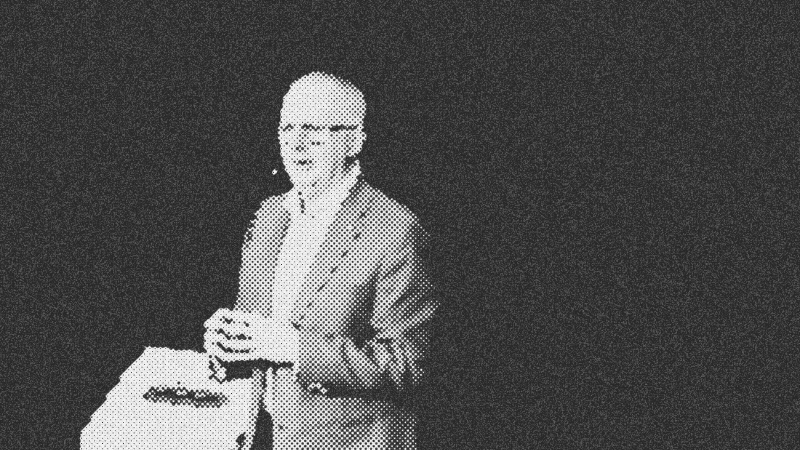
In a world grappling with the erosion of trust in democratic institutions, it is crucial to understand the multifaceted challenges and fortify the foundations of electoral integrity. Tom Rogers AO, former Australian Electoral Commissioner, brings attention to the decline in public trust and emphasizes the need for digital literacy to safeguard democracy against modern threats.
The Weight of Trust in a Democratic Society
According to Tom Rogers, the essence of a vote lies not merely in its physical presence but in the trust it embodies. This trust, however, is increasingly under siege. Rogers reflects on his tenure as Electoral Commissioner, recounting bizarre conspiracy theories, such as claims of extraterrestrial involvement in Australian elections, that underscore the growing skepticism toward electoral processes. This distrust, fueled by misinformation, threatens to undermine the very fabric of democratic societies, where the collective faith in the system is what ultimately gives legitimacy to elected leaders.
A Global Crisis of Democratic Confidence
The global landscape reveals a concerning trend: the diminishing number of fully functioning democracies. Citing data from the VDM Institute in Sweden, Rogers highlights the fragility of electoral systems. The traditional threats to democracy, such as military coups, are now supplemented—and sometimes supplanted—by insidious forces that operate through digital channels. Disinformation campaigns and AI-generated fakes erode public confidence, necessitating a proactive approach to reinforce democratic values.
Forging a New Civic Language: Lingua Democratica
To counter the forces of division and distrust, Rogers proposes the development of what he terms a lingua democratica, drawing a comparison to the unifying role of Latin in medieval Europe. This is not a literal language but rather a set of shared civic principles that act as a common ground for discourse. Key tenets of this lingua democratica include the acceptance of free and fair elections, a commitment to pluralism, the peaceful transfer of power, and the protection of democratic processes from disinformation. These principles, when collectively embraced, can serve as a bulwark against the erosion of democratic values.
Digital Literacy: The Linchpin of Democratic Resilience
Rogers asserts that digital literacy is the most critical tool for preserving democracy in the digital age. He breaks down digital literacy into three essential components: the ability to navigate and understand the online world, media literacy to critically assess information, and civic literacy to comprehend the workings of a democratic society. Drawing a comparison, Rogers points to Finland, which has integrated digital literacy into its national security strategy, becoming one of the most disinformation-resistant countries in the world. Rogers advocates for a comprehensive, nationally coordinated, and adequately funded digital literacy campaign in Australia, redirecting existing government advertising funds towards this crucial cause.
Investing in the Future of Democracy
Ultimately, the future of democracy hinges on the ability to cultivate informed and engaged citizens. By prioritizing digital literacy and fostering a culture of trust and critical thinking, societies can safeguard their electoral processes and ensure that future generations inherit not just the right to vote, but a deep appreciation for the weight and value of their democratic birthright. The task now is to mint these coins of trust, ensuring the robustness and longevity of democratic institutions.
- AEC
- 5%· organization
- ANU National Security College
- 5%· organization
- Australia
- 5%· location
- Australian Electoral Commission
- 5%· organization
- Canada
- 5%· location
- Other topics
- 74%
The weight of a vote | Tom Rogers AO | TEDxCanberra
WatchTEDx Talks // 14:52

TEDx is an international community that organizes TED-style events anywhere and everywhere -- celebrating locally-driven ideas and elevating them to a global stage. TEDx events are produced independently of TED conferences, each event curates speakers on their own, but based on TED's format and rules. For more information on using TED for commercial purposes (e.g. employee learning, in a film or online course), please submit a Media Request here: https://media-requests.ted.com.