The Human Spark: Redefining Happiness in an AI-Enhanced World
Imagine a day orchestrated with seamless precision by artificial intelligence: a gentle smart alarm, a friendly voice reciting your schedule, a fridge suggesting a health-optimized breakfast, and an electric toothbrush noting a decayed tooth. This vision of a perfectly planned, maximally efficient existence, where AI acts as a modern Prometheus delivering the spark of a new civilization, often feels like an invisible operating system beneath our daily lives. Yet, this layer of intelligence we've come to rely on prompts a profound inquiry, as Iris Wang thoughtfully explores: in this incredible age of artificial intelligence, are we truly becoming happier?
Iris recounts a poignant personal moment: seeking solace from an AI on her phone, receiving a technically correct but emotionally distant song recommendation. This contrasted sharply with a simple, silly tune from a human friend, delivered with genuine sentiment, which instantly lifted her spirits. This experience sparked a crucial reflection: can happiness be achieved through mere calculation, or does it stem from something more intrinsic, something uniquely human?
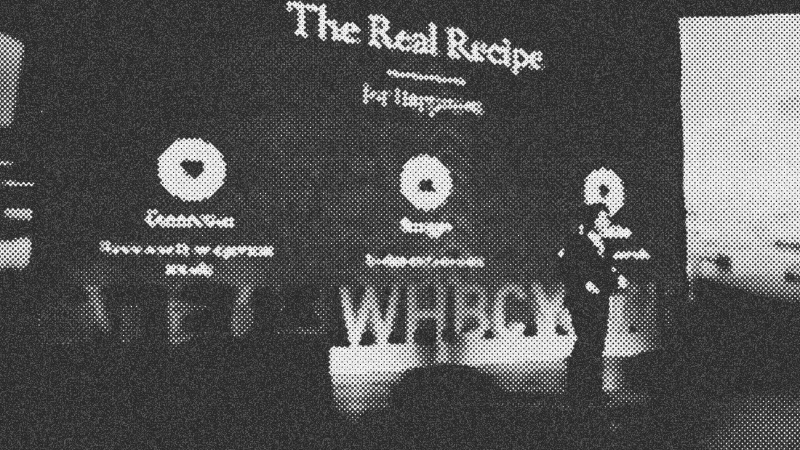
Distinguishing Pleasure from Genuine Fulfillment
The allure of AI lies in its capacity for quick gratification. It excels at managing mundane data, planning vacations, remembering passwords, and even crafting poetry at lightning speed. Consider the swift satisfaction of an AI-generated paper receiving a high score. While an initial flush of pride might emerge, Iris observes that this often gives way to a lingering emptiness. The absence of struggle—the late nights, the revisions, the moments of breakthrough—leaves a void where deep pride should reside. True success, she suggests, arises from sustained effort and persistence, yielding an irreplaceable sense of fulfillment that AI, as a powerful tool, cannot deliver.
Psychological research reinforces this distinction, indicating that true happiness is not a byproduct of constant pleasure, but rather the culmination of deeper human experiences. Iris illuminates three essential pillars:
- The Profundity of Connection: AI demonstrates impressive conversational abilities, celebrating successes and offering comfort during distress. However, its responses, no matter how beautifully articulated, can eventually feel hollow. It provides solutions but lacks the capacity for shared emotions or genuine empathy. The essence of human connection—imperfect, unpredictable, yet deeply authentic—remains unparalleled. Only humans can offer an embrace from the heart, imbuing words with the warmth of a soul.
- The Value of Struggle and Achievement: While AI can instantly render an image of a mountaintop, the profound sense of accomplishment comes not from the visual but from the arduous journey itself. The burning lungs, the aching muscles, these physical markers of resilience and effort forge strength. This sustained endeavor grants a lasting satisfaction, a deep sense of fulfillment earned through persistence, far surpassing any fleeting "dopamine hit" an instant gratification might provide.
- The Authenticity of Personal Experience: AI can present a data-optimized map to "success," perhaps suggesting a career path like medicine based on statistical likelihoods. Yet, true happiness often lies in the courageous act of stepping off the well-trodden path, embracing uncertainty, and carving out a unique journey. To get lost, to explore, to become a wandering singer or the "lady who sells the world's best cotton candies" — these are the deeply personal choices that craft a life lived and owned, rather than merely followed.
Leveraging AI as a Catalyst for Human Potential
Recognizing these fundamental truths, the question shifts from whether AI brings happiness to how it can assist us in achieving it. The key lies in repositioning AI not as the source, but as a potent instrument to unlock our full human potential. Here are two examples of how this shift in perspective can yield profound results:
- Inspiring Human Talent: AI, with its vast databases, can inject fresh perspectives, helping us break free from creative ruts. It acts as a catalyst, offering numerous ideas that push boundaries and expand thinking. Singer-songwriter Terrence Southern exemplifies this, using AI to generate initial melodies and chord progressions for her album, "I Am I." While AI provided a valuable starting point, the true artistry—the lyrics, the arrangements, the vocal performance, and the emotional core—remained distinctly hers. AI serves as a spark, but the human artist constructs the masterpiece.
- Deepening Emotional Connection: AI's evolving capabilities can also forge new forms of emotional bonds. The "HereAfter AI" technology, for instance, employs conversational algorithms to allow individuals to interact with digital representations of deceased loved ones. Iris recounts a daughter's profound experience of hearing her mother's voice respond, sharing a past story, which brought forth tears and a renewed sense of presence. This technology doesn't negate the reality of loss but transforms the grieving process, building a bridge that memory alone sometimes struggles to sustain. When designed with emotional awareness, AI does not replace human connection but possesses the unique capacity to deepen it in unexpected ways.
Embracing the Human Journey
Ultimately, AI functions as a mirror, reflecting our intelligence, our curiosity, and our aspirations for a better life. However, it cannot reflect the intrinsic qualities that define our humanity. An AI might generate a poem that moves us to tears or compose a song that sends shivers down our spine, but it will never truly grasp the underlying meaning of those tears, nor will it experience the chills itself. The distinction is crucial: AI is a powerful tool in our human story, but it is not the author.
True happiness, therefore, is not found in the sterile silence of a perfectly optimized algorithm. It thrives in the vibrant, often chaotic, and utterly beautiful symphony of human experience. It resides in the nervous anticipation before stepping onto a stage, in the spontaneous smile shared with a stranger, and, most profoundly, in the unique struggles and triumphs that belong unequivocally to us. This rich tapestry of human existence, interwoven with connection, effort, and individuality, is something no artificial intelligence can ever replicate or replace.
- Artificial Intelligence (AI)
- 8%· concepts
- Electric toothbrush
- 8%· concepts
- HereAfter AI
- 8%· concepts
- Human Connection
- 8%· concepts
- I Am I (album)
- 8%· creative works
- Other topics
- 58%
Beyond Algorithms: Finding True Happiness | Iris Wang | TEDxWHBC Youth
WatchTEDx Talks // 10:22

TEDx is an international community that organizes TED-style events anywhere and everywhere -- celebrating locally-driven ideas and elevating them to a global stage. TEDx events are produced independently of TED conferences, each event curates speakers on their own, but based on TED's format and rules. For more information on using TED for commercial purposes (e.g. employee learning, in a film or online course), please submit a Media Request here: https://media-requests.ted.com.