Bridging the Distance: Nutrition and Healthcare in Mongolia's Nomadic Communities
In many regions across the globe, the simple act of accessing nutritious food and basic healthcare remains a profound challenge, particularly for those living in remote, nomadic communities. Amanda Enkhtaivan addresses this critical issue, focusing on the disparities faced by nomadic families in Mongolia, where geographical isolation significantly impacts health and well-being.
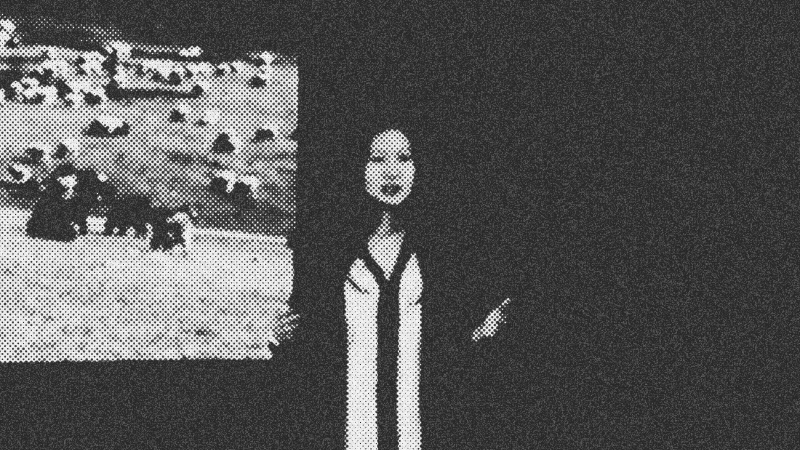
The Nomadic Paradox: Sustenance vs. Nutrition
The core issue lies not in a lack of resources per se, but in the nutritional imbalance inherent in the traditional nomadic diet. Enkhtaivan highlights that while families have access to dairy and meat, their intake of fruits and vegetables is alarmingly low—less than 10% of their daily diet. This reliance on a limited range of foods leads to widespread micronutrient deficiencies, affecting the health and development of children in particular. As the speaker notes, a 2022 report indicated that over one in five children in rural Mongolia suffer from such deficiencies, which are vital for brain development, learning, and immunity. It is a silent emergency, not born of poverty alone but exacerbated by geographic isolation.
The Tyranny of Distance: Barriers to Healthcare
Mongolia's nomadic population, nearly a third of the country, faces formidable barriers to accessing healthcare. The vast distances, compounded by harsh weather conditions and limited infrastructure, create a perfect storm of inaccessibility. Winter temperatures plummet to -40 degrees Celsius, effectively cutting off families from essential services. The distances render perishable goods like fresh produce unattainable, further limiting nutritional diversity. The speaker poignantly illustrates this with the story of a mother whose son, despite being fed daily, suffers from iron deficiency due to the family’s limited access to diverse foods.
Innovative Solutions: Moving Health Forward
Despite these challenges, innovative solutions are emerging. Enkhtaivan notes the work of organizations like UNICEF and local NGOs, which are making significant strides in addressing these issues. Fortified foods and vitamin supplements are helping to combat hidden hunger, while simple innovations like the lucky iron fish are increasing iron intake. Mobile clinics, operating seasonally, bring doctors, nurses, and essential supplies closer to remote communities. Crucially, nutrition education programs empower families to maximize the nutritional value of the resources they have.
A Call to Action: Redefining Our Priorities
Enkhtaivan challenges the audience to reconsider their assumptions about remote living and to prioritize the needs of those at the margins. She urges policymakers and program developers to ask a fundamental question: Does this break barriers for the people at the margins? If continents can be connected with fiber optic cables, she argues, then surely the barriers preventing a child from accessing basic healthcare can be overcome. It is a call to ensure that progress benefits all, regardless of their location.
Envisioning an Inclusive Future
Ultimately, the vision is one where distance does not dictate destiny. A future where the child who eats one more nutritious meal, the mother who gains an extra week of energy, and the family who feels seen are not exceptions, but representative of a broader, more inclusive reality. By focusing on the barriers of geography, distance, health, and nutrition, a future can be forged where no one is left nutritiously behind, no matter how far they live.
- Amanda Enkhtaivan
- 33%· person
- Mongolia
- 33%· location
- UNICEF
- 33%· organization
Distance Shouldn’t Decide Health | Amanda Enkhtaivan | TEDxInternational School of Ulaanbaatar Youth
WatchTEDx Talks // 5:53

TEDx is an international community that organizes TED-style events anywhere and everywhere -- celebrating locally-driven ideas and elevating them to a global stage. TEDx events are produced independently of TED conferences, each event curates speakers on their own, but based on TED's format and rules. For more information on using TED for commercial purposes (e.g. employee learning, in a film or online course), please submit a Media Request here: https://media-requests.ted.com.