Digital Identity in the Age of AI: Authenticity as the Ultimate Currency
In an era dominated by rapidly advancing artificial intelligence, the very essence of human identity is being challenged. Sam Bay, an AI researcher, addresses the profound implications of digital forgeries and the crucial importance of safeguarding our authentic selves.
The Digital Mask
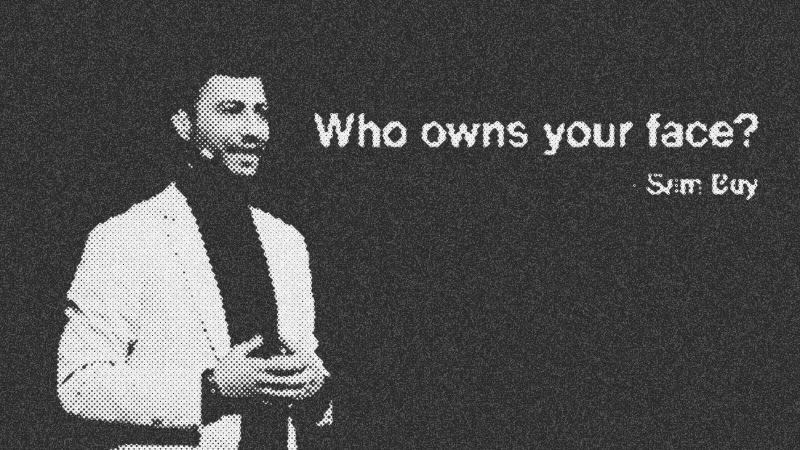
Bay begins by illustrating how easily digital identities can be manipulated. The proliferation of deepfakes and AI-generated content means that faces, voices, and even emotions can be convincingly replicated, blurring the line between reality and simulation. This poses a significant threat, as malicious actors can exploit these technologies for fraudulent purposes, eroding trust in digital interactions.
The CFO Deepfake Incident
Bay highlights a real-world example of the dangers of deepfakes: the CFO fraud. A finance team was deceived by a deepfake video call from their supposed CFO, resulting in the loss of millions of dollars. This incident underscores the sophistication of modern forgeries and the vulnerability of even well-informed organizations.
Liveness Detection: A Frontline Defense
Bay introduces the concept of liveness detection, an AI-powered technology designed to verify the presence of a real, live person in front of a camera. She categorizes presentation attacks into three levels:
- Simple attacks: Involve using paper photos to bypass security systems.
- Advanced attacks: Employ pre-recorded videos of authorized individuals.
- Sophisticated attacks: Utilize detailed 3D facial replicas, such as hyperrealistic masks.
In addition to these methods, face swapping and face reenactment techniques can further manipulate digital identities, making detection even more challenging.
The Duality of Self: Physical vs. Digital
Bay observes that we are the first generation to navigate life with both a physical and a digital self. While our physical selves are characterized by organic traits, our digital selves can be endlessly copied and manipulated. This duality presents both opportunities and risks. On one hand, digital twins can preserve our knowledge and memories, enabling future generations to interact with a semblance of ourselves. On the other hand, the lack of emotional depth and evolving awareness in our digital selves raises concerns about authenticity and misrepresentation.
The Imperative of Authenticity
Bay references the introduction of an AI minister in Albania. While such initiatives may streamline governance, Bay cautions against prioritizing performance over authenticity. AI, she asserts, should augment human capabilities, not replace them. She emphasizes that our unique human qualities—the cracks in our voices, the pauses in our speech, the spontaneous bursts of laughter—are not flaws but rather proof of our presence and authenticity.
The Power of Connection
Bay concludes by highlighting the importance of human connection. Drawing on the concept of quantum entanglement, she suggests that our relationships are not merely digital interactions but profound connections that transcend physical distance. This inherent interconnectedness cannot be replicated by technology, making authentic human presence the rarest and most valuable commodity in an increasingly simulated world.
In a future where digital masks abound, the ability to be fully present, fully aware, and fully connected will define our humanity. It is our responsibility to prioritize authenticity over performance, ensuring that our digital interactions reflect our true selves.
- AI
- 9%· technology
- AI Factory
- 9%· organization
- Albania
- 9%· location
- BioID
- 9%· organization
- Deepfake
- 9%· technology
- Other topics
- 55%
Who owns your face? | Sam Bay | TEDxNuremberg
WatchTEDx Talks // 12:19

TEDx is an international community that organizes TED-style events anywhere and everywhere -- celebrating locally-driven ideas and elevating them to a global stage. TEDx events are produced independently of TED conferences, each event curates speakers on their own, but based on TED's format and rules. For more information on using TED for commercial purposes (e.g. employee learning, in a film or online course), please submit a Media Request here: https://media-requests.ted.com.