Echoes of the Past: How Social Movements Shape Constitutional Rights
The echoes of history often reverberate into the present, shaping our understanding of justice and rights. Kelly Tao's exploration into pivotal Supreme Court cases of the 1960s serves as a stark reminder that the rights we often take for granted are neither immutable nor passively granted. Rather, they are the hard-won results of social and cultural forces that compel legal evolution.
The Illusion of Permanence
The late 1960s witnessed a series of landmark legal decisions that reshaped American society. Cases like Loving v. Virginia (1967), which invalidated laws prohibiting interracial marriage, seemed to solidify fundamental rights. Yet, as Tao points out, these rights can appear fragile when viewed through the lens of contemporary challenges. The overturning of Roe v. Wade in 2022 has reignited fears that other established rights, such as the right to marry whom one loves, could be similarly undermined.
The 1960s: A Crucible of Change
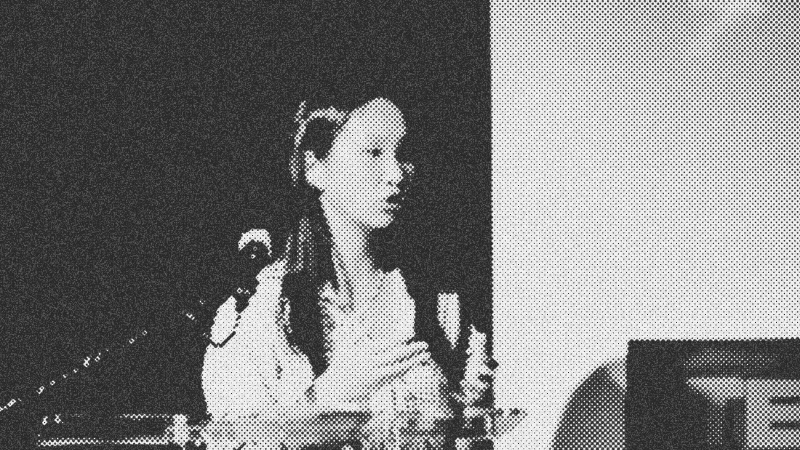
The 1960s was a period of intense social and political upheaval. The Civil Rights Movement, anti-war protests, and the burgeoning feminist movement challenged existing norms and demanded legal reforms. Landmark Supreme Court cases reflected this societal ferment, with activists pushing for change through demonstrations, legal challenges, and cultural expression. Tao's research underscores that these court decisions were not isolated events but were deeply intertwined with the social and cultural context of the time.
Case Studies in Courage
Loving v. Virginia exemplifies the power of individual courage in the face of injustice. Richard and Mildred Loving, an interracial couple, were arrested for violating Virginia's anti-miscegenation laws. Rather than accept exile, they fought back, ultimately leading to a Supreme Court decision that struck down such laws nationwide. Their story, as Tao notes, is a testament to the idea that ordinary people can effect extraordinary change.
Parallels in the Present
The struggles of the 1960s find echoes in contemporary movements around the world. Tao draws parallels between the Civil Rights Movement and current events, such as Iranian women protesting restrictions on their freedom, same-sex couples fighting for marriage equality in Italy, and Polish women protesting abortion bans. These global movements highlight that the fight for human rights is an ongoing, international endeavor.
The Primacy of Social Action
Tao raises a crucial point: laws often follow social change, rather than lead it. This perspective suggests that the protests and activism we see today are not merely random acts of chaos but are essential drivers of progress. Social movements create the conditions for legal reform by raising awareness, challenging norms, and demanding justice. The Supreme Court, as Tao's research indicates, does not operate in a vacuum but is influenced by these broader social forces.
A Call to Vigilance
Rights are not static; they are dynamic and require constant vigilance. Tao warns that silence can lead to the erosion of these rights, while speaking out can shape history. By understanding the historical context of our rights, we can better appreciate their fragility and the importance of defending them. The battles of the past inform the struggles of the present, providing lessons and inspiration for those who seek to create a more just and equitable world.
- Civil Rights Movement
- 8%· social movements
- Feminist movement
- 8%· social movements
- Iran
- 8%· locations
- Italy
- 8%· locations
- Kelly Tao
- 8%· people
- Other topics
- 62%
The Fragility of a Right | Kelly Tao | TEDxSGBIS Youth
WatchTEDx Talks // 3:39

TEDx is an international community that organizes TED-style events anywhere and everywhere -- celebrating locally-driven ideas and elevating them to a global stage. TEDx events are produced independently of TED conferences, each event curates speakers on their own, but based on TED's format and rules. For more information on using TED for commercial purposes (e.g. employee learning, in a film or online course), please submit a Media Request here: https://media-requests.ted.com.