East Meets West: Unpacking French and Chinese Interior Design Philosophies
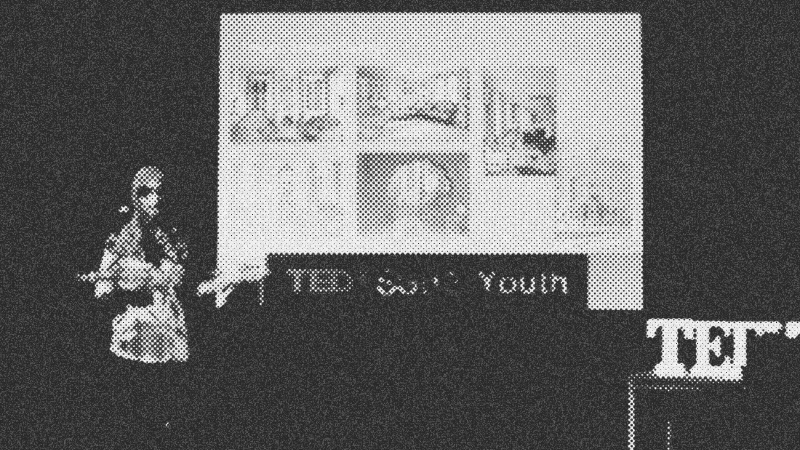
At a TEDx event, Zaina Khan prompted a fascinating thought experiment: envisioning the distinct interior designs of French and Chinese homes, setting the stage for an exploration into how culture shapes our living spaces. Let's embark on a journey through the contrasting yet subtly connected worlds of French and Chinese interior design, unraveling the historical, philosophical, and personal narratives woven into the very fabric of our homes.
A Tale of Two Styles
Khan frames interior design not merely as aesthetics but as a profound reflection of lifestyle, well-being, and identity. Our homes, the backdrops to our daily lives, hold immense importance in providing comfort and safety. But, as Khan suggests, are our personal styles truly our own, or are they echoes of the environments and traditions that envelop us? This question lies at the heart of understanding the divergence and convergence of French and Chinese interior design trends.
French Interior Design: A Dance with Light Through the Ages
Khan traces the evolution of French interior design, spotlighting an enduring theme: the fascination with light.
- 17th Century: The grandeur of Versailles dictated the style, employing light colors like gold and pink, complemented by intricate detailing and expansive glass windows to maximize illumination.
- 18th Century: The Rococo era maintained this lightness, transitioning to more planar colors such as gray and white, offering a subtle yet significant shift.
- 19th Century: A dramatic turn towards darker colors emerged, with light colors strategically used as contrast, marking a departure from previous trends.
- Modern French Chic: This contemporary style harmonizes traditional and luxurious elements, reminiscent of Versailles' grandeur, emphasizing natural light through large windows and pastel color palettes. The allure of the past is ever-present, with vintage and antique items like mirrors, ceramics, chandeliers, and bookshelves adding character and depth.
Contemporary Chinese Interior Design: A Break with the Past, Rooted in Feng Shui
In contrast to the French penchant for historical reverence, Khan observes that contemporary Chinese interior design largely breaks with past trends, save for the enduring influence of Feng Shui. Dating back to the Zhu Dynasty (1046-256 BC), Feng Shui emphasizes the incorporation of five elements—fire, water, earth, wood, and metal—believed to positively influence one's future. Each element carries specific associations:
- Fire: Inspiration and clarity, represented by triangles, reds, oranges, and yellows.
- Water: Intuition, linked to fluid shapes, shades of blues, and blacks.
- Earth: Grounding and stability, incorporated through squares, yellows, greens, and blues.
- Wood: Healing and growth, using wood materials with greens, teals, browns, and blues.
- Metal: Precision and beauty, associated with round shapes and white and metallic colors.
Feng Shui's popularity in China stems from the belief that a home's order mirrors the mind's order, with organization and cleanliness fostering mental clarity and a harmonious life.
Convergences and Divergences
Despite their distinct orientations, Khan points out that both contemporary French and Chinese designs share a common thread: the use of relatively light colors, influenced by past trends and beliefs. Both styles integrate cultural elements, albeit through different means—antiques in French design and traditional shapes and patterns in Chinese design. However, their approaches diverge significantly. French design looks back in awe, incorporating past styles, while Chinese trends focus on creating a future-oriented home through Feng Shui.
The Essence of Home
Khan's exploration underscores that our homes are not just physical spaces but reflections of our identities, traditions, and aspirations. The choices we make in styling our homes, whether consciously or unconsciously, are influenced by our heritage, experiences, and the cultural currents that surround us. Ultimately, the question remains: how do we create spaces that resonate with our unique selves while honoring the traditions that have shaped us?
A Reflection on Personal Style
As Khan aptly concludes, the journey of defining one's personal style is a deeply individual endeavor. Whether drawing on family heritage or embracing the trends of a chosen country, the possibilities are endless. The true essence lies in creating a space that feels authentically ours, a sanctuary that nurtures our well-being and reflects our unique story.
What Can We Learn from French and Chinese Interior Design Traditions? | Zaina Khan | TEDxSGBIS Youth
WatchTEDx Talks // 5:10

TEDx is an international community that organizes TED-style events anywhere and everywhere -- celebrating locally-driven ideas and elevating them to a global stage. TEDx events are produced independently of TED conferences, each event curates speakers on their own, but based on TED's format and rules. For more information on using TED for commercial purposes (e.g. employee learning, in a film or online course), please submit a Media Request here: https://media-requests.ted.com.