The Algorithmic Age: Reclaiming Human Depth in an Era of AI Supremacy
In an era defined by the relentless march of artificial intelligence, a crucial question emerges: are we, as humans, at risk of losing what fundamentally defines us? Roxanna Sun, speaking from Shanghai, addresses this concern, not by advocating for the abandonment of AI, but by urging a conscious recalibration—a 'human pace'—to ensure our unique attributes are not eclipsed by the rapid advancements of technology.
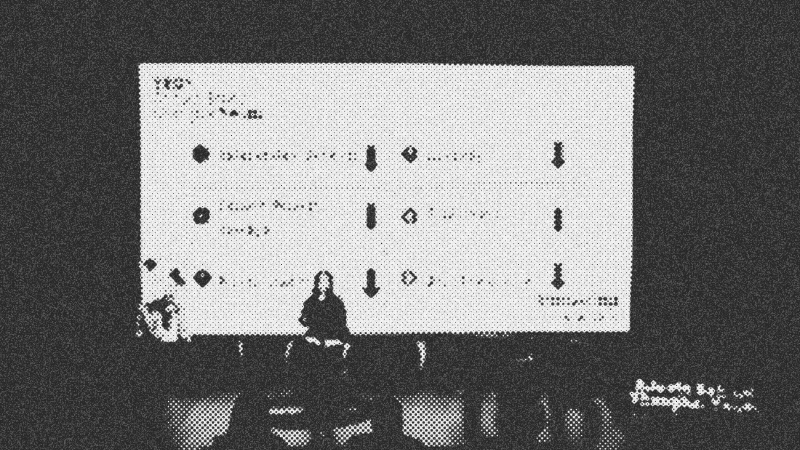
The Dichotomy of Optimization and Meaning
At the heart of this discourse lies a distinction between the capabilities of AI and the essence of human experience. AI excels in optimization, efficiency, and problem-solving within a realm of data and logic. Humans, conversely, thrive on meaning. We construct narratives, navigate emotions, and seek fulfillment in experiences that defy optimization—a quiet conversation with a friend, the contemplation of a sunset. These moments, inherently inefficient, are the cornerstones of our humanity.
The Threat to Self-Actualization
Sun references Maslow's hierarchy of needs, particularly the pinnacle of self-actualization—the drive to become the best version of oneself. She posits that AI subtly impedes our journey toward this peak. Firstly, it diminishes our capacity for independent thought. The ready availability of AI-generated solutions discourages the mental exertion necessary for genuine learning and the development of original ideas. Secondly, AI curtails our curiosity and thirst for exploration. If algorithms can instantly produce perfect essays or complex code, the intrinsic motivation to explore, to question, to discover, wanes. This echoes concerns raised during the Renaissance with the advent of printing, where the fear was that readily available knowledge would stifle original thought and inquiry.
Navigating the Future: Conductor, Not Passenger
The solution, according to Sun, isn't to halt the progress of AI, but to consciously integrate 'human pace' into our lives. We must recognize AI as a powerful tool—akin to a sophisticated calculator—capable of processing information with unparalleled speed. However, it lacks the capacity for discernment, for appreciating the inherent beauty or value in the problems it solves. Therefore, we should strategically utilize the time saved by AI, not for mindless consumption, but for pursuits that ignite our curiosity and foster meaningful engagement. The essence of 'human pace' isn't about deceleration; it's about directing our steps with greater intention and comprehensive insight. We must strive to be the conductors, not the passengers, harnessing AI as a compass to guide our exploration of humanity's path, rather than a map that dictates our every move.
A Call to Leadership
In closing, Sun leaves us with a message—a call to action: 'Don't let your fall behind while the co brings ahead. Let yourself so remain the leader.' A poignant reminder that while AI possesses remarkable capabilities, it can never replicate the profound meaning found in simple human experiences—the warmth of a family embrace, the thrill of a personal breakthrough, the quiet contemplation of a sunset. These are the essence of our humanity, and they must remain at the forefront as we navigate the algorithmic age.
- 20%· organization
- Maslow
- 20%· person
- Open AI
- 20%· organization
- Roxanna Sun
- 20%· person
- TEDxAdcote School Shanghai Youth
- 20%· organization
AI Race, Human Pace | Roxana Sun | TEDxAdcote School Shanghai Youth
WatchTEDx Talks // 6:59

TEDx is an international community that organizes TED-style events anywhere and everywhere -- celebrating locally-driven ideas and elevating them to a global stage. TEDx events are produced independently of TED conferences, each event curates speakers on their own, but based on TED's format and rules. For more information on using TED for commercial purposes (e.g. employee learning, in a film or online course), please submit a Media Request here: https://media-requests.ted.com.