Untangling Resilience: The Unexpected Strength of Human Connection in the Face of Isolation
From the austere landscape of ancient philosophy to the fraught reality of modern survival, the question of resilience has always captivated the human spirit. As Dr. Kate Grarock elucidates, the common perception of resilience as mere individual grit obscures a more profound truth: our capacity to endure is intrinsically linked to our connections with others. Her experiences, ranging from the rigors of naval training to the isolating wilderness of Tasmania, provide a compelling case study in the dynamics of human strength.
The Myth of Stoic Endurance
The traditional notion of resilience often conjures images of the lone stoic, weathering adversity through sheer force of will. However, as Dr. Grarock notes, this perspective is fundamentally flawed. She recalls her time in the Royal Australian Navy, where the brutal challenges of basic training were designed to forge unyielding individuals. Yet, it was not the imposed hardship that fostered resilience, but the shared experience and camaraderie that emerged within the group.
The turning point during an arduous pack run, when she initiated a lighthearted call-and-response, illustrates this principle. The physical burden remained unchanged, but the shared laughter and collective effort transformed the experience, underscoring that "we were no longer alone in our misery. We were moving together."
The Shattering of Isolation and the Power of Presence
Dr. Grarock's personal tragedy further underscores the vital role of human connection. The sudden loss of her mother while at sea plunged her into profound isolation. In this moment of intense grief, it was the unexpected empathy of her boss's wife—a simple act of presence and comfort—that offered solace. This experience highlights how, even in the face of overwhelming personal challenges, connection provides an anchor, reminding us that we are not alone in our suffering.
Lessons from the Wilderness: Reassessing Priorities
The stark environment of the Tasmanian wilderness served as a crucible for Dr. Grarock's understanding of resilience. Stripped of modern comforts and immersed in isolation, she confronted not only physical hardship but also the psychological challenges of solitude. The constant hunger, cold, and the oppressive silence amplified her negative thoughts, leading to what she describes as an "impending sense of doom."
However, through deliberate mental exercises, such as affirming her basic safety and sending thoughts of goodwill to others, she found a way to manage her mindset. This practice of intentionally directing her thoughts outward, toward connection and gratitude, became a lifeline. Her conscious choice to abstain from trapping local wildlife, choosing companionship over sustenance, further illustrates the primacy of connection in her survival strategy.
Rewriting the Narrative of Resilience
Ultimately, Dr. Grarock's journey reveals that true resilience is not about solitary endurance but about the strength we derive from our relationships. It is the "web of care" that sustains us, providing a buffer against the inevitable storms of life. Her experience in the wilderness crystallized the understanding that "the most important survival skill is the connection we have with other people."
Cultivating Connection: A Path to Collective Resilience
Dr. Grarock's insights challenge us to reassess our understanding of resilience and to recognize the power of human connection. By actively cultivating our relationships, seeking support when needed, and extending empathy to others, we can build stronger, more resilient communities. For, as she so powerfully concludes, "resilience isn't about standing alone. It's about knowing you never have to."
- Australia
- 8%· locations
- Bush Blitz
- 8%· organizations
- Canes
- 8%· locations
- Elsie
- 8%· person
- Kate Grarock
- 8%· person
- Other topics
- 62%
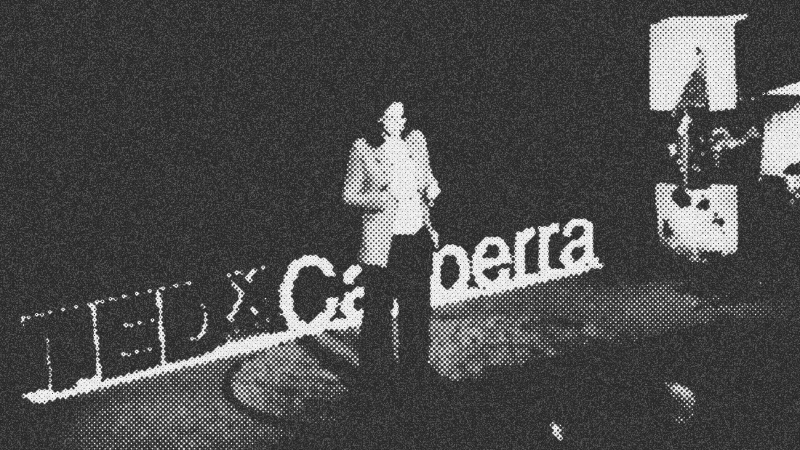
The unexpected power of human connection | Dr Kate Grarock | TEDxCanberra
WatchTEDx Talks // 12:41

TEDx is an international community that organizes TED-style events anywhere and everywhere -- celebrating locally-driven ideas and elevating them to a global stage. TEDx events are produced independently of TED conferences, each event curates speakers on their own, but based on TED's format and rules. For more information on using TED for commercial purposes (e.g. employee learning, in a film or online course), please submit a Media Request here: https://media-requests.ted.com.