Unlocking the Subconscious: Dreams, Symbols, and Creative Transformation
Dreams have captivated humanity since the dawn of consciousness, serving as a wellspring of creativity and a mirror reflecting the depths of our unconscious minds. Scott Ramon explores the profound impact of dreams on art, culture, and our understanding of ourselves, tracing their influence from ancient mythologies to modern artistic movements. Dreams, far from being mere nocturnal ramblings, connect us to a shared human experience, offering pathways to self-healing and creative inspiration.
The Bridge Between Worlds
At the heart of understanding dreams lies the concept of the axis mundi, a universal symbol, often represented by a tree, that connects the mundane with the spiritual. This bridge transcends cultures, appearing in Chinese and Norse mythologies, illustrating our innate desire to transcend our everyday existence. Dreams serve as this axis, linking our waking lives to the vast, unexplored territory of our unconscious. Through dreams, we grapple with unresolved issues, receive messages, and tap into a deeper understanding of ourselves.
Ancient Deities and Dreamscapes
Throughout history, various cultures have personified sleep and dreams through deities and sacred spaces. In Mesopotamia, Mamu, the gentle goddess, leads us into sleep, while Siig reigns over the dream world. The Canonites envisioned Shalem guiding them into the dusk, encouraging reflection before sleep. The Hawaiian concept of Moane, or 'soul sleep,' represents a sacred place where one connects with ancestors. Even the Roman deity Somnus, with his sterner approach to sleep, underscores the importance of rest. The Greek god Hypnos and his sons, each governing different aspects of dreams—human, animal, and even inanimate—highlight the pervasive nature of dreams across all existence.
Dreams and the Birth of Surrealism
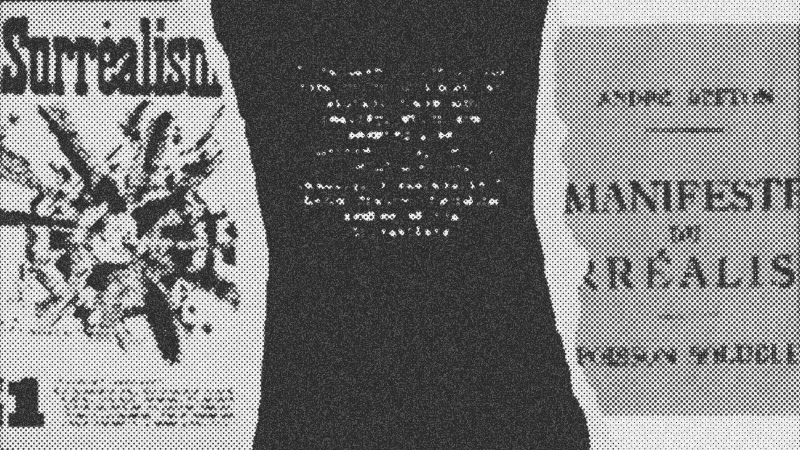
The late 19th and early 20th centuries witnessed a surge of interest in the power of dreams, fueled by Sigmund Freud's groundbreaking work on dream interpretation. This exploration of the unconscious resonated deeply with artists seeking to escape the disillusionment of the post-World War I world. The Dada movement, and later Surrealism, sought to tap into the unconscious mind as a source of artistic inspiration. Figures like André Breton, the writer behind the Surrealist manifesto, saw Freud's work as a blueprint for understanding and harnessing the power of dreams.
Surrealist artists employed techniques like juxtaposing unrelated imagery to unlock the creative potential of the unconscious. While Freud himself remained skeptical of Surrealism, the movement's impact on art and culture is undeniable. Max Ernst, for example, played a pivotal role in bringing Surrealism to America, influencing the development of Abstract Expressionism and Pop Art.
Jungian Archetypes and Collective Consciousness
Carl Jung expanded on Freud's work, exploring the concept of the collective unconscious and the shared symbols that permeate human experience. Jung's research revealed common motifs across cultures, such as the axis mundi and the Ouroboros (the snake biting its own tail), suggesting a deeper, interconnectedness of the human psyche. The Ouroboros, in particular, symbolizes cycles of life, death, and rebirth, and has even inspired scientific breakthroughs, such as the discovery of the benzene molecule by a scientist who dreamt of the symbol.
Dreams in Contemporary Culture
The influence of dreams extends into modern cinema, with filmmakers like David Lynch using dreamlike imagery to challenge audiences and explore the complexities of the human psyche. Aboriginal cultures in Australia maintain a deep connection to the 'dream time,' grounding their cultural practices in the wisdom and insights gleaned from their dreams. As art critic Jerry Saltz observes, artists act as shamans, channeling and bringing forth profound insights from the depths of our collective unconscious, often originating from dreams.
Embracing the Power of Dreams
Dreams offer a portal to self-discovery and creative inspiration. By keeping a dream journal, paying attention to recurring symbols and emotions, and exploring the narratives that unfold in our sleep, we can unlock the transformative potential of our unconscious minds. Just as ancient cultures turned to dream interpreters, we too can learn to decipher the symbolic language of our dreams, gaining a deeper understanding of ourselves and our place in the world. By embracing our dreams, we embrace a powerful tool for personal growth, creative expression, and a more profound connection to the human experience.
- Abstract Expressionism
- 4%· cultural movement
- America
- 4%· location
- André Breton
- 4%· person
- Australia
- 4%· location
- axis mundi
- 4%· concept
- Other topics
- 78%
Dreaming the World Awake | Scott Ramon | TEDxYouth@BWYA
WatchTEDx Talks // 13:52

TEDx is an international community that organizes TED-style events anywhere and everywhere -- celebrating locally-driven ideas and elevating them to a global stage. TEDx events are produced independently of TED conferences, each event curates speakers on their own, but based on TED's format and rules. For more information on using TED for commercial purposes (e.g. employee learning, in a film or online course), please submit a Media Request here: https://media-requests.ted.com.