Taylor: why looking poor is the fastest way to hit £1 million
Cultivating a Wealth-Building Mindset Through Discomfort
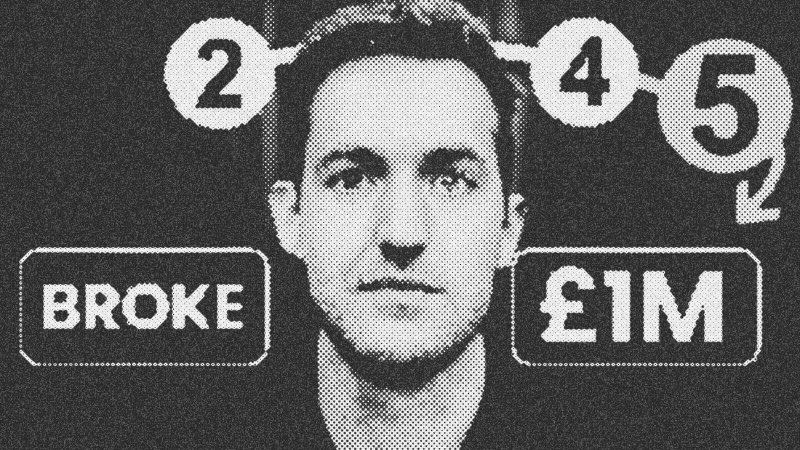
Building a seven-figure net worth requires more than a spreadsheet; it demands a psychological overhaul. Most people fail to accumulate wealth because they prioritize immediate gratification over long-term resilience. Michael Taylor argues that the first stage of wealth creation is embracing extreme discomfort. This means choosing the 20-hour bus ride over a flight to preserve capital or skipping a five-pound meal deal because you haven't budgeted for it. These small, disciplined choices accumulate into a psychological edge. When every pound is treated as a seed for future growth rather than a tool for temporary comfort, the trajectory of your financial life shifts. You must become comfortable with the internal friction of saying no to yourself today to ensure a more expansive tomorrow.
Tools for Financial Cultivation
To execute a sophisticated wealth strategy, you need specific structural tools and a rigorous audit of your current cash flow.
- Bank and Credit Statements: A full year's history to identify every automated leak.
- Dual-Color Highlighting System: A tactile method to differentiate between 'needs' and 'wants.'
- The Three-Bucket System: Separate accounts for short-term liquidity, medium-term goals, and long-term retirement.
- Tax-Advantaged Vehicles: Utilization of Cash ISA, Lifetime ISA, and SIPP to shield growth from the taxman.
- Low-Cost Global ETFs: A diversified vehicle such as the FTSE All-World ETF to capture global market returns passively.
Step-by-Step Roadmap to a Million
- Execute a Radical Audit: Print your statements and categorize every expense. Shift as many 'needs' as possible into the 'wants' column, then ruthlessly eliminate the non-essentials. Your goal is to maximize the surplus cash available for the next steps.
- Establish a Liquidity Buffer: Prioritize your savings bucket until you have three months of essential expenses. This provides the confidence to take career risks without the fear of immediate insolvency. Once high-interest debt is cleared, extend this to six months.
- Invest in Your Greatest Asset: Before touching the stock market, invest in yourself. Spending £200 on a certification that leads to a £2,000 pay rise represents a 900% return—far outperforming any index fund. Your income is the engine that powers your investment portfolio.
- Differentiate Assets from Liabilities: Stop purchasing items that suck money out of your pocket. A financed car is a liability; a Buy-to-Let property or a global ETF is an asset. Focus your capital on things that pay you to own them.
- Automate Your Portfolio: Set up a direct debit into a global tracker. By paying yourself first, you remove the decision-making friction that often leads to emotional spending. Use 'accumulation' units to ensure dividends are automatically reinvested for maximum compounding.
Troubleshooting the Wealth Journey
A common pitfall is the "dogma of homeownership." While property can be a leveraged win, it often functions as a liability that drains cash for repairs and limits career mobility. If you are early in your career, renting offers the optionality to move for higher-paying opportunities. Another hurdle is lifestyle creep—the tendency to increase spending as income rises. To combat this, maintain your 'looking poor' strategy even as your bank account grows. Ignore the status games of designer logos; as Michael Taylor notes, paying £2,500 for a bag that costs £50 to manufacture is a tax on those who prioritize appearance over substance.
The Inevitable Reward of Sustainable Growth
The expected outcome of this disciplined cultivation is not just a million-pound balance sheet, but financial sovereignty. By consistently investing—whether it's £250 or £1,000 a month—into a diversified FTSE All-World ETF at an 8% return, the mathematics of compounding become inevitable. You transition from a person who works for money to a person whose money works for them, harvesting the productivity of thousands of global workers while you sleep.
- FTSE All-World ETF
- 13%· products
- Michael Taylor
- 13%· people
- Amazon
- 7%· companies
- Apple
- 7%· companies
- Buy-to-Let
- 7%· products
- Other topics
- 53%
Give me 26 minutes and I'll show you how to make £1 million
WatchMichael Taylor // 25:56

If you're sick of melts with rented supercars and fake demo account P&Ls all spouting the same dumb phrases like "buy low, sell high", as if they're a reincarnated Steve Jobs back to offer morsels of business gold that we should be thankful for, then my channel is for you. I've been trading UK stocks for a living since 2016 ever since I borrowed £25,000 from Deutsche Bank. The goal of my channel is to help you grow your wealth without the bulls hit. Nothing is financial advice and is my opinion only. You can get started investing with a free share when you open an XTB account. Use code: MICHAEL https://www.xtb.com/en/join/MICHAEL XTB offers a Stocks & Shares ISA with 0% commissions on both stocks and ETFs, and pays out 4.25% interest on uninvested cash. Limited availability. Your capital is at risk. The value of the stock may fluctuate. T&Cs apply.