Kaletsky bets on consumer AI with $20M Creator Ventures fund
The shift from investment club to $20M venture powerhouse
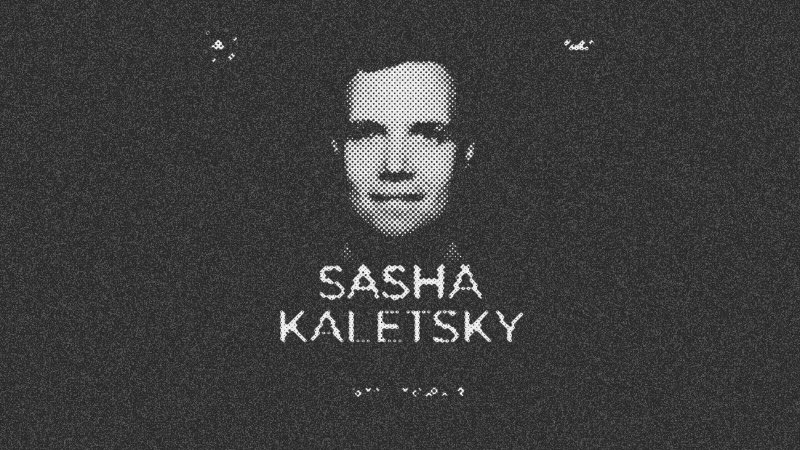
In the high-stakes world of venture capital, the transition from an informal investment collective to a structured institutional fund is a gauntlet that few survive. Sasha Kaletsky, Managing Partner of Creator Ventures, navigated this path by identifying a massive gap in the market: the intersection of content creator influence and consumer technology. What began in 2019 as a loosely organized group with a focus on early-stage deals has evolved into a $20 million fund specializing in the consumer internet sector.
The genesis of the firm lies in the strategic partnership between Kaletsky, who brings a rigorous private equity background from firms like Bridgepoint and operational experience at Uber, and his cousin Caspar Lee, a prominent creator and founder of influencer.com. This blend of institutional discipline and native digital expertise allows the fund to analyze brands through a lens that traditional VCs often lack—the ability to determine if a product has lasting cultural resonance or is merely a flash in the social media pan.
Why creator-led diligence is the new edge in consumer tech
Consumer founders today face a monumental hurdle: the spiraling cost of user acquisition and the volatility of social media algorithms. Creator Ventures addresses this by treating creator insights not as a marketing gimmick, but as a core component of investment diligence. While many investors claim to add value, the firm focuses on the mechanics of organic growth and influence marketing, providing founders with a roadmap to navigate the platforms that dictate their success.
This approach functions as a specialized form of "PhD-level" expertise for the consumer world. Just as a deep-tech founder seeks a GP with a background in machine learning, consumer internet founders are increasingly gravitating toward investors who understand the 10,000-hour mastery required to command attention in the attention economy. By analyzing how a brand uses social media to acquire users before the first check is ever cut, the firm enters the boardroom with a deeper understanding of the startup's go-to-market challenges than the competition.
Inside the early bets on beehiiv and Praktika.ai
The fund’s portfolio reads like a roster of the most disruptive players in the current tech cycle, including beehiiv, Praktika.ai, and ElevenLabs. The investment in beehiiv is particularly telling of the firm's philosophy. At a time when the market was saturated with newsletter tools like Substack and Mailchimp, Kaletsky saw a "super team" led by Tyler Denk. The conviction wasn't based on a finished product, but on the team's ability to execute based on their experiences at Morning Brew.
Similarly, the move into Praktika.ai demonstrates a methodology of deep sector immersion. Before backing the AI tutoring platform, the team had already scrutinized multiple competitors in the AI language learning space. When they encountered the Praktika.ai team, they were able to act with speed because they already knew what a winning model looked like. This underscores a critical venture lesson: speed is a byproduct of preparation. By tracking a space closely, investors can distinguish between a standard application and a transformative one.
Partner-led models vs. the bloat of mega-funds
Kaletsky is a vocal advocate for the partner-led fund model, contrasting it with the multi-layered hierarchies of large-cap private equity. In massive firms, information is often lost in a game of "Chinese whispers" as it moves from analysts to the investment committee. By maintaining a lean structure, Creator Ventures ensures that the individual speaking to the founder is the same person making the ultimate decision.
This proximity to the deal creates a more attractive environment for entrepreneurs who are tired of the repetitive and often bureaucratic processes of larger institutions. While the partner-only model makes it difficult to scale assets under management (AUM) or take time off, the benefit is a higher degree of decisiveness and the ability to make truly contrarian bets. For Kaletsky, the goal is not to become an "AUM gatherer" but to build the most efficient consumer internet fund with a compounding track record that spans decades.
Solving the defensibility crisis in the AI application layer
As the industry shifts from AI infrastructure to the application layer, the question of the "moat" has become the primary concern for VCs. Kaletsky views this through the historical lens of the S&P 500, noting that outside of regulated industries, consumer companies are the ones that survive for centuries. The defensibility in consumer AI is not just about the underlying technology—which can often be replicated—but about the flywheel effects of being the market leader.
When a company like Praktika.ai or Duolingo reaches scale, they gain a data advantage that allows for better product testing and monetization. This, in turn, fuels more aggressive marketing, which leads to more users. In the consumer world, the brand and the scale of the user base become the ultimate defensive barrier. The firm looks for founders who can roll with the punches of shifting technological paradigms while building these long-term flywheels.
Conclusion: The future of consumer internet and the $200M myth
The roadmap for Creator Ventures is one of measured growth and radical focus. Kaletsky dismisses the idea that success is measured by the size of the fund, arguing that the $200 million fund tier often distracts from the core mission of early-stage picking. By staying small and sector-specific, the firm can capitalize on the current lack of competition at the seed stage for consumer internet, where many multi-stage funds are hesitant to play until the revenue is already proven.
The future belongs to those who can bridge the gap between technical infrastructure, like the voice AI developed by ElevenLabs, and the practical consumer applications that will define the next decade. As AI continues to commoditize the "how" of product development, the "who"—the team and their ability to navigate the social distribution landscape—remains the only true differentiator in the market.
- Creator Ventures
- 17%· companies
- Praktika.ai
- 17%· products
- beehiiv
- 8%· products
- ElevenLabs
- 8%· products
- Bridgepoint
- 4%· companies
- Other topics
- 46%
Sasha Kaletsky, Managing Partner @ Creator Ventures
WatchThe Riding Unicorns Podcast // 45:57

A podcast featuring the world's best minds from venture and startups. Hosted by James Pringle & Hector Mason.