Callum Taylor reveals ITV provides 50 percent matched funding for scaleups
The commercial incubator model for disruptive brands
For most founders, television remains a fortress protected by massive media agencies and seven-figure entry costs. Callum Taylor, Head of AdVentures Ignite at ITV, is dismantling that perception. Since 2019, the broadcaster has pivoted from being a passive screen for legacy giants to a strategic partner for high-growth challengers. The ITV AdVentures brand functions as a commercial incubator, offering two primary pathways: Ignite, a non-equity program providing matched funding, and Invest, a media-for-equity model where ITV takes a minority stake in promising businesses in exchange for advertising inventory.
This shift isn't just about selling airtime; it is a calculated gamble on the next generation of market leaders. By aligning incentives, the broadcaster ensures that a startup's success directly correlates with their own. This partnership model targets brands that have hit a performance plateau on digital channels—the "demand pool"—and need the sheer mass of broadcast reach to break through to a broader audience. It represents a fundamental change in how media giants view their role in the ecosystem, moving from a wholesale model to a vested interest in founder success.
Media for equity offers a non-cash scaling lever
One of the most potent tools in the ITV arsenal is the media-for-equity model. This mechanism allows a broadcaster to diversify its revenue streams beyond traditional cash advertising. For the startup, it is a way to preserve precious cash runway while gaining access to the UK's largest commercial reach. Callum Taylor notes that this space has matured significantly, following the lead of early movers like Channel 4 Ventures and UKTV Ventures.
By trading equity for inventory, founders can achieve what Callum Taylor calls "big budget energy." This allows a challenger brand to sit in the same ad breaks as McDonald's or Apple, instantly borrowing the gravitas and trust associated with ITV1. The model works best for products with broad appeal that can handle the sudden surge in demand that follows a national campaign. It is a strategic move for venture-backed companies that need to accelerate brand building without a massive cash outlay, effectively using their valuation to buy market share.
Challenging the myth of million-pound entry costs
A persistent barrier to TV adoption is the belief that a campaign requires a million-pound commitment. Callum Taylor argues that for many, a regional approach provides a much cleaner, more affordable read on performance. Using ITV's regional footprints, a brand can test the water in specific areas like the North or Anglia for as little as £30,000 to £50,000. When paired with the Ignite program’s matched funding, the cash cost to the founder is effectively halved.
Even more surprising is the accessibility of niche channels like ITV3. Callum Taylor cites an example of an app targeting the 45-plus demographic that launched a national campaign for under £10,000. This level of transparency is rare in traditional broadcast. By breaking the national pie into smaller, regional, or demographic bites, ITV is making television a viable channel for Series A and even seed-stage companies that have found their product-market fit but lack the capital for a massive national rollout.
Digital precision meets broadcast scale via Planet V
Modern television is no longer just a one-to-many broadcast tool; it has integrated the surgical precision of digital marketing. ITV has scaled ITVX to over 40 million registered users, transforming it into a data-rich streaming platform. Through their programmatic video platform, Planet V, founders can book campaigns with the same self-service autonomy they use for Instagram or Google ads.
This tech stack allows for highly sophisticated targeting, such as the Matchmaker tool developed with Tesco Dunnhumby. This allows brands to serve ads based on actual shopping habits—for instance, targeting users who have previously purchased pet food. Furthermore, automated contextual targeting (ACT) uses subtitles to analyze show content in real-time. If a dog appears on screen, a pet food brand’s ad can be cued for the very next break. This level of synchronization ensures that the ad feels like a relevant extension of the viewing experience rather than an intrusion.
Breaking the performance plateau and the multiplier effect
A critical insight for founders is the "multiplier effect" that TV has on existing digital spend. While many startups obsess over short-term attribution windows, Callum Taylor explains that injecting TV into the mix makes every other channel work harder. It builds a foundation of trust and awareness that lowers the cost per acquisition (CPA) on social media and search. When a consumer sees a brand on ITV, the subsequent Instagram ad is no longer a cold pitch; it is a reminder from a trusted entity.
Callum Taylor points to Spoke, a premium menswear brand, as a prime example. Initially focused on short-term spikes and immediate CPAs, the Spoke team eventually realized that the true power of TV lay in brand building that fueled the entire funnel. By moving away from purely transactional metrics and viewing TV as a long-term growth engine, they were able to bust through the performance wall that often stalls digitally native brands.
Measuring what matters beyond the click
Measurement remains the greatest hurdle and the greatest opportunity. Callum Taylor warns against the danger of evaluating a brand awareness campaign using short-term sales metrics. This misalignment often leads to the false conclusion that TV isn't working. To counter this, ITV utilizes tools like GeoX to provide clean reads on regional tests. By comparing a region with TV coverage against a control region without it, founders can see the true incremental lift in business performance.
This approach requires a mindset shift from founders and their boards. It’s about moving from a "click-through" culture to one that understands the value of being talked about when you aren't in the room. As Callum Taylor notes, ITV will often tell a brand they aren't ready for TV if the budget or product isn't at the right stage. This honesty is central to their strategy of building long-term, high-value partners rather than one-off sales. For the visionary founder, the message is clear: television is no longer out of reach; it is the ultimate scaling tool waiting to be ignited.
- Callum Taylor
- 20%· people
- ITV
- 20%· companies
- 4%· products
- Spoke
- 4%· companies
- AdVentures Ignite
- 2%· products
- Other topics
- 50%
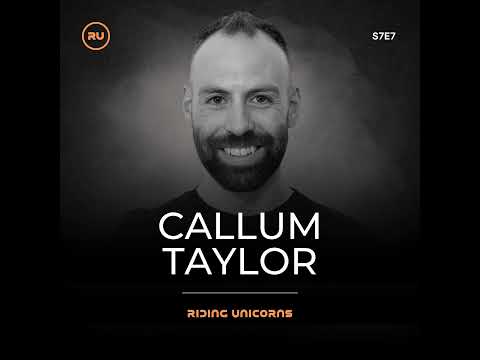
Callum Taylor, Head of ITV AdVentures Ignite @ ITV
WatchThe Riding Unicorns Podcast // 43:02

A podcast featuring the world's best minds from venture and startups. Hosted by James Pringle & Hector Mason.