Farage and Jenrick weaponize Judeo-Christian labels to exclude Islam
The Rise of Selective Religious Identity
A new rhetorical shift is taking hold in British political discourse. High-profile figures like Nigel Farage and Robert Jenrick are increasingly leaning on the term Judeo-Christian culture to define national identity. This linguistic pivot suggests a unified front between Jewish and Christian traditions, yet critics argue it serves less as a theological bridge and more as a political boundary. The sudden prominence of the term marks a departure from traditional secular or broadly Christian messaging, signaling a move toward a more exclusionary cultural defense.
The Rhetorical Strategy of Exclusion
The use of Judeo-Christian culture is frequently framed as a defense of Western values, but its true utility lies in what it leaves out. By specifically tethering Judaism to Christianity, speakers effectively isolate Islam from the Western narrative. This selective grouping ignores the shared Abrahamic roots that connect all three faiths. While political leaders claim to be protecting religious heritage, their lack of engagement with actual theological practice—evidenced by Robert Jenrick misidentifying Palm Sunday as "Psalm Sunday"—suggests the terminology is a tool for identity politics rather than a reflection of faith.
Reclaiming the People of the Book
Scholars and analysts point to a more historically accurate categorization: People of the Book. This phrase encompasses the three monotheistic religions that share a lineage through the prophet Abraham. Islam, Christianity, and Judaism all worship the same God and maintain similar moral frameworks. To bifurcate this group by removing the Islamic component is a deliberate act of cultural engineering. It transforms a shared theological history into a weapon of "us versus them," often serving as a proxy for racialized rhetoric.
Implications for Social Cohesion
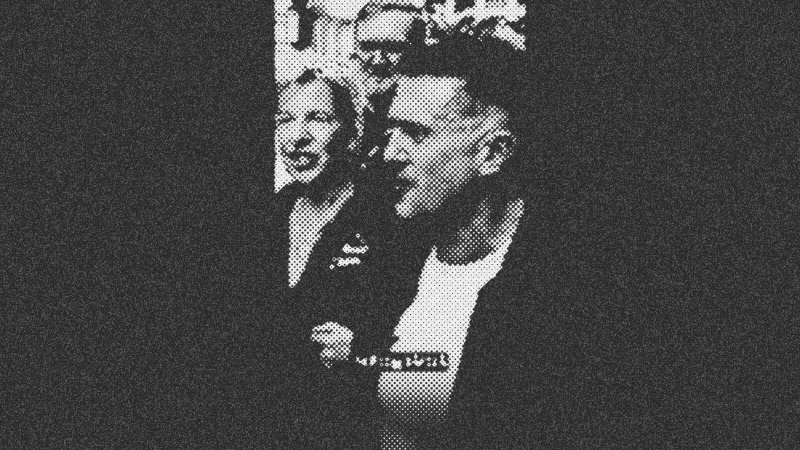
As these terms move from the fringes of protest marches, such as those led by Tommy Robinson, into the mainstream political vocabulary, the stakes for social cohesion rise. The shift from secularism to a specifically "Judeo-Christian" identity creates a hierarchy of belonging. If the political class continues to adopt this terminology to signal "whiteness" or Western superiority, it risks alienating millions of citizens who fall under the broader Abrahamic umbrella but find themselves surgically removed from the national story.
- Islam
- 17%· religions
- Judeo-Christian culture
- 17%· topics
- Robert Jenrick
- 17%· people
- Christianity
- 8%· religions
- Judaism
- 8%· religions
- Other topics
- 33%
Happy Psalm Sunday, Robert Jenrick.
WatchThe Rest Is Politics // 1:17

Two men who’ve been at the heart of the political world - former Downing Street Director of Communications and Strategy Alastair Campbell and cabinet minister Rory Stewart - join forces from across the political divide. The Rest Is Politics lifts the lid on the secrets of Westminster, offering an insider’s view on politics at home and abroad, while bringing back the lost art of disagreeing agreeably. Powered by Fuse Energy ⚡