Nolan cuts Homer down to size in 130 epic pages
The Boldest Adaptation of the Bronze Age
Condensing the sprawling, non-linear expanse of Homer's ancient poem into a single, cohesive cinematic experience is a task most directors would flee. Yet, in The Odyssey, director Christopher Nolan manages to preserve the epic’s emotional core while streamlining its labyrinthine structure. This is not a dry, historical reenactment. It is a masterclass in tension, adapting the Bronze Age collapse for an audience accustomed to modern cinematic scales. It reframes the ancient world not as a museum piece, but as a living, breathing nightmare of survival.
Splitting the Myth from the Reality
The film succeeds by drawing a brilliant structural line between domestic realism and wild, mythological exaggeration. On one side, Telemachus—played with fragile, budding heroism by Tom Holland—and his mother Penelope represent the stark, brutal reality of Ithaca. On the other side, Odysseus, portrayed by Matt Damon, lives in the myth. His journeys resemble a massive, ancient game of telephone, where monsters like the Cyclops are born from the embellishments of repeated campfire stories. By maintaining this ambiguity, the film honors the oral tradition of Greece, where history and legend blur into a single narrative thread.
Acting in the Unforgiving Eye of IMAX
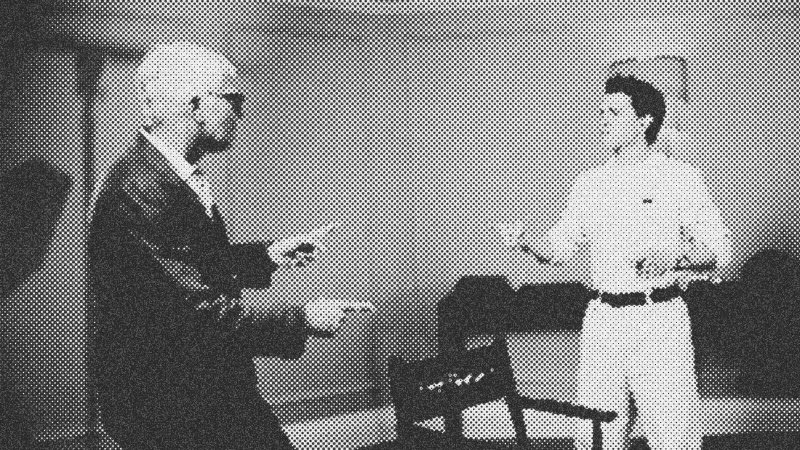
Shooting on high-resolution IMAX cameras strips away any place for actors to hide. It demands subtle, restrained performances. The film benefits immensely from this technical constraint. As Telemachus, the younger Holland plays his character with a naive hopefulness, capturing the transition from a boy waiting for a mythic father to a young man realizing that father is merely human. Anne Hathaway delivers a ferocious, standout performance as Penelope. Rather than portraying her as a passive victim of the suitors, she plays her as a ruler fighting a desperate, twenty-year war of attrition to protect her kingdom.
The Haunting Specter of the Sea Peoples
Perhaps the most thrilling deviation from the source material is the introduction of the Sea Peoples. Historically responsible for the collapse of Mycenaean civilization, these mysterious invaders act as an eerie, apocalyptic threat lingering at the edges of the narrative. This brilliant creative choice infuses the film with a sense of impending doom, reminding us that even if Odysseus makes it home, the world he fought to return to is already crumbling. It elevates the film from a simple tale of homecoming to a grand tragedy of historical collapse.
- Anne Hathaway
- 13%· people
- Christopher Nolan
- 13%· people
- Matt Damon
- 13%· people
- Odysseus
- 13%· people
- Penelope
- 13%· people
- Other topics
- 38%
Friend of the Show: Tom Holland Meets Tom Holland to Chat All Things The Odyssey
WatchThe Rest Is History // 17:08

Take a deep dive into History’s biggest moments with Tom Holland & Dominic Sandbrook. Explore the stories of History’s most brutal rulers, deadly battles, and world-changing events. From the rise and fall of the Roman Empire, the Nazi conquest of Europe, and Hitler’s evil master plan for world domination, to the French Revolution, the sinking of the Titanic, or the Norman Conquest of England in 1066, Tom and Dominic bring the past to life with gripping storytelling and expert analysis, as they unpack the high-drama moments that shaped our world.