Nolan's Odyssey trailer reveals a fractured, mythic vision of Homer's epic
The Primal Epic Meets Fractured Cinema
Christopher Nolan tackles The Odyssey, translating Homer's monumental narrative into a cinematic experience. Historian Tom Holland analyzed the first glimpses of this adaptation, highlighting how the epic fits Nolan's signature storytelling style. The director's obsession with fractured timelines, memory, and multiple narrative tracks aligns perfectly with the ancient Greek poem. The original epic starts not with Odysseus himself, but with his son Telemachus confronting a home overrun by predatory suitors. This multi-layered structure mirrors Nolan's complex cinematic frameworks.
Nostos and the Nightmares of Colonization
At the heart of the story lies nostos—the agonizing, ten-year struggle to return home. Holland notes that Odysseus sails a ship design matching the eighth or seventh century BC, the era when Greek colonists first ventured into the western Mediterranean. The terrifying monsters Odysseus encounters, such as the Cyclops Polyphemus, refract the actual anxieties of those early seafaring settlers who faced the unknown. This historical grounding gives the cinematic visuals a deeper anthropological weight, shifting the narrative from simple fantasy to cultural memory.
Cleverness, Shrouds, and the Shadow of Ithaca
The adaptation showcases the intellectual parity between Odysseus and his queen, Penelope. She remains as cunning as her husband, famously delaying her suitors by weaving and unpicking a burial shroud. On screen, Penelope stands before her loom holding Odysseus's massive bow, a weapon only a true hero can string. Meanwhile, Telemachus finds his courage under the guidance of Athena, the goddess of intelligence, who urges him to claim his heritage. This dynamic highlights the theme of domestic resistance alongside physical survival.
The Cyclopean Stone and Ancient Fossils
Visual details in the architecture of Ithaca reference cyclopean stonework, reflecting the massive Mycenaean citadels that later Greeks believed only giants could build. Similarly, the design of the one-eyed Polyphemus links back to historical paleontology. Ancient Greeks likely discovered prehistoric mastodon fossils on Sicily; the central nasal cavity of these elephant skulls easily resembled a single giant eye socket. Nolan integrates these rich mythological layers into a sweeping, IMAX-scale vision that honors both archaeology and folklore.
Trickery Over Force at the Gates of Troy
The infamous Trojan Horse serves as the ultimate symbol of Odysseus's cunning. The Greeks spent ten fruitless years trying to breach the walls of Troy before turning to deception. Inside the wooden beast, the heroes faced their final, psychological test as Helen of Troy mimicked the voices of their distant wives. Odysseus held his men silent through sheer stoicism, preventing a disastrous premature discovery. This pivotal moment establishes the psychological grit that defines Odysseus's entire journey back to Ithaca.
- Athena
- 11%· people
- Christopher Nolan
- 11%· people
- Homer
- 11%· people
- Odysseus
- 11%· people
- Penelope
- 11%· people
- Other topics
- 44%
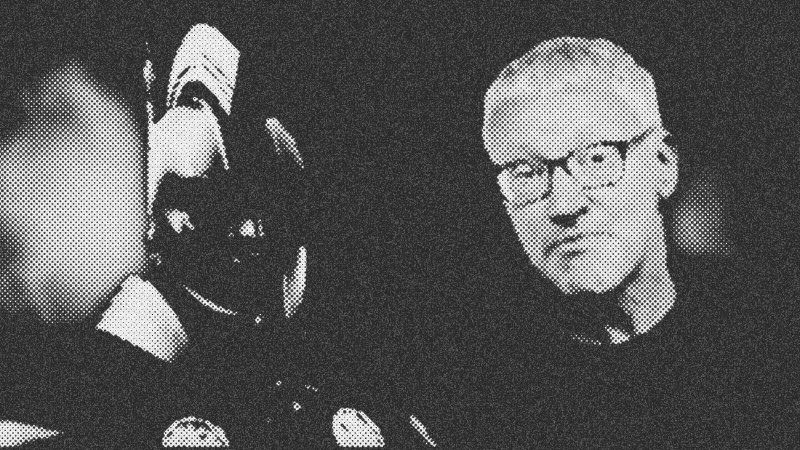
Tom Holland Reacts to Christopher Nolan's The Odyssey Trailer
WatchThe Rest Is History // 20:18

Take a deep dive into History’s biggest moments with Tom Holland & Dominic Sandbrook. Explore the stories of History’s most brutal rulers, deadly battles, and world-changing events. From the rise and fall of the Roman Empire, the Nazi conquest of Europe, and Hitler’s evil master plan for world domination, to the French Revolution, the sinking of the Titanic, or the Norman Conquest of England in 1066, Tom and Dominic bring the past to life with gripping storytelling and expert analysis, as they unpack the high-drama moments that shaped our world.