Potato club sandwich replaces bread with doughy rounds in retro revival
Seventies kitchen relic finds new life
Vintage cookbooks often harbor culinary atrocities, but Gwen Robyns offers a compelling argument for the potato-as-bread movement in her 1970s collection. The Potato Club Sandwich reimagines the classic breakfast stack by eliminating traditional grain-based bread entirely. This isn't merely a hash brown patty; it is a structured dough composed of boiled mashed potatoes and flour, rolled to a precise 7mm thickness. The result is a substantial, starchy vehicle designed to support the heavy lifting of bacon and eggs.
Structural integrity through simple chemistry
The primary challenge with potato-based "bread" is the tendency for starch to disintegrate upon contact with heat. However, the Gwen Robyns ratio of potato to flour—roughly 400g of each—creates an elastic, workable dough that maintains its form during the fry. Searing these rounds in butter provides a golden, crispy exterior while preserving a soft, slightly chewy center. This technique solves the common failure of home-style potato cakes that often crumble into a greasy mess in the pan.
Crispy textures meet classic fillings
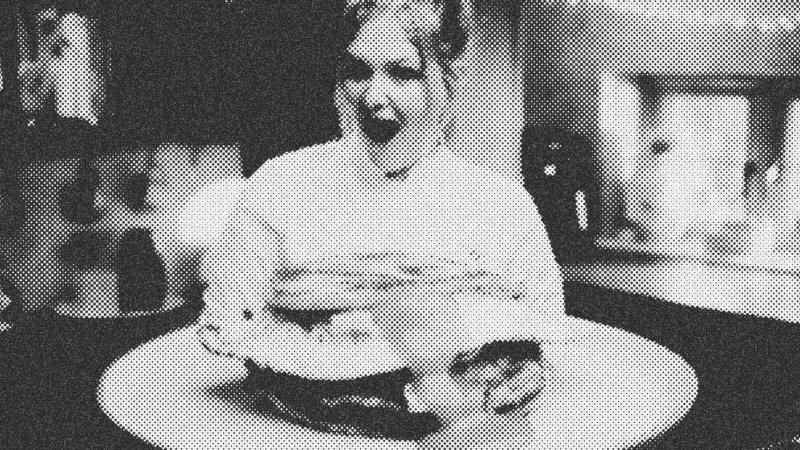
A sandwich is only as strong as its weakest layer. The assembly requires high-heat execution: streaky bacon rendered until brittle and a fried egg with a definitive crispy bottom. Achieving an "over-easy" finish ensures a liquid yolk that acts as a natural sauce for the dense potato rounds. While the recipe is deceptively simple, the interaction between the buttery potato dough and the salty bacon fat creates a rich, indulgent profile that feels both nostalgic and innovative.
Final verdict on the potato bread experiment
The Potato Club Sandwich earns a definitive recommendation for those seeking a gluten-alternative or a more satisfying weekend brunch. The potato rounds offer a superior texture to many ultra-processed breads, providing a clean, whole-food base that feels surprisingly modern. Despite the lack of complex seasoning in the original text, the fundamental technique is sound. It is a robust, "filthy" breakfast that honors the ingredient while proving that some 1970s ideas were far ahead of their time.
- Gwen Robyns
- 50%· people
- Potato Club Sandwich
- 50%· products
Potato Queen vs. 1970s Potato Club Sandwich
WatchPoppy Cooks // 10:06
