Elevating the 1970s Potato Meringue: A Masterclass in Savory Technique
The Unexpected Heritage of Potato Meringues
Culinary history often hides treasures behind eccentric titles. The Potato Meringue, sourced from The Gwen Robyns Potato Book, is a fascinating study in texture and structural integrity. While the name suggests a sugary dessert, this dish is a sophisticated savory preparation. It challenges the cook to treat humble mashed potato with the same delicacy as a French patisserie base, resulting in a dish that bridges the gap between a side and a standalone appetizer.
Essential Mise en Place
Success begins with ingredient quality and preparation. You will need smooth, well-passed mashed potatoes, a large egg (separated), high-quality butter, and a robust, sharp cheese. For the assembly, have a block of cold cream cheese ready. The tools are just as critical: a pristine, dry whisking bowl for the whites and a heavy-bottomed mixing bowl for the potato base. Any trace of fat in your whisking bowl will ruin the protein structure of the egg white.
Mastering the Feather Touch
Combine the egg yolk, melted butter, and grated cheese into the potato base. Season aggressively with salt and black pepper; the starch requires it. The technical crux lies in the egg white. Whisk it until it reaches stiff, standing peaks. When integrating the two, use a "feather touch." Do not stir. Instead, cut through the center with a spatula and lift the potato over the whites. This preservation of air prevents the mixture from becoming a dense, flat puck.
Baking and Assembly Strategy
Since vintage recipes like those from Gwen Robyns often omit specifics, set your oven to 180°C (convection). Form the mixture into small mounds on a greased tray, perhaps adding a small "nip" or peak to encourage browning. Bake until the exterior achieves a golden, shattered-glass crispness. Once cooled, sandwich two mounds together with a generous smear of cream cheese. The result is a savory Macaroon-style bite that offers a sharp, creamy contrast to the earthy potato crust.
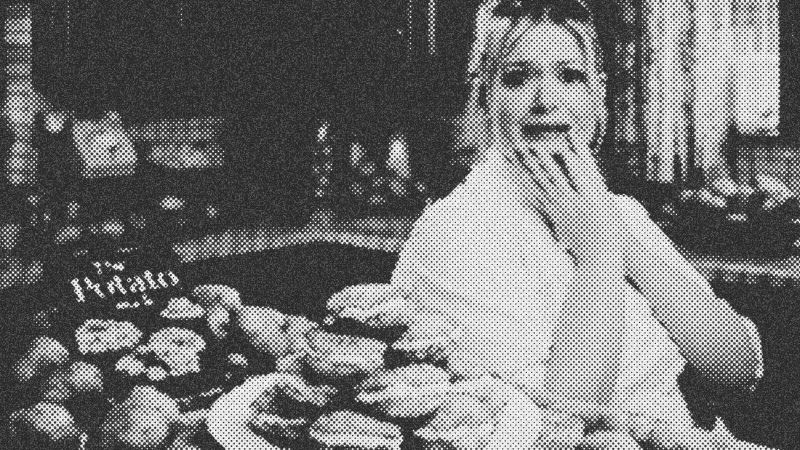
Troubleshooting the Texture
If your meringues flatten, your potato mash was likely too wet or your folding too heavy. The goal is a result similar to a Duchess Potato but with a lighter, airy interior. Respect the cooling process; if you apply the cream cheese to a warm potato mound, it will melt and lose the structural contrast that makes this 1970s relic a surprising culinary triumph.
- cream cheese
- 14%· products
- Duchess Potato
- 14%· products
- Gwen Robyns
- 14%· people
- Macaroon
- 14%· products
- mashed potato
- 14%· products
- Other topics
- 29%
I Made 1970s POTATO MERINGUES... Why Did This Exist?!
WatchPoppy Cooks // 11:44
