UK savers lose £18 billion as stagflation breaks traditional portfolios
The Toxic Duo of High Prices and Stagnation
Stagflation represents a unique economic paralysis where high inflation and weak growth collide. Unlike demand-driven inflation, which Central Bank cool by raising interest rates, stagflation usually stems from supply-side shocks like energy spikes or broken trade routes. When growth is already fragile, raising rates to fight inflation risks crushing the economy, while cutting rates to stimulate growth only fuels the fire. This creates a policy trap that can last a decade, as seen during the 1970s oil crisis.
Why Your Diversified Portfolio is Failing
The traditional 60/40 portfolio—comprising 60% stocks and 40% bonds—relies on a negative correlation between the two asset classes. In normal times, when stocks fall, bonds rise. However, during stagflation, this relationship turns positive. In 2022, both stocks and bonds dropped roughly 18% simultaneously, resulting in a real-term loss of 24%. When inflation is supply-driven, bonds lose their hedging power, leaving investors with nowhere to hide in a conventional allocation.
The Psychology of the Cash Trap
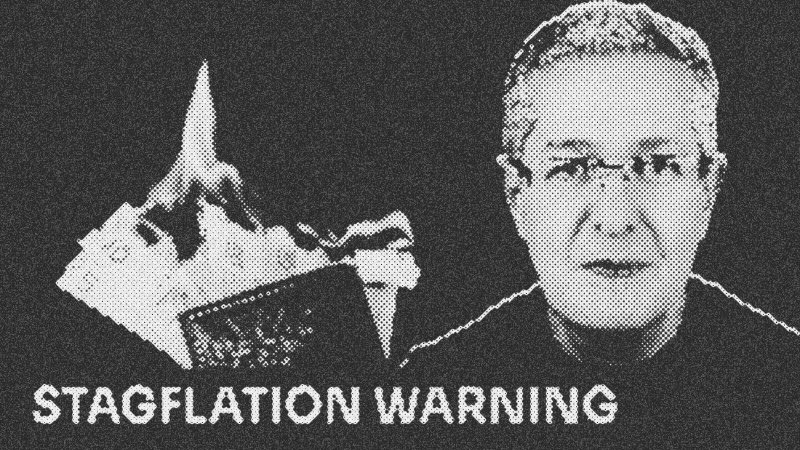
Many investors retreat to cash during volatility, falling victim to "money illusion." While your bank balance may stay the same or grow slightly, your purchasing power evaporates. Ramin Nakisa notes that United Kingdom savers lost approximately £18 billion in purchasing power in 2025 alone. A £50,000 balance from 2020 would require roughly £62,000 today just to maintain the same standard of living. Sitting in cash during a high-inflation regime is not a neutral act; it is a guaranteed real-term loss.
Practical Hedges for a New Regime
To survive this environment, portfolios must tilt toward real assets. Historical data from Schroders suggests that during stagflationary periods, Gold has delivered real returns of 22% per year, while broad commodities returned 15%. Within the stock market, energy firms and consumer staples offer protection because they possess pricing power. Crucially, investors should avoid long-duration bonds, which are highly sensitive to rising yields. Short-dated inflation-linked bonds or floating-rate instruments provide a more resilient path for fixed-income exposure.
- Bonds
- 7%· products
- Commodities
- 7%· products
- European%20Central%20Bank
- 7%· organizations
- Gold
- 7%· products
- Inflation
- 7%· concepts
- Other topics
- 67%
Stagflation Warning: How To Protect Your Money
WatchPensionCraft // 15:19

My name is Ramin Nakisa and I started PensionCraft in 2016 as I felt strongly that I wanted to teach people how to invest well for themselves so they could stop making costly mistakes and losing their money through having to pay unnecessarily high fees. Before starting PensionCraft, I worked in investment banking as a strategist and I was a frequent contributor on CNBC and Bloomberg TV. I have written two books about finance and investment: one for professional investors and one that explains how to buy and sell volatility using exchange-traded products. I publish a new video on YouTube every Saturday and you can join me for a live Q&A on the 1st Thursday of every month at 7pm UK time. If you want to learn how to become a better investor then why not join our friendly membership at pensioncraft.com?