Echoes of Thought: Unveiling Neuralink's PRIME Study and the Quest for Neurological Reclamation
Introduction: Bridging the Neurological Divide
Humanity consistently seeks to transcend physical limitations, a pursuit echoing through the annals of history. Today, the PRIME Study, initiated by Neuralink, marks a compelling modern chapter in this enduring quest, focusing on the sophisticated interface between thought and external control. It represents a meticulous exploration into restoring agency for those facing profound neurological challenges.
Key Concepts: The Brain-Computer Interface
The Brain-Computer Interface (BCI) stands as the cornerstone of this investigative endeavor. A BCI establishes a direct communication pathway between the brain and an external device. It bypasses the body's natural output mechanisms, creating a new avenue for interaction. This foundational concept underpins the transformative potential inherent in Neuralink’s clinical trial.
Detailed Explanation: The PRIME Study
The Study's Foundational Objectives
The PRIME Study – short for Precise Robotically Implanted Brain-Computer Interface – stands as a pioneering investigational medical device trial. Its primary aims are dual: to scrupulously evaluate the safety of the implanted device and its surgical robotic counterpart, and to rigorously assess the initial functionality of the Brain-Computer Interface for thought-controlled device operation.
The Neuralink Implant: Architecture and Function
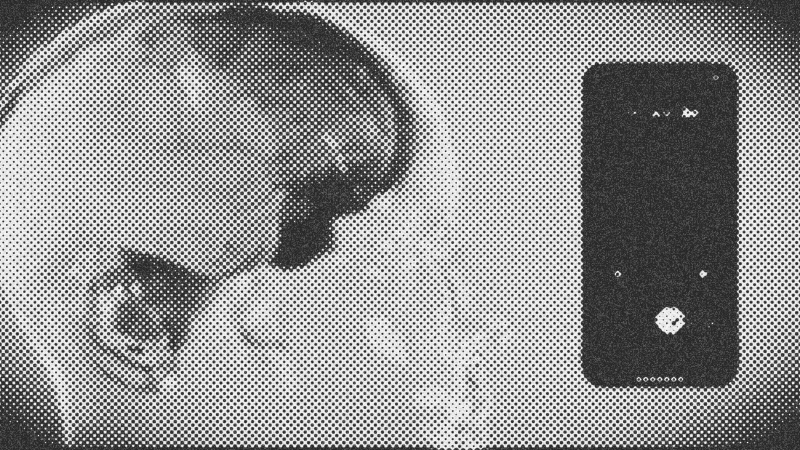
Neuralink’s technology manifests as a compact, cosmetically invisible implant. Surgeons precisely place this device within the brain region responsible for movement planning. Once situated, the implant diligently interprets a person’s neural activity. This interpretation allows individuals to operate computers or smartphones simply by intending a movement, without requiring any physical action or external wires.
Target Population and Restorative Potential
The PRIME Study specifically targets individuals diagnosed with Quadriplegia, whether from a Spinal Cord Injury (SCI) or Amyotrophic Lateral Sclerosis (ALS). For these participants, the BCI offers the profound potential to reclaim control over external digital devices through the power of thought alone, charting a course toward renewed independence.
Implications and Relevance
This research holds immense relevance, not merely as a technological advancement, but as a profound redefinition of human interaction with the world. It echoes ancient human narratives of overcoming adversity, offering a contemporary blueprint for augmenting capability and redefining what it means to connect with one's environment through pure intention.
Conclusion: A Glimpse into the Future
The PRIME Study represents a pivotal step in neurotechnology, marking the first human application of its kind. It lays the groundwork for safer, more efficacious implantation methods and promises to restore, and indeed enhance, computer control and other critical capabilities, thus shaping a new frontier for human agency.
- PRIME Study
- 36%· products
- Brain-Computer Interface
- 18%· products
- Neuralink
- 18%· companies
- amyotrophic lateral sclerosis
- 9%· diseases
- quadriplegia
- 9%· diseases
- spinal cord injury
- 9%· diseases
Neuralink’s Clinical Trial
WatchNeuralink // 1:33
