Elisha Otis axe demonstration sparked the skyscraper revolution
In the mid-19th century, urban skylines remained stubbornly low to the ground. While the industrial age hummed with potential, people lived and worked in a world rarely exceeding four stories. The primary barrier wasn't architectural capability; it was a deep, visceral fear. Elevators existed, but they were treacherous cages prone to sudden, lethal plunges. This lack of trust meant that the top floors of buildings were the least desirable, reserved for storage or the poor, while the wealthy stayed close to the pavement. New York was a horizontal city waiting for a reason to grow up.
The inventor who built a better brake
Enter Elisha Otis, a man who realized that the problem with the elevator wasn't the lift—it was the fall. He engineered a solution: automatic safety brakes that would kick in the moment a cable snapped. Despite his technical success, the public remained skeptical. No one wanted to be the first to test a device that had a reputation for turning into a coffin. Elisha Otis found himself with a revolutionary product and zero buyers, leading him to realize that logic alone wouldn't win over a terrified market.
A high stakes gamble at the World Fair
In 1854, Elisha Otis took a massive risk at the New York World's Fair. He didn't just display a model; he turned himself into the main attraction. He stood on an elevator platform suspended high above a gasping crowd, hanging by a single rope. To the horror of the onlookers, he ordered an assistant to swing an axe and cut the line. The rope snapped, the platform jerked, and the crowd screamed. Then, silence. The automatic brakes bit into the guide rails, stopping the descent after a mere two feet.
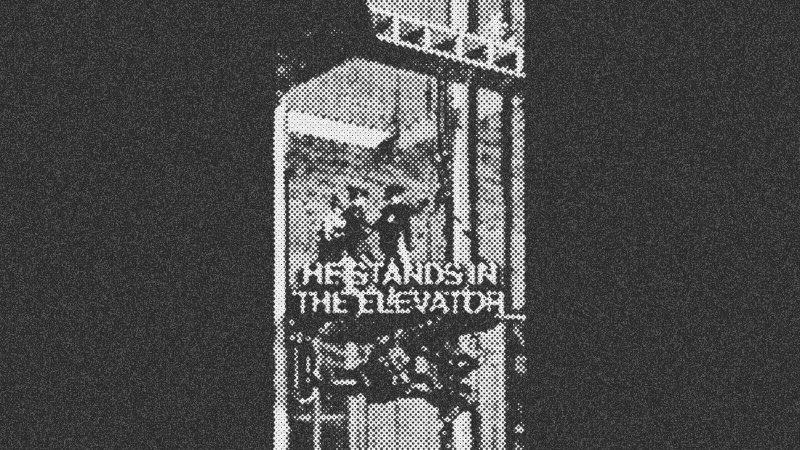
How two feet of safety reshaped the modern city
"All safe, gentlemen," Elisha Otis famously proclaimed from his perch. That single moment of theatrical bravery shattered the psychological barrier holding back urban development. Sales for Otis Worldwide skyrocketed, and the architecture of the world shifted forever. The "safe elevator" allowed cities to grow vertically, turning the penthouse into the ultimate status symbol and paving the way for the modern skyscraper. Every skyline in the world today stands as a monument to a man who was willing to bet his life on a piece of spring steel.
- Elisha Otis
- 57%· people
- New York
- 14%· places
- New York World's Fair
- 14%· events
- Otis Worldwide
- 14%· companies
This Man Invented the World's First Safe Elevator
WatchMy First Million // 1:02

two guys, talking about business. we've done it (sold our companies), and now we talk about new ideas, opportunities, and investments. hosted by Shaan Puri & Sam Parr -- produced by Hubspot. sometimes we bring on guests ranging from billionaires to stay at home moms who've got side hustles that are bringing in $10k a month. we like to have fun, and talk about business stuff.