Tom Freston offers Zuckerberg $1.7 billion as MTV chases digital dominance
The $1.7 billion offer Zuckerberg didn't want
In early 2005, a 21-year-old Mark Zuckerberg walked into the MTV offices in Times Square. He was wearing a hoodie and flip-flops in the middle of February. At the time, Facebook was a niche network for college students generating a modest $8 million in annual revenue. Tom Freston, then-CEO of Viacom, recognized the tectonic shift toward social media. He didn't just see a website; he saw the end of the gatekeeper era. After intense negotiations, Freston put a staggering $1.7 billion offer on the table—$900 million in cold cash and the rest in performance-based earnouts.
Zuckerberg turned him down. He wasn't looking for an exit; he was looking to grow his tree to the sky. This refusal remains one of the most legendary "what if" moments in media history. While Microsoft and Yahoo were also circling, Freston’s bid represented a visionary attempt to merge legacy cable dominance with the nascent digital frontier. Freston understood that the monoculture was fracturing. To survive, his empire needed to own the platforms where 20-year-olds were spending their time, not just the channels they were watching.
From India’s textile factories to the top of cable
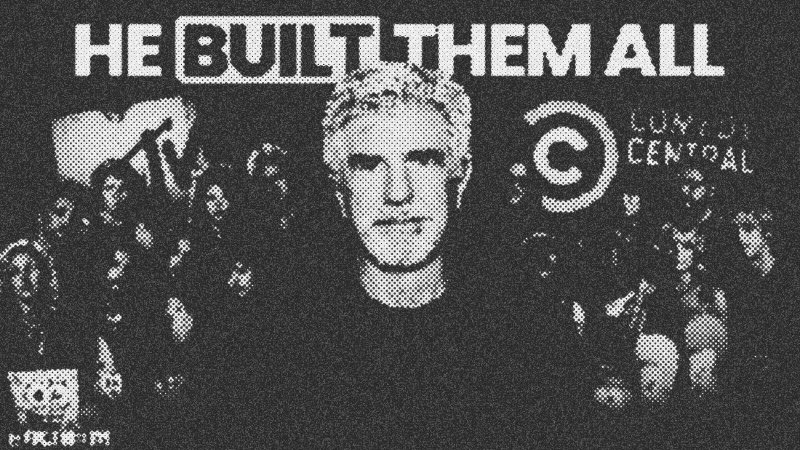
Freston's journey to media royalty wasn't a straight line through corporate America. At 33, he was broke. He had spent his 20s as an entrepreneur in India and Afghanistan, building a vertically integrated clothing business that reached $8 million in revenue before a Jimmy Carter embargo wiped him out. He returned to New York with nothing but debt and a copy of What Color Is Your Parachute?. That self-help classic convinced him that his skills were transferable, leading him to join a small seven-person development team at Warner-Amex Satellite Entertainment Company.
This team was tasked with launching a radical concept: narrowcasting. In an era where ABC, NBC, and CBS tried to be everything to everyone, Freston and his cohort decided to be one thing to one person. They built "places, not shows." MTV and Nickelodeon weren't just channels; they were identities. They leveraged geostationary satellites to bypass broadcast towers, a move that felt like science fiction in the early 80s. With a $25 million seed investment, they began chipping away at the broadcast monopoly, which then held a 95% market share.
The high-margin machinery of Nickelodeon and MTV
While MTV defined the cultural zeitgeist, it was Nickelodeon that became the company’s true financial engine. Freston describes the network as a high-margin money machine fueled by three distinct revenue streams: cable subscribers, advertising, and the massive licensing of intellectual property. Shows like SpongeBob SquarePants and Rugrats weren't just content; they were "toyable" assets that drove billions in consumer product sales.
Freston’s strategy for greenlighting hits was deceptively simple: find the "aberrant" people. He avoided mainstream thinkers, preferring to hire the kids who sat in the back of the class and had no respect for the system. This philosophy led to the discovery of Mike Judge, who created Beavis and Butt-Head, and Matt Stone and Trey Parker of South Park. By empowering these difficult, visionary creators, Freston ensured his networks stayed on the bleeding edge of culture, moving street-level trends into the mainstream long before the competition noticed.
Chasing MySpace and the final fallout with Sumner Redstone
The climax of Freston’s corporate career was marked by a bitter rivalry between media moguls. Sumner Redstone, the litigious billionaire head of Viacom, was obsessed with stock prices and antitrust battles. Across the street, Rupert Murdoch was a "bold buccaneer" who famously bought MySpace for $580 million over a single weekend with almost no due diligence.
When Murdoch made that move, Redstone was incensed. He believed Freston had let the "prize" slip through his fingers. Despite Freston’s massive success in scaling the company to $9 billion in revenue, the perceived failure to secure MySpace gave Redstone the excuse he needed to fire him. Ironically, MySpace eventually collapsed and was sold for a fraction of its purchase price, proving Freston’s caution was warranted. But in the high-stakes game of mogul egos, the facts mattered less than the optics of losing a digital land grab.
Oprah and the legacy of the creator economy
Following his dismissal, Freston retreated to the jungles of Burma to reset. It was there, via a boat-delivered message, that he learned Oprah Winfrey was looking for him. Winfrey, an early pioneer of the creator economy, brought Freston in to consult on her network, OWN: Oprah Winfrey Network. He saw in Oprah what he had always looked for in his founders: a person who was the center of their own media enterprise, whose ethos drove every decision.
Freston’s final reflection is one of transition. He acknowledges the end of the monoculture—the era when a few editors could decide what the world watched. Today, every individual is their own broadcaster. For those looking to replicate his success in the age of Substack and Patreon, his advice remains grounded in the same principles that built MTV. You must align with what you love, master the tools of your era, and find an intrinsic quality that allows you to stand above an infinite sea of competition. The platforms change, but the value of a unique perspective is the only currency that never devalues.
- MTV
- 12%· companies
- MySpace
- 9%· companies
- Nickelodeon
- 6%· companies
- Viacom
- 6%· companies
- Beavis and Butt-Head
- 3%· tv shows
- Other topics
- 64%
This guy owned MTV & Comedy Central (but fumbled Facebook)
WatchMy First Million // 59:47

two guys, talking about business. we've done it (sold our companies), and now we talk about new ideas, opportunities, and investments. hosted by Shaan Puri & Sam Parr -- produced by Hubspot. sometimes we bring on guests ranging from billionaires to stay at home moms who've got side hustles that are bringing in $10k a month. we like to have fun, and talk about business stuff.