Chris Voss details why using leverage kills your biggest business deals
The Hidden Struggle at the Deal Table
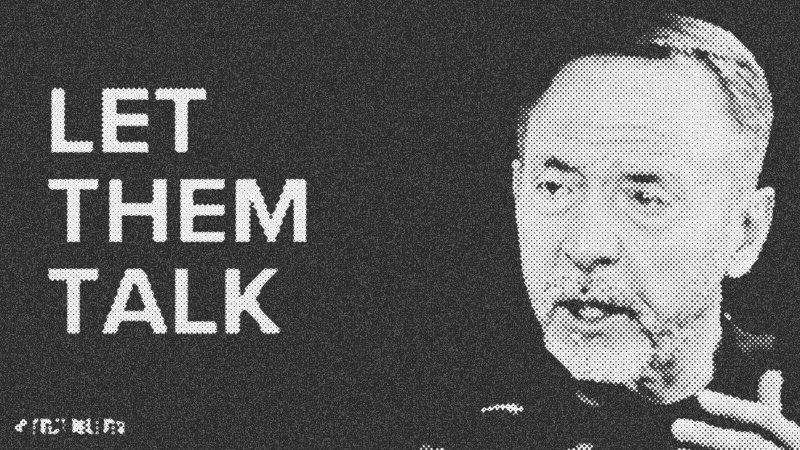
Every single day, founders, builders, and executives enter high-stakes rooms thinking they are playing a chess match. They prepare spreadsheets, write scripts, and polish their arguments. They believe negotiation is a battle of intellects where the loudest voice or the most convincing slide deck wins. It is a massive, expensive delusion. In reality, most business leaders are completely blind to the fact that they are negotiating against their own internal dialogue rather than collaborating with the human being sitting across from them.
Shaan Puri sat down on My First Million to dismantle this exact problem, bringing in legendary former FBI lead international hostage negotiator Chris Voss to expose the self-sabotaging habits that cost entrepreneurs millions. We treat business transactions like war zones, trying to force the other side into a corner. We want to hear the word "yes" so badly that we build high-pressure scenarios that trigger instant defensiveness. When you try to corner an investor, an employee, or a customer, they do not commit. They run. If you want to build a scalable, highly disruptive business, you must throw out the old cutthroat playbook and learn how to run directly into the friction points of human psychology.
Why Your Natural Listening Habits are Actively Sabotaging You
The most difficult part of communication is not what you say. It is how you listen. Most professionals believe they are excellent listeners when they are actually just waiting for their turn to speak. Voss identifies this as the "hijack point." It occurs when the other person is talking, and you feel an irresistible urge to jump in and redirect the flow.
This hijack manifests in two distinct, highly destructive ways:
The Urge to Correct
Humans possess an almost uncontrollable biological drive to correct errors. If someone states a fact or an opinion that you disagree with, your brain screams at you to set the record straight. Master negotiators actually weaponize this exact weakness. They will deliberately say something incorrect because they know you cannot resist the urge to correct them with the truth. By satisfying your ego in that moment of correction, you will gladly hand over proprietary information that you never intended to share.
Story Stealing and the Fallacy of Common Ground
When the other party shares a personal experience, our instinct is to scream, "Oh my god, the exact same thing happened to me!" We think we are building a bridge. We think we are establishing rapport. This is a complete illusion. This is "story stealing." While you feel a chemical rush from sharing your own memory, the other person feels squashed and dismissed. You essentially told them that your story is better, your experience is more important, and their moment in the spotlight is over.
To become a category-defining builder, you have to let go of the need to be the main character in every conversation. You have to listen through the discomfort of the hijack moment. Only then do you create a space where the other person actually feels heard.
The Tactical Toolkit for High-Growth Transactions
If you want to step up from mediocre deals to elite collaboration, you need to replace aggressive pressure tactics with high-performance emotional tools. Trust is the ultimate currency of business growth, and you build it through tactical empathy.
Labeling the Reality
Do not ask lazy, open-ended questions like "How are you doing today?" They produce robotic, useless answers. Instead, make direct, quiet observations about the other person’s state. If a client looks stressed, do not ignore it or try to cheer them up with toxic positivity. Look them in the eye and say, "It looks like you've had a tough day." If they seem completely calm, say, "You seem centered." This simple observation acts as an instant relief valve. It forces the other person to lower their guard because they recognize that you are paying attention to their actual reality.
Driving for No
We are trained to chase the word "yes." Sales managers preach it. Copywriters obsess over it. But chasing "yes" makes people feel cornered. A "yes" requires commitment, and commitment triggers fear. A "no," however, offers protection and safety. When you rephrase your questions to allow the other side to say "no," you instantly remove the pressure. Instead of asking, "Do you want to talk about the proposal?" ask, "Is it ridiculous for us to talk about the proposal right now?" By answering "No, it's not ridiculous," they feel completely in control of the conversation.
Taking Control of the Exit
Most negotiations fail because of how they end. When you feel a deal slipping away or when the other side tries to rush off the phone, your instinct is to let them go. The key to gaining control of the interaction is to extend the final moments. If they say they have to run, find a way to keep them engaged for just five to ten seconds longer. Be the one who officially closes the call. The final impression is the one that sticks. If you leave them feeling respected, valued, and calm in the final seconds of a call, that emotion will dictate how they behave during the next step of the deal.
The Lethal Lie of Leverage
We need to have a serious talk about "leverage." Too many startup founders think that negotiation is about holding the bigger stick. They look for ways to squeeze their vendors, press their hires, or force their partners into compliance. This is a massive mistake. Using leverage is a clear signal that you are a B-level operator.
Leverage is fundamentally the ability to inflict harm. If your entire strategy relies on your capacity to hurt the other side, you will never build a high-trust, long-term relationship. When you use leverage to secure a deal, the other side will immediately resent you. They will agree to your terms because they have to, but they will actively look for ways to watch you fail. The moment a problem arises during execution, they will keep their mouth shut. They will let the landmine go off.
True growth occurs when the other side willingly shares proprietary information that they are hiding from everyone else. They will never give you that information if they perceive you as a threat. By removing yourself as a threat and focusing on predictability, you create an environment where the other side brings you the solutions to your biggest problems.
Ignite Your Market by Listening First
Stop trying to win the argument. The biggest bottleneck to your company's growth is your own desperate need to be understood. You want the world to know how smart your product is, how fast your team is scaling, and why your vision is correct. But the moment you make the conversation about your need for validation, you lose.
Flip the script. Let the other side go first. Let them exhaust their arguments, their fears, and their demands. When you make them feel thoroughly understood, you trigger a chemical response in their brain. The release of oxytocin and serotonin makes them more honest, less demanding, and highly collaborative. You do not build a massive, disruptive enterprise by crushing your opponents. You build it by creating an army of partners who want to see you win. Find the friction, understand the human across the table, and build deals that compound over time.
- Chris Voss
- 33%· people
- My First Million
- 33%· podcasts
- Shaan Puri
- 33%· people
5 Lessons in Business Negotiation from an FBI Hostage Negotiator
WatchMy First Million // 58:25

two guys, talking about business. we've done it (sold our companies), and now we talk about new ideas, opportunities, and investments. hosted by Shaan Puri & Sam Parr -- produced by Hubspot. sometimes we bring on guests ranging from billionaires to stay at home moms who've got side hustles that are bringing in $10k a month. we like to have fun, and talk about business stuff.