HMD Skyline Review: The Mid-Ranger Proving Repairability and Qi2 Aren't Just for Enthusiasts
A Nostalgic Return to Practicality
The HMD Skyline arrives as a spiritual successor to the Nokia Lumia series, blending iconic design with modern utility. While HMD Global might not have the marketing reach of tech giants, this device serves as a functional protest against the trend of disposable, sealed-off smartphones. It targets a specific pain point: the high cost and complexity of modern hardware maintenance.
The Repairability Masterclass
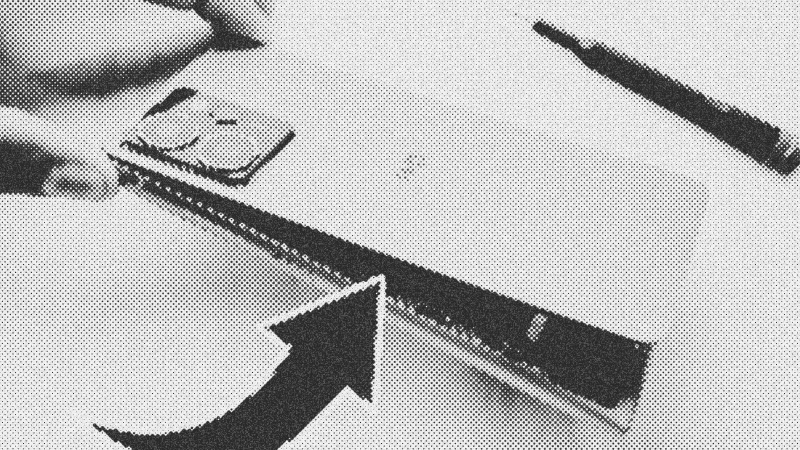
Repairability is the headline feature here. By removing a single screw, users can access the internal components to replace the battery, screen, or charging port. Through a partnership with iFixit, HMD offers affordable replacement parts, like a display for $95. This approach challenges the narrative from Apple Inc., which often prioritizes tight integration over user-led maintenance. The Skyline maintains an IP54 rating, proving that accessible internals don't have to sacrifice basic environmental protection.
The Android Qi2 Pioneer
Surprisingly, the Skyline is the first non-iPhone to fully embrace Qi2 with internal magnets. While Samsung and OnePlus rely on magnetic cases to mimic MagSafe functionality, HMD built the hardware directly into the chassis. This allows seamless alignment with wireless chargers and compatibility with a vast ecosystem of magnetic accessories. It’s a low-cost inclusion that adds massive practical value, making it baffling why major flagships continue to omit it.
Performance and Value Analysis
At $500, the Skyline is a mid-range contender. The Snapdragon 7s Gen 2 delivers stable performance, though the 144Hz display occasionally suffers from frame drops during heavy use. The camera system, featuring a 108MP primary sensor, produces passable shots in daylight but struggles with soft details on the ultra-wide lens. One significant drawback is the subpar vibration motor, which lacks the haptic precision found in competitors. However, the addition of a microSD slot and a customizable physical button—similar to the Action Button—offsets these minor hardware compromises for most users.
Final Verdict
The HMD Skyline isn't a flagship killer, but it is a trendsetter. It demonstrates that repairability and magnetic charging are viable, cost-effective features that belong in every phone. If you value longevity and practical innovation over raw processing power, the Skyline is a compelling choice that deserves your attention.
- Apple Inc.
- 8%· companies
- Fairphone
- 8%· products
- HMD Global
- 8%· companies
- HMD Skyline
- 8%· products
- iFixit
- 8%· companies
- Other topics
- 62%
Every Phone Should Copy This!
WatchMarques Brownlee // 9:22

MKBHD: Quality Tech Videos | YouTuber | Geek | Consumer Electronics | Tech Head | Internet Personality! [email protected] NYC