Digital Resilience: Why Your Online Habits Are Your Strongest Defense
The Silent Economy of Cyber Exploitation
Most people view cybersecurity as a niche IT problem, something involving hooded figures in dark rooms. In reality, it is a global economic powerhouse. The cybercrime economy currently stands as the third largest in the world, trailing only the United States and China. If it were a nation-state, its GDP would dwarf that of Germany and Japan combined. This massive scale exists because the modern digital landscape has turned everyday individuals into high-value targets. Every click, every reused password, and every piece of personal data shared online contributes to a vast digital footprint that is being systematically harvested.
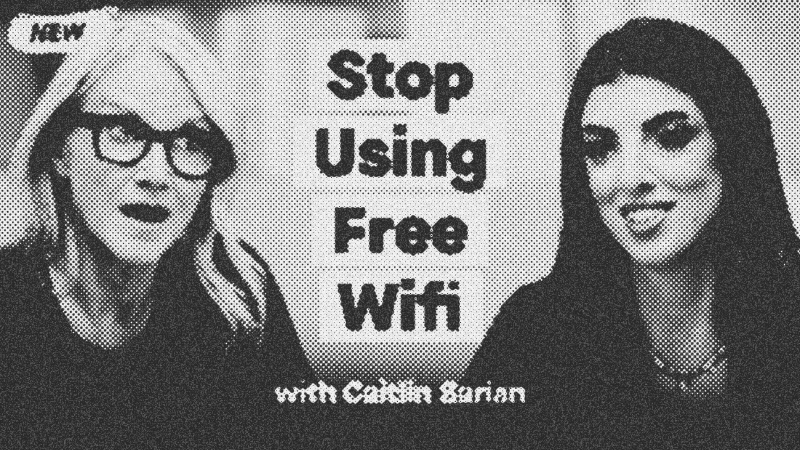
Caitlyn Sarian, an award-winning cybersecurity expert, describes cybersecurity not as a technical skill but as a fundamental life routine. Just as we were taught to wear seatbelts or brush our teeth, we must learn to manage our digital hygiene. The vulnerability we face today stems from a lack of foundational education. We are handed sophisticated devices before we can speak, yet we are rarely taught the rules of the digital road. This gap creates an environment where scams are no longer a matter of if, but a matter of when. To navigate this safely, we must shift our mindset from passive users to active protectors of our digital identities.
The Illusion of Privacy and the Digital Footprint
A common misconception in personal growth is that our digital actions are ephemeral. We assume that if we use incognito mode or delete a post, the record vanishes. This is a dangerous myth. Your digital footprint is a permanent, ever-expanding ledger of your life. Even incognito mode only prevents your local browser from saving cookies and history; the websites you visit and the trackers embedded in them still record your presence. Every app used, every game played, and every account created builds a profile that can be sold for marketing or used for exploitation.
This harvesting of data is often the fuel for social engineering. Scammers use Open Source Intelligence (OSINT) to piece together a narrative of your life. They don't need to be master hackers; they just need to be diligent researchers. By scanning wedding registries, social media tags, and public news articles, they can identify your pets, your siblings, and your current location. This information is then used to craft highly convincing scams that trigger an emotional reaction, such as a fake call from a police agency or an urgent request from a "stranded" family member. Recognizing that your information is already likely in the public domain is the first step in building resilience against these psychological tactics.
Rethinking Identity: The Power of Aliases
One of the most radical yet effective strategies for digital protection is the use of an alternate persona. We are conditioned to be truthful online, providing our real names, birthdays, and phone numbers to every movie theater or spa that requests them. However, we must ask ourselves: why do they need this data? In many cases, they don't. Caitlyn Sarian advocates for the use of a digital alias. This involves using a secondary name, a different birth date, and a separate email address for non-essential sign-ups.
Limiting the distribution of your real identity makes it significantly harder for scammers to build a cohesive profile on you. Tools like Google Voice allow you to generate secondary phone numbers that forward to your primary device without exposing your real line. Similarly, using a dedicated email address for newsletters and account registrations prevents your primary inbox from being flooded with phishing attempts. This approach isn't about being deceptive; it's about exercising your right to privacy and minimizing the surface area available for an attack.
The Psychology of the Click and the 9-Second Rule
Scams work because they bypass our rational thinking and target our emotional centers. Whether it is a message from Venmo claiming you were sent money by mistake or a frantic email from a colleague, the goal is always to create a sense of urgency. This urgency causes us to click links without thinking, which is exactly what the attacker wants. To combat this, experts suggest a psychological pause: the 9-second rule. Taking just nine seconds to breathe and evaluate a request can break the emotional spell of a scam.
During these nine seconds, you should scrutinize the sender's email address and hover over any links to see their true destination. Phishing links often lead to URLs that look almost identical to the real ones, with subtle misspellings or different domains. Additionally, remember that any request for payment via cryptocurrency or wire transfer is an immediate red flag. By slowing down our response time, we regain control of our decisions and move from a state of panic to a state of awareness. Resilience in the digital age is as much about emotional regulation as it is about technical settings.
Securing the Family Tree: Protecting Seniors and Children
Digital safety is a collective responsibility, particularly for those who are most vulnerable. Seniors are often targeted by high-pressure phone scams, such as the "grandparent scam" where a caller pretends to be a relative in trouble. To protect elderly family members, the best defense is open communication and structural barriers. Freezing their credit with the three major bureaus ensures that no one can open new accounts in their name, effectively neutralizing identity theft. Furthermore, establishing a "safe word"—a unique, private phrase known only to the family—can help a senior verify the identity of a caller even if the attacker is using AI voice-cloning technology.
For children, the risks are different but equally severe. Extortion scams targeting teenagers are on the rise, often starting with a seemingly harmless interaction on gaming platforms like Roblox or social apps like Instagram. Parents must be proactive by setting accounts to private, blocking unsolicited messages, and teaching children that nothing on the internet truly disappears. The goal is to create a culture where children feel safe coming to their parents when something feels wrong, rather than hiding it out of shame or fear. By sitting down together to adjust privacy settings on every app, you turn cybersecurity into a shared family value.
Moving Toward a Routine of Digital Hygiene
Achieving your potential in the modern world requires a secure foundation. You cannot focus on growth and resilience if you are constantly reacting to financial or identity crises. Cybersecurity should be viewed as a wellness routine—a set of simple, repeatable actions that preserve your peace of mind. The most essential steps include using a password manager to ensure unique login credentials for every site, enabling multi-factor authentication, and allowing automatic software updates to patch vulnerabilities.
Transitioning to these habits may feel overwhelming initially, but they are "one-and-done" actions that pay dividends for years. Whether it is scrubbing your data from people-search websites or covering your laptop camera, these steps reinforce the idea that you are in control of your digital life. Your greatest power lies in recognizing that while you cannot control the existence of threats, you have absolute authority over how you protect yourself against them. Growth happens one intentional step at a time, and securing your digital world is a vital step on that journey.
- Caitlyn Sarian
- 13%· people
- AI
- 6%· products
- Experian
- 6%· organizations
- FBI
- 6%· organizations
- Google Voice
- 6%· products
- Other topics
- 63%
This Conversation Could Save You Thousands of Dollars
WatchMel Robbins // 1:13:43

Mel Robbins is the creator and host of The Mel Robbins Podcast, one of the most successful podcasts in the world, and a #1 New York Times bestselling author. She has 40M followers and is known globally for practical tools on mindset and behavior change. The Wall Street Journal calls her a “billion-view podcaster,” and TIME says she gives millions “a reason to believe in themselves.” Her books are published in 63 languages. The Let Them Theory is a #1 bestseller across every major list and a top-selling book of 2025 with more than 8M copies sold. She also wrote The 5 Second Rule and The High 5 Habit, and has seven #1 Audible releases. Her company, 143 Studios, produces award-winning podcasts, books, courses, and events for partners like Starbucks, Ulta Beauty, JP Morgan Chase, LinkedIn, and Audible. She has been honored by TIME 100 Digital Voices, Forbes 50 Over 50, USA Today, Apple Podcasts, Spotify, and The Hollywood Reporter.