Armstrong saves £48,000 repairing a Porsche GT3 RS the factory blacklisted
A pristine chassis hiding a sabotaged flat-six power plant
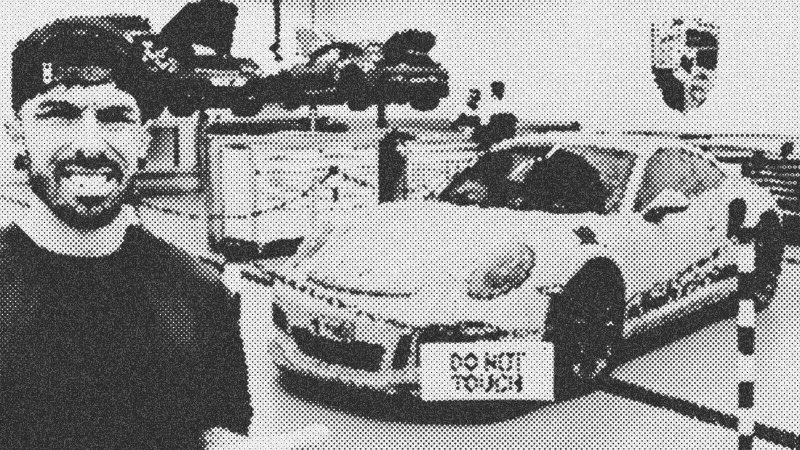
Walk around a modern Porsche 911 GT3 RS and you are looking at the pinnacle of naturally aspirated road-car engineering. The aggression of the aerodynamics, the carbon-fiber construction, and the wide-track stance tell you everything you need to know about its track intentions. But under the engine lid of this particular 991-generation model lay a completely dormant, four-liter flat-six engine. The car was picked up at a repossession auction for a fraction of its market value. The bodywork was immaculate, protected by a full layer of paint protection film, and the interior looked completely untouched. Yet, this high-performance machine was nothing more than an expensive paperweight because Porsche had officially blacklisted the vehicle, voiding its manufacturer warranty and leaving the previous owner stranded with a massive repair estimate.
For a hands-on mechanic, a vehicle like this is both a dream and a technical minefield. You must respect the engineering before you turn a single bolt. When Mat Armstrong brought the car into the workshop, the first visual inspection on the ramp raised more questions than answers. The engine bay showed signs of wetness around the sump plugs. When we reached up to touch those plugs, they spun easily under finger pressure. Both sump plugs were left completely loose. Someone had been inside this engine before, and they had not bothered to torque the fasteners back to factory specifications. Draining what little oil remained in the pan yielded next to nothing. No metal fragments came out in the initial drain, but the lack of fluid suggested a catastrophic failure or a incomplete assembly job left behind by the last technician who touched it.
Chasing sparks and missing fuses on a dead-end diagnostic path
When you try to crank an engine that has been sitting dormant, you must establish the basics: air, fuel, spark, and compression. The starter motor would turn, but the engine refused to catch. We pulled the rear wheels to gain access to the spark plugs. Working systematically, we pulled all six plugs from the cylinders. On the right bank, cylinders four, five, and six looked wet but structurally intact. On the left bank, handled by Leon, the plugs showed similar wetness but no signs of physical impact from a broken valve or a piston crown. A quick camera probe down the plug bores revealed clean piston tops. There were no deep scores on the cylinder walls, no signs of mechanical detonation, and no pooling debris. This was highly unusual for an engine that had allegedly blown up.
To eliminate compression resistance, we threw a new, genuine battery into the tray. High-performance German electronics are notoriously sensitive to voltage drops, and attempting to diagnose timing issues on a weak battery is a fool's errand. With the plugs out, the engine cranked over smoothly, showing no structural binding in the rotating assembly. But putting the plugs back in brought us right back to a dead crank. That was when we noticed a single, yellow twenty-amp fuse sitting on the passenger seat. Checking the fuse assignment diagram revealed that slot B5 on the fuse panel was empty. B5 supplies power directly to the fuel pump relay. Someone had intentionally pulled the fuse to prevent the fuel pump from priming. We slotted the fuse back into its home, turned the key, and the flat-six roared into life with a deafening, open-header scream. But the victory was short-lived. The engine was shaking violently, the check engine light was flashing on the cluster, and the smell of raw, unburnt high-octane fuel filled the workshop.
Stripping the block reveals a top-end stripped of its vital lifters
We plugged in the diagnostic tool to read the live error codes. The scan tool painted a grim picture of the right bank. Cylinders four, five, and six were registering persistent misfires. The intake camshaft position sensor was throwing a short-circuit to ground fault. To diagnose the mechanical integrity of the misfiring bank, we ran a compression test. Cylinder six registered a dismal seventy-five PSI. Cylinder five was even lower at sixty-five PSI. Cylinder four suddenly spiked up to a healthy one hundred and twenty-five PSI. These inconsistent numbers pointed to a severe valvetrain issue. We rigged up a spark test by grounding the coil packs against the chassis. The spark plugs were firing, but only after the engine had already caught on the opposing bank. The right-hand camshafts were simply not communicating with the engine control unit.
To find out why, the entire flat-six powertrain had to come out of the chassis. These race-bred engines are designed to drop relatively quickly, provided you disconnect the subframe sections, fuel lines, coolant paths, and suspension links in the proper sequence. Once the engine was secured on the hydraulic lift, we stripped away the exhaust headers to gain access to the valve covers. We slid the specialized camshaft holding tools into place and removed the rocker cover. What we saw next was shocking. The valve guides and springs were completely bare. The finger followers—the small metal rocker arms that sit between the camshaft lobes and the valve stems—were entirely missing on the intake side. The camshaft lobes were spinning in mid-air, never making contact with the valves. This explained the compression readings; the valves were permanently shut, sealing the combustion chamber completely. On these high-revving flat-six engines, the finger followers are known to wear prematurely due to material issues, but someone had simply removed them and closed the engine back up without installing replacements.
The devastating twenty-two degree deviation that forced a second teardown
We also noticed a flat spot worn directly into the lobes of the intake camshaft. The metal had degraded, losing its rounded profile and creating a flat edge that would prevent the valves from opening smoothly even if the lifters were present. This was the classic wear pattern that had caused the original owner to seek a warranty claim. We spent over five thousand pounds on brand-new intake camshafts, fresh finger followers, upgraded gaskets, and high-strength fasteners. We timed the engine using the factory alignment forks, torqued the cam variators on the ends of the shafts to thirty Newton-meters plus the additional forty-five degrees of stretch, and verified top dead center on the crankshaft.
With everything sealed back up with fresh fluids, we reinstalled the massive flat-six engine back into the chassis. We turned the key, expecting a flawless idle. Instead, the engine started misfiring on cylinders four and six once again. The diagnostic software showed that the computer was trying to deviate the timing on bank two by a massive twenty-two degrees to compensate for a mechanical mismatch. The factory limit for variable valve timing adjustment is plus or minus six degrees. At twenty-two degrees, the ECU immediately threw the car into limp mode to prevent the valves from kissing the pistons. We swapped coil packs between cylinders four and five, but the misfire stayed locked on cylinders four and six. The timing was mechanically out, meaning the engine had to be pulled out of the car for a second time. We verified the physical timing marks again with the locking pins, and everything lined up perfectly. We were missing something fundamental.
Unmasking the factory technicians who threw the variators back in backward
That night, we reviewed the high-definition footage of the teardown process, looking for any minute detail that had escaped our attention. We noticed something strange about the cam variators—the hydraulic sprocket units that bolted onto the ends of the camshafts to adjust valve timing on the fly. One variator was noticeably thicker than the other. On the healthy left bank of the engine, the thicker variator was bolted to the intake camshaft, while the thinner one sat on the exhaust camshaft. But when we looked at the troublesome right bank, the variators were reversed: the thin unit was on the intake, and the thick unit was on the exhaust.
We had not swapped them during our rebuild because we had removed the camshafts one by one, leaving the variators in their original positions. This meant the mistake had been made before we ever touched the car. When the previous owner brought the vehicle to the dealership with a top-end rattle, the factory technicians had stripped the engine down, diagnosed the worn camshafts, and then received the order to deny the warranty claim. Instead of carefully reassembling the high-performance engine, they had carelessly thrown the components back together to clear the lift. They swapped the variators on the right bank, pulled the fuel pump fuse, left the sump plugs loose, and returned a sabotaged, non-running car to the customer. We dropped the engine for a third time, swapped the variators into their correct positions, locked the timing down, and bolted the power plant back into the chassis. This time, the engine fired up instantly, settling into a perfectly smooth, mechanical idle with zero fault codes on the dash.
Reclaiming the factory seal under the shadow of a mileage blacklist
With the flat-six running flawlessly, we faced one last hurdle: getting the car past the official one hundred and eleven point inspection to reinstate its factory warranty. We loaded the car up and drove it toward the dealership. But halfway there, the cabin filled with steam as a major coolant hose popped off its fitting, dumping fluid across the hot engine bay. We trailered the car back, vacuum-filled the cooling system, secured the retaining clip on the front radiator pipe, and completed the journey.
At the dealership, the car went up on the official diagnostic racks. The technicians found no engine faults. However, the warranty could not be reinstated immediately due to a strict ninety-day ownership rule designed to prevent automotive traders from flipping salvaged cars with active factory backing. Additionally, the inspection flagged a few minor mechanical issues: rusty brake rotors from sitting idle, a slight play in a front wheel bearing, and a rattle from the yellow-wrapped roll cage where the bolts had been installed backward during a previous interior modification.
The most controversial aspect of the car's history was the mileage discrepancy. Porsche had originally voided the warranty because their internal computers flagged that the engine had run for thirty hours while averaging only 1.4 miles per hour. They suspected a mileage blocker had been installed to freeze the odometer. Running a history check through carVertical confirmed that the vehicle had registered only six hundred miles over a twelve-month period. However, as new owners of a fully repaired, mechanically verified car, we now have a strong case to dispute the previous blacklisting. By purchasing the broken vehicle for eighty-seven thousand pounds and spending five thousand pounds on genuine parts, we successfully rebuilt a high-performance track machine worth over one hundred and thirty-five thousand pounds, beating the factory technicians at their own game.
- carVertical
- 20%· products
- Leon
- 20%· people
- Mat Armstrong
- 20%· people
- Porsche
- 20%· companies
- Porsche 911 GT3 RS
- 20%· products
I BOUGHT A BROKEN GT3RS THAT PORSCHE REFUSED TO FIX
WatchMat Armstrong // 1:20:49

I am Mat Armstrong from Leicester UK. Follow me as i build & modify cars. I dont really specialise in any manufacture of car, neither am i professionally trained, just a regular guy winging it as i go along restoring each car with my own personal touch (even if that means getting the angle grinder out) I hope my content brings a smile to your face and maybe inspires you to get on the spanners yourself. There would be no point in me listing what car i own at the moment as i switch and change so often, but you are likely to see Audi's, Mercedes, VW, Maserati's, Bentleys & more. I do like German engineering but im not scared to give the others a try 😆 At the end of the day im here for a good time & never take things too seriously so enjoy!! Mat Armstrong ⬇️ Im always active on my other social accounts aswell which are below ⬇️