Laravel AI SDK: Bringing First-Party Polish to LLM Integration
A New Standard for Intelligent Syntax
The Laravel ecosystem has always thrived on the philosophy of developer happiness, transforming complex backend tasks into expressive, readable code. With the introduction of the Laravel AI SDK, that same design aesthetic now reaches into the messy world of Large Language Models. For developers who have struggled with fragmented libraries or inconsistent API wrappers, this first-party solution represents a major shift toward standardized, robust AI implementation.
The Power of Encapsulated Agent Classes
While many demos focus on flashy text generation, the real strength of this SDK lies in its structural organization. The introduction of Agent classes provides a dedicated home for AI logic. Instead of scattering prompts and configuration throughout controllers or services, developers can now encapsulate specific behaviors within discrete classes. This organization allows for per-agent customization, ensuring that a translation agent and a data-summarization agent maintain separate toolsets and instructions.
Tool Usage and Customization
Beyond simple text completion, the SDK focuses heavily on functional utility. The ability to define tool usage directly within an agent class means the AI can interact with your application’s existing logic in a controlled, type-safe manner. This level of thoughtfulness mirrors the core Laravel experience: providing the underlying infrastructure so developers can focus on building unique features rather than fighting the plumbing of various AI providers.
Practical Application in the Real World
For creators like Ian Landsman, the SDK arrives at a critical juncture for projects like Outro. By waiting for a first-party implementation, developers often find they can write significantly less code while achieving better results. The seamless integration with other ecosystem tools like Livewire ensures that the barrier to entry for building complex, AI-driven applications has never been lower. As the platform simmers and matures, the requirement for manual, boilerplate-heavy AI code continues to evaporate.
- Helpspot
- 13%· products
- Ian Landsman
- 13%· people
- Laravel AI SDK
- 13%· products
- Leah Thompson
- 13%· people
- Livewire
- 13%· products
- Other topics
- 38%
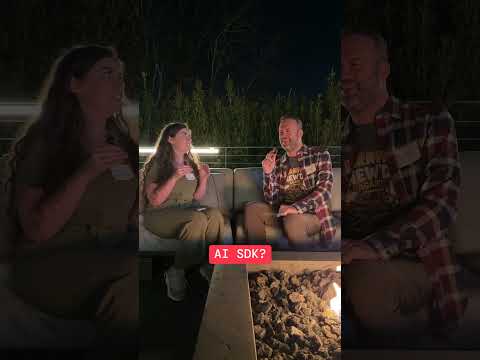
Ian Landsman – Laravel AI SDK, Built with Care
WatchLaravel // 3:00

The official YouTube channel of Laravel, the clean stack for Artisans and agents. We will update you on what's new in the world of Laravel, from the framework to our products Cloud, Forge, and Nightwatch.