Stop waiting: Laravel projects fail once they fall three versions behind
Upgrading a legacy codebase often feels like a chore, but it is a critical health check for any application. When you are just one version behind, the process remains a breeze. However, once you cross the threshold of three or more major versions, you enter a danger zone where simple updates transform into expensive architectural overhauls.
The reliable path of incremental updates
For projects running Laravel 9 or Laravel 8, the transition to Laravel 10 is straightforward. You can utilize automated tools like Laravel Shift or follow the official documentation to adjust your code. The real challenge arises when you attempt to jump multiple versions simultaneously. There is no direct map from version 7 to 10. The most reliable strategy requires a version-by-version approach: upgrade, fix bugs, and repeat. It sounds tedious, but it prevents the massive compounding of breaking changes.
Dependency debt and the package trap
The core framework is rarely the problem during an upgrade; the real friction comes from the composer.json file. Third-party dependencies often lag or face abandonment. If a package doesn't support the latest framework version, you have three options: contribute a pull request, fork the repository yourself, or find a modern alternative. This is the perfect moment to replace outdated tools with newer industry standards like Spatie Media Library or Laravel Spark.
Rebuilding as a strategic alternative
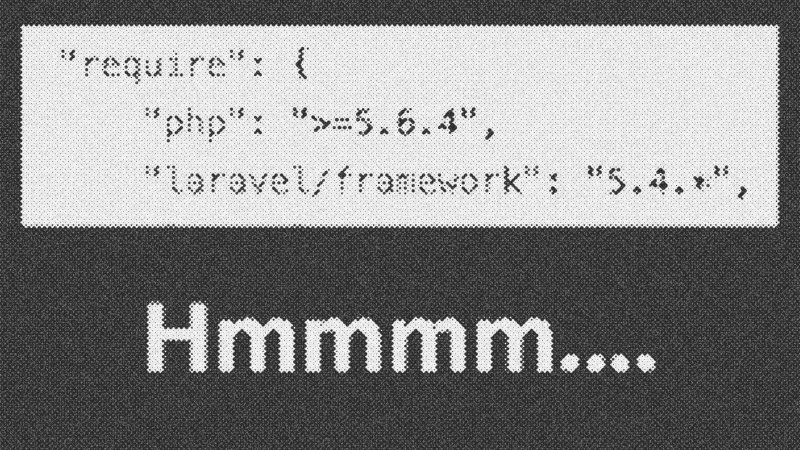
When facing an ancient Laravel 5 project, incremental upgrades might cost more than a total rewrite. Recreating the project from scratch allows you to shed technical debt and align the code with current business goals. By adopting Test-Driven Development (TDD), you can write feature tests for existing routes in the old system and ensure they pass in the new Laravel 10 environment, ensuring a seamless transition for users.
- Laravel 10
- 22%· software
- Laravel 5
- 11%· software
- Laravel 8
- 11%· software
- Laravel 9
- 11%· software
- Laravel Shift
- 11%· products
- Other topics
- 33%
How to Upgrade Older Projects to Laravel 10
WatchLaravel Daily // 7:52
